The Rise of Flexible and Modular Workspaces
Workspaces are transforming to meet the demands of modern professionals. Traditional office setups with fixed desks and rigid layouts are being replaced by flexible and modular designs. These innovative spaces prioritize adaptability, employee well-being, and efficient use of space. They provide environments that accommodate diverse workstyles, from quiet zones for focus to collaborative areas for brainstorming.
In this post, we'll take a look at:
In our experience, flexible and modular workspaces not only align with the needs of hybrid work models but also enhance productivity and satisfaction among employees. Modular furniture, meeting pods, and sustainable design elements are at the forefront of this movement, offering scalable solutions for businesses of all sizes.
This article explores the key benefits, design principles, and future trends shaping flexible and modular workspaces. By understanding how these elements come together, businesses can create spaces that empower teams, support creativity, and adapt to evolving demands.
Understanding Flexible and Modular Workspaces
What Are Flexible and Modular Workspaces?
Flexible and modular workspaces are designed to adapt to the diverse needs of modern work environments. Flexibility focuses on creating spaces that cater to various activities, such as focused work, collaboration, and relaxation. Modularity emphasizes reconfigurable furniture and layouts, enabling businesses to adjust their office setups without significant costs or downtime.
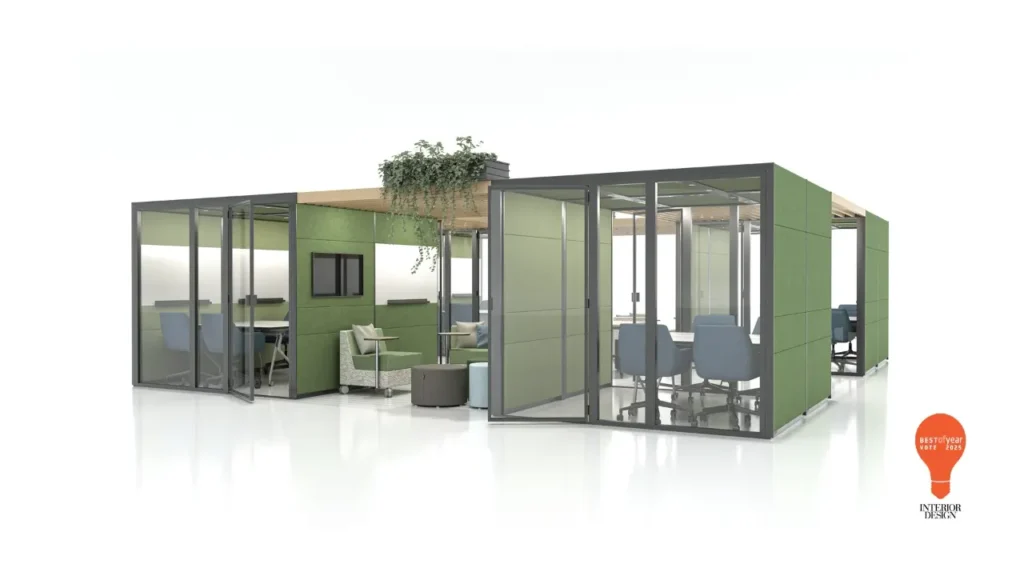
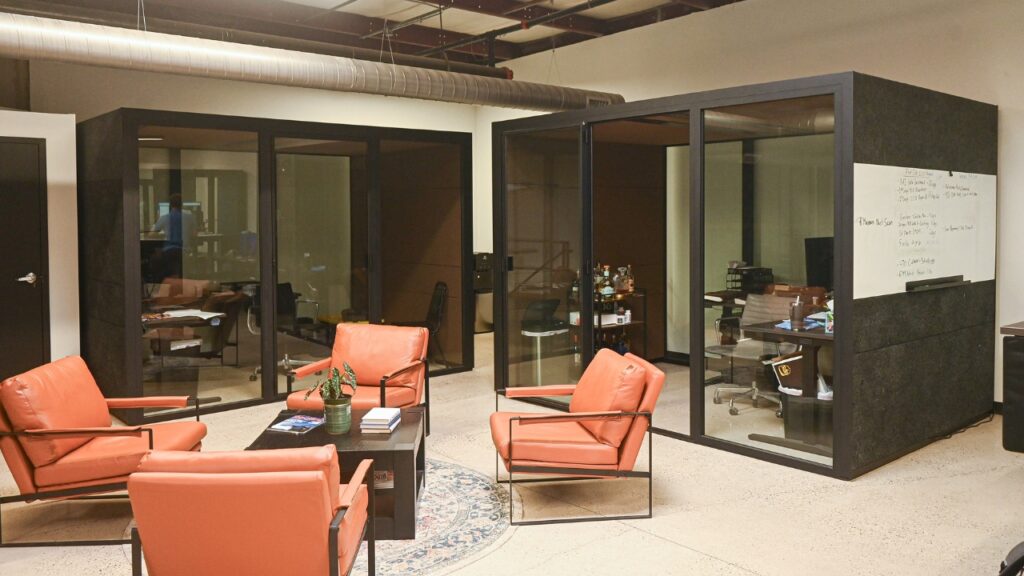
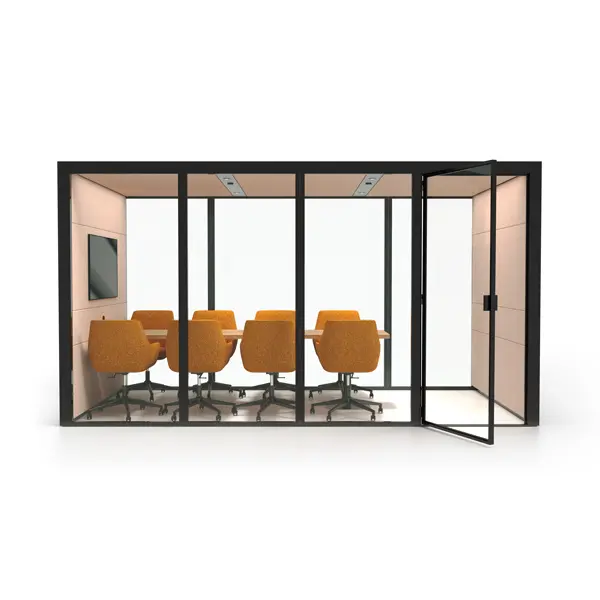
In our impression, these workspaces allow organizations to accommodate hybrid work models and shifting workforce requirements. Examples include hot desks for shared use, acoustic pods for privacy, and modular meeting spaces that can be customized based on the company’s personnel and work type, and easily reconfigured as the company’s needs change.
By combining flexibility and modularity, businesses can create environments that promote productivity, innovation, and a sense of belonging among employees. These spaces prioritize functionality while ensuring that resources are used efficiently, supporting both employee satisfaction and organizational goals.
Why Businesses Are Embracing Flexible and Modular Designs
Enhanced Productivity
Flexible and modular workspaces empower employees by offering environments tailored to their tasks. These spaces ensure that all employees are equally involved in their tasks, with quiet zones enhancing focus and collaborative areas fostering teamwork and creativity. According to industry research, employees who have control over their workspace are more likely to be productive and satisfied with their jobs.
A perfect solution for these workspaces are modular meeting pods and adaptable furniture. Playing a critical role in this productivity boost. These features allow teams to create spaces that suit specific projects or meetings, reducing distractions and improving workflow efficiency.
Cost and Office Space Optimization
Flexible designs make it easier for businesses to maximize their office space. Modular furniture, such as stackable seating and reconfigurable desks, allows companies to repurpose areas for various functions without additional investments in infrastructure.
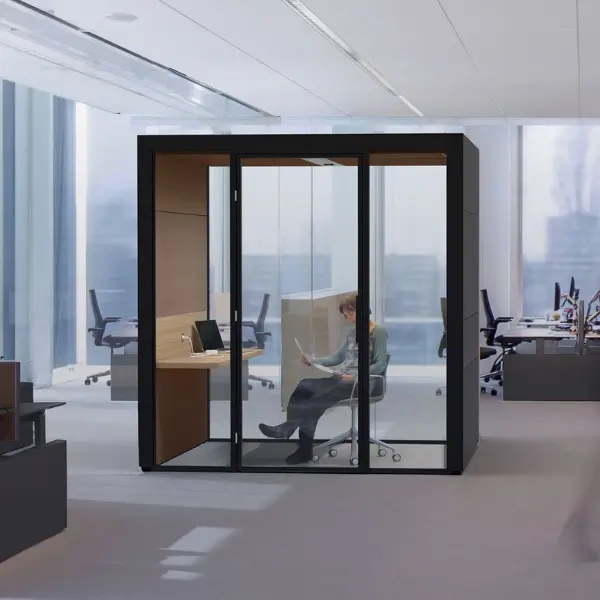
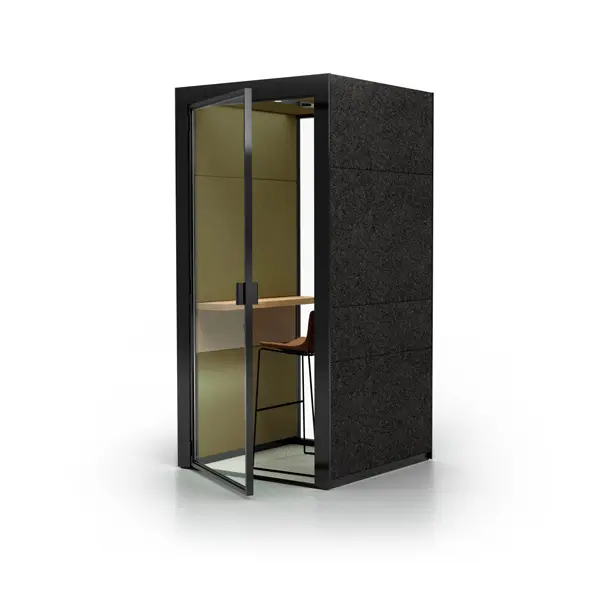
For example, acoustic working pods can transform underutilized office corners into functional spaces for meetings or focused tasks. This adaptability not only saves costs but also ensures that every square foot of the office is used effectively.
Improved Employee Satisfaction
In our impression, workplaces designed with employee needs in mind contribute significantly to job satisfaction. Flexible and modular designs accommodate diverse workstyles, whether employees prefer quiet, independent work or active collaboration.
Features like ergonomic seating, natural lighting, and sustainable materials also enhance comfort and well-being, making employees feel valued and motivated to perform their best.

Designing for Adaptability and Functionality
Modular Furniture and Fixtures
Modular office designs provide unparalleled versatility in adaptable workspaces. Elements such as reconfigurable desks, stackable chairs, and acoustic panels provide unparalleled versatility. These fixtures can be rearranged quickly to suit changing needs, whether for team meetings, individual tasks, or hybrid work setups.
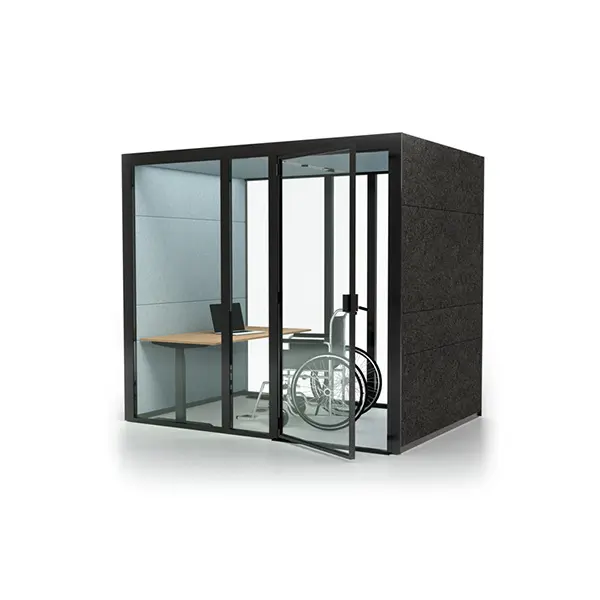
Meeting pods, are excellent examples of modular solutions. These pods create private spaces for focused work or confidential discussions while remaining easy to relocate or repurpose as office needs evolve.
Technology Integration
Modern workspaces thrive on seamless technology integration. Tools like real-time occupancy sensors and smart lighting systems optimize workspace usage and energy efficiency. Integrating such technologies ensures that workspaces remain responsive to user needs, enhancing both productivity and sustainability.
For example, businesses can use occupancy data to determine which areas are underutilized and reconfigure those spaces for better efficiency. Much of the work involved in constructing a modular office is done off-site, meaning that the modules are pre-built in a factory before being transported and assembled at the final location. This data-driven approach not only improves space utilization but also supports decision-making for future office investments.
Sustainability in Design
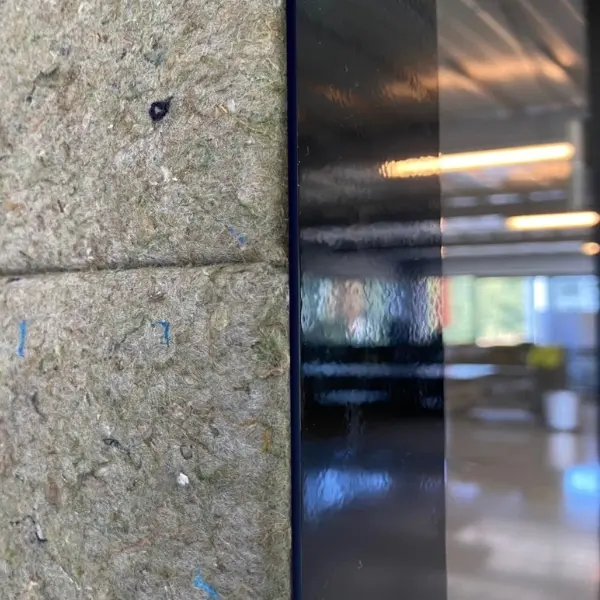
Sustainability is a growing priority for businesses. Modular designs often incorporate eco-friendly materials, aligning with principles of the circular economy. These sustainable approaches reduce environmental impact while creating aesthetically pleasing and functional workspaces.
Features like recycled materials, biodegradable components, and energy-efficient lighting systems contribute to a greener office environment. Ecolution Design products, focus on using sustainable materials to craft pods and fixtures, reflecting a commitment to environmental stewardship.

Supporting Hybrid Work with Flexible and Modular Design
Blending Remote and In-Office Work
Hybrid work models have reshaped the traditional office environment. Flexible and modular workspaces offer the adaptability needed to bridge the gap between remote and in-office work. These designs create environments that cater to diverse needs, providing employees with spaces that support both collaborative tasks and individual focus. Modular office pods can be transferred to a new office location as needed, ensuring flexibility during office moves and catering to evolving workspace requirements.
The use of modular meeting pods and reconfigurable zones is critical for supporting hybrid teams. Pods can serve as private spaces for video calls or brainstorming sessions, while open areas encourage teamwork during in-office days. This adaptability ensures that all employees, whether remote or in-person, feel included and supported.
Promoting Collaboration and Connectivity
Hybrid workspaces prioritize collaboration by integrating technology with spatial design. Tools such as interactive whiteboards, advanced video conferencing setups, and smart room scheduling ensure seamless communication between team members, regardless of their location.
Flexible layouts also make it easy to create collaborative hubs where teams can gather for discussions or problem-solving sessions. These hubs enhance connectivity and foster a sense of belonging, which is essential for maintaining team cohesion in hybrid work setups.
Adapting to Changing Workforce Needs
The workforce is constantly evolving, with employees seeking greater autonomy and work-life balance. Flexible and modular workspaces adapt to these changing needs by offering customizable solutions that cater to varying preferences.
For example, an employee may need a quiet, enclosed space for focus one day and an open, collaborative area the next. Modular designs allow organizations to respond quickly to these shifts, ensuring employees always have access to the resources they need.
Trends Driving the Future of Flexible and Modular Workspaces
Focus on Collaboration and Personalization
The workforce is constantly evolving, with employees seeking greater autonomy and work-life balance. Flexible and modular workspaces adapt to these changing needs by offering customizable solutions that cater to varying preferences.
For example, an employee may need a quiet, enclosed space for focus one day and an open, collaborative area the next. Modular designs allow organizations to respond quickly to these shifts, ensuring employees always have access to the resources they need.
Technology-Driven Workspaces
Technology is at the forefront of evolving office designs. Smart sensors, occupancy tracking, and AI-driven tools are transforming how companies optimize their spaces. These innovations help businesses understand how workspaces are used, allowing them to make informed decisions about layout changes and resource allocation.
Integrating smart technology into flexible and modular workspaces not only improves functionality but also supports sustainability goals. Features like energy-efficient lighting and automated climate control systems reduce environmental impact while enhancing the user experience.
Sustainability as a Core Value
Sustainability will continue to shape workspace design. Businesses are increasingly committed to reducing their carbon footprint by using recycled materials, implementing energy-efficient solutions, and embracing circular economy principles.
Modular workspaces, align with these values by incorporating eco-friendly materials and long-lasting designs. Sustainable practices not only benefit the environment but also resonate with employees and stakeholders who value responsible business practices.
Increased Demand for Flexibility
The demand for adaptable workspaces is expected to grow as businesses navigate an uncertain and dynamic future. Modular office designs provide the perfect solution for adaptable workspaces, allowing organizations to quickly reconfigure spaces to accommodate changes in team sizes, work styles, and business goals.
Ecolution Design’s flexible and modular solutions provide a cost-effective way to future-proof office spaces, ensuring they remain relevant and functional as workplace trends evolve.
Flexible and Modular Workspaces
The rise of flexible and modular workspaces reflects the shifting priorities of modern businesses and employees. These innovative designs offer solutions that balance adaptability, functionality, and sustainability, meeting the demands of hybrid work models and diverse workforce needs.
The integration of modular furniture, acoustic pods, and advanced technology creates environments that enhance productivity, support collaboration, and foster employee satisfaction. Furthermore, the emphasis on sustainable practices aligns with growing environmental awareness, making these spaces not only practical but also forward-thinking.
As businesses continue to evolve, flexible and modular workspaces will remain a cornerstone of office design. By adopting these principles, organizations can create spaces that empower their teams, maximize resources, and adapt to the ever-changing demands of the workplace.