9 Workspace Design Trends to Watch for in 2025
Workspace design is changing rapidly and in 2025, offices will look different. Companies are embracing flexible layouts, hybrid work models, and sustainable furniture. Workers want offices that support comfort and productivity. Designs must also promote collaboration and privacy at the same time. Sustainable practices are now standard in furniture selection. Businesses that adapt early to these trends will attract and keep talented employees. This article highlights key workspace design trends for 2025, guiding you toward creating functional, attractive, and future-ready work environments with innovative solutions.
In this post, we'll take a look at:
Here are 9 Trends to Watch for:
Rise of Hybrid Workspaces
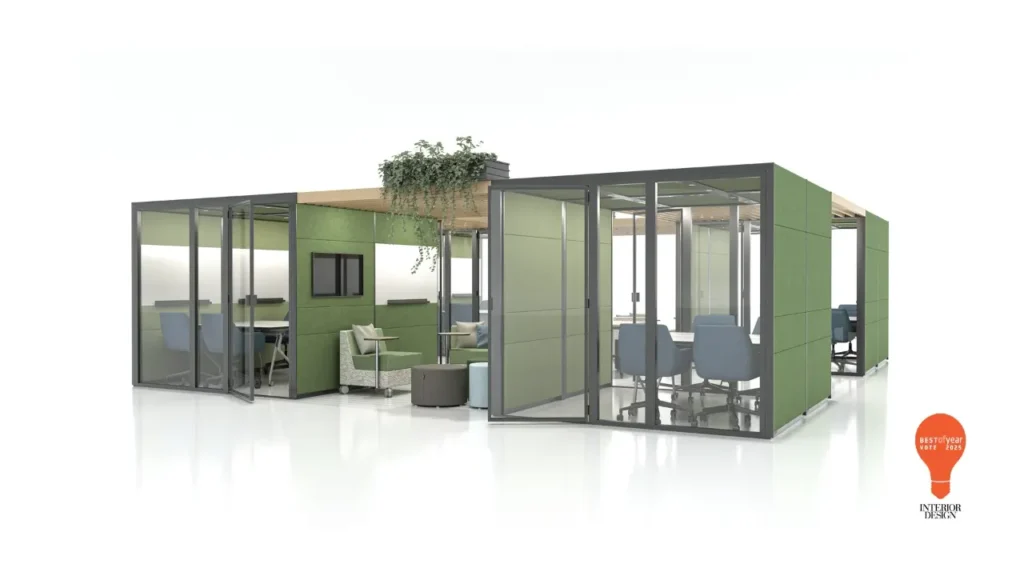
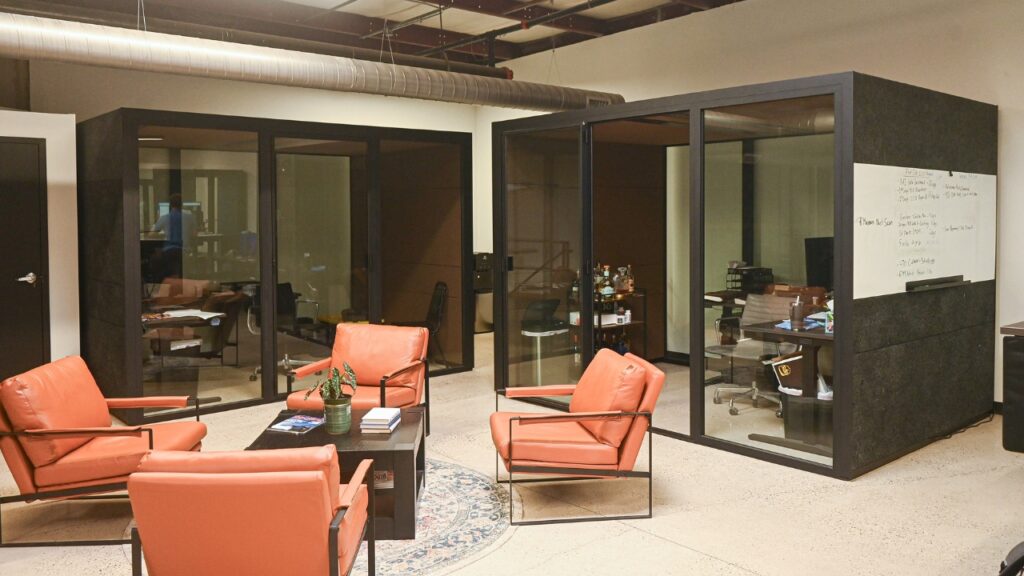
Hybrid workspaces will dominate office trends in 2025 with employees increasingly spliting their time between home and office. Companies are responding by redesigning office layouts with modular furniture and office pods are popular choices. Modular pods provide adaptable, private areas for focused tasks. Hybrid office designs offer flexibility, letting teams collaborate when needed or work quietly when required. These designs also engage employees by giving them control over their work environment, which enhances their overall performance. Businesses using hybrid layouts see improved employee satisfaction and higher productivity levels. Investing now in hybrid-friendly furniture will help your company smoothly transition into the workspace of the future.
Definition and Benefits of Hybrid Workspaces
Dynamic environments combine the best of traditional office spaces with the flexibility of remote work. This innovative approach allows employees to work from anywhere, at any time, while still providing a physical space for collaboration, creativity, and connection. The benefits of hybrid workspaces are manifold. They lead to increased employee satisfaction by offering a better work-life balance, as employees can choose the environment that best suits their tasks. Additionally, hybrid workspaces contribute to enhanced organizational success by fostering a more engaged and productive workforce. Companies that adopt hybrid workspaces can expect to see improvements in both employee well-being and overall business performance.


Inclusive and Accessible Design
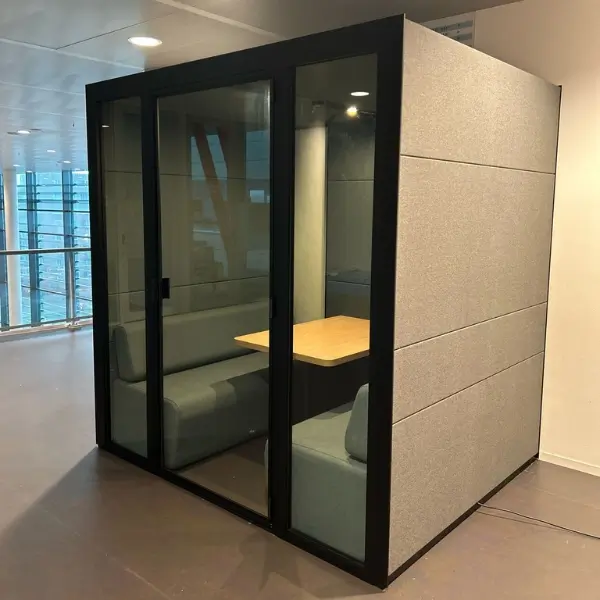
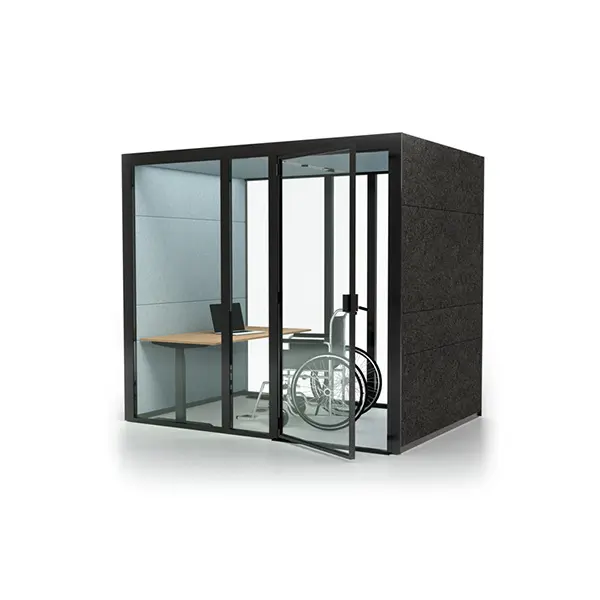
Inclusive office design is a leading trend in 2025. Companies now prioritize spaces that are accessible to everyone, and offices are integrating furniture suitable for various employee needs. Examples include adjustable desks, ergonomic seating, and wheelchair-accessible pods. Workspaces designed for neurodiverse employees are also gaining popularity. Quiet zones, sensory-friendly lighting, and acoustic pods reduce distractions. Access to natural light and comfortable temperature controls are crucial for maintaining a pleasant and healthy work environment. Large windows play a significant role in this, as they enhance health and wellbeing by providing ample natural light, which improves employee productivity and mental health. This design approach helps all employees feel comfortable and productive. Prioritizing inclusive and accessible office layouts will improve employee retention and satisfaction, creating environments where everyone can succeed.
Creating an inclusive workplace requires a thoughtful and intentional approach to design. Office designers should consider the diverse needs of employees, including physical abilities, mental health, and work styles. By incorporating inclusive design elements, organizations can create a workspace that supports employee engagement, satisfaction, and well-being. This includes providing flexible workstations, ensuring access to natural light, and creating quiet areas for deep focus. An inclusive workplace not only enhances employee satisfaction but also drives organizational success by fostering a supportive and productive environment.
Key Elements of Inclusive Design
Inclusive design is essential for creating a welcoming and productive workspace. Key elements of inclusive design include:
- Flexible Workstations: These accommodate different physical abilities and work styles, ensuring that all employees can work comfortably and efficiently.
- Natural Light: Access to natural light and comfortable temperature controls are crucial for maintaining a pleasant and healthy work environment.
- Quiet Areas: Dedicated spaces for deep focus and concentration help employees who need a distraction-free environment to perform their best.
- Collaborative Spaces: These areas foster teamwork and creativity, allowing employees to engage and collaborate effectively.
- Supportive Technology: Implementing technology that supports diverse communication needs ensures that all employees can connect and collaborate seamlessly.
By incorporating these elements, companies can create an inclusive office space that meets the diverse needs of their workforce.
Sustainability as Standard
Sustainability will become a standard practice in workspace design by 2025. Companies increasingly prefer furniture made from recycled or renewable materials. Brands like Ecolution Design offer furniture that supports the circular economy, using locally sourced, recycled materials and providing transparency through eco-passports. Employees favor companies committed to sustainability, making eco-friendly furniture attractive for both hiring and retention. Offices that integrate sustainable design practices now will position themselves as responsible, forward-thinking employers in the future.

Acoustic and Privacy Solutions
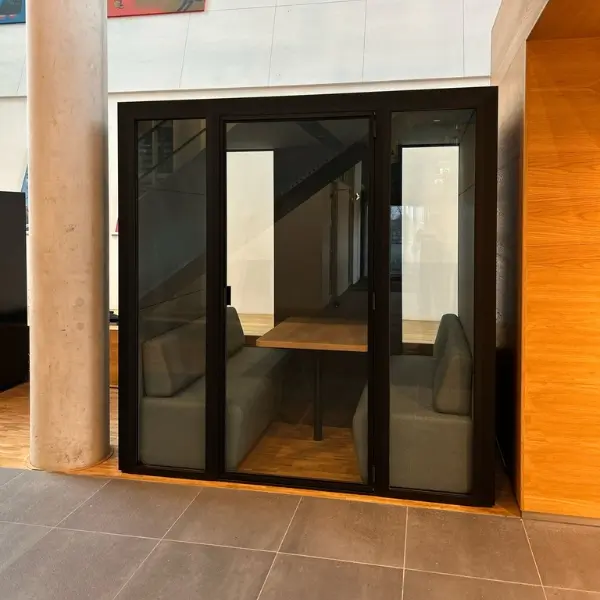
Privacy and noise control will remain essential in 2025 office design. Open layouts can be noisy, affecting employee focus and productivity. Traditional open plan offices often exacerbate these issues, leading to disengagement and stress among employees. Acoustic office pods address these issues effectively. Ecolution Design offer acoustic solutions designed for privacy and noise reduction. These pods create quiet, comfortable work areas without sacrificing collaboration spaces. Offices using acoustic solutions report increased employee satisfaction and productivity. Prioritizing acoustics and privacy in workspace planning will significantly enhance employee comfort and overall business performance.
Modular and Adaptive Office Furniture
Modular and adaptive furniture will define workspace design trends in 2025. Offices increasingly need furniture that easily adapts to different tasks. Modular furniture systems, allow companies to quickly change workspace layouts. Mobile desks, adaptable seating, and meeting pods offer versatility for collaboration or individual tasks. Flexible furniture helps maximize office space, increasing efficiency and employee satisfaction. Adopting modular furniture now prepares your workspace to meet evolving needs in the future.
Technology-Enhanced Offices
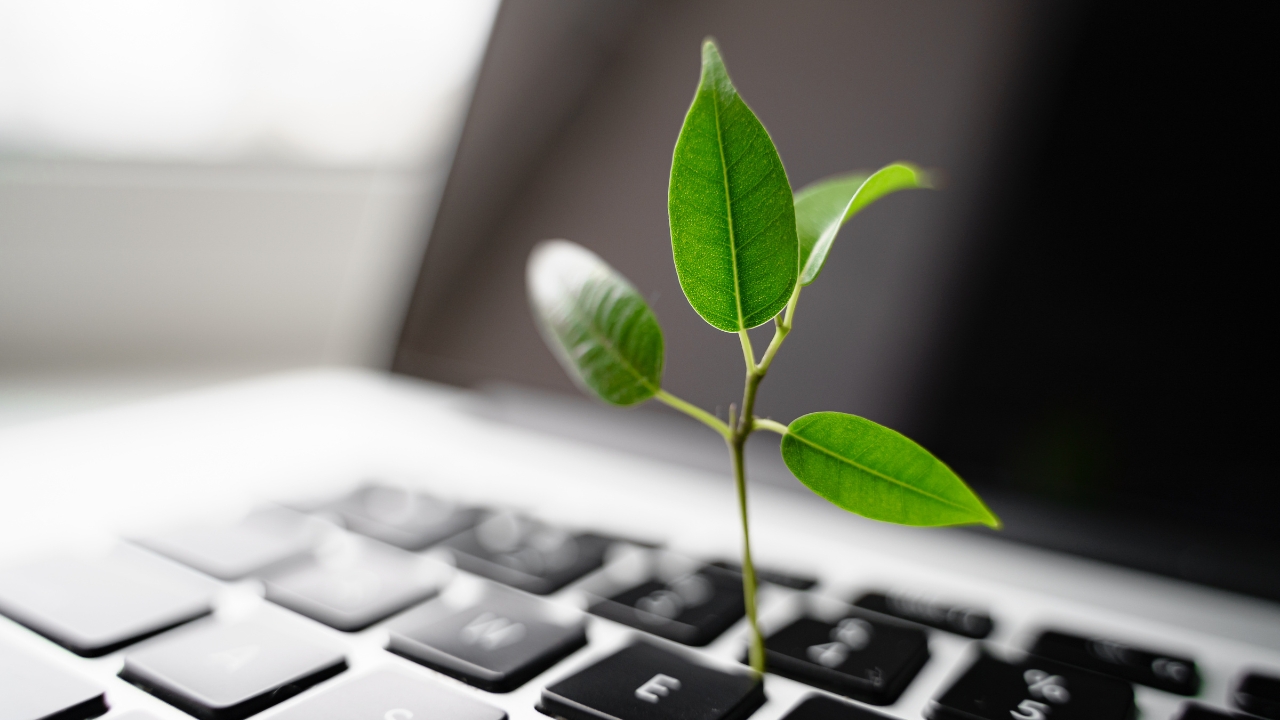
The modern workspace will embrace technology to improve productivity and connectivity. Smart technologies, including AI-driven systems and connected office furniture, will optimize workspace efficiency. Integrated smart desks and meeting pods streamline collaboration and enhance hybrid work. Offices using technology to automate tasks report higher employee satisfaction and improved workflow. Investing in technology-enhanced furniture now helps companies adapt to changing demands quickly, positioning them as innovative leaders in the workspace of the future.
Employee-Centric Workplace Design for Employee Engagement
21st century workspace design will prioritize employee well-being and comfort. Ergonomic furniture, wellness-focused spaces, and thoughtful zoning help workers remain productive and healthy. Offices will include spaces dedicated to relaxation, collaboration, and private tasks, enhancing overall job satisfaction. Employee-centric designs reduce workplace stress, improving performance and retention. Companies that adopt these employee-focused strategies early will become attractive workplaces, effectively drawing and retaining talented employees.
Strategies for Employee Engagement
Employee engagement is critical to organizational success. Strategies for engaging employees include:
- Professional Development: Providing opportunities for professional development and growth helps employees feel valued and motivated.
- Open Communication: Encouraging open communication and feedback fosters a sense of community and connection among employees.
- Community Building: Fostering a sense of community and connection among employees enhances engagement and satisfaction.
- Recognition and Rewards: Recognizing and rewarding employee contributions and achievements boosts morale and motivation.
- Positive Work Environment: Creating a positive and inclusive work environment that supports employee well-being is essential for maintaining high levels of engagement.
By implementing these strategies, companies can enhance employee engagement, leading to greater organizational success and a more productive workforce.
Efficient Space Utilization
Efficient use of office space will be critical in the work environment. Companies are optimizing limited office areas by using flexible, modular furniture and adaptable layouts. Hybrid workspaces support efficient planning by combining remote work and in-office collaboration. Furniture options like mobile desks and customizable pods allow quick adjustments for meetings, individual tasks, or team activities. Effective space utilization reduces costs, improves productivity, and creates a comfortable working environment. Businesses embracing efficient space management now will benefit greatly as workspace needs continue to evolve.


Workspace Design Trends in 2025
Workspace design trends in 2025 will prioritize hybrid flexibility, sustainability, inclusivity, and employee well-being. Embracing modular furniture, acoustic privacy solutions, and efficient space use ensures offices stay adaptable to future demands. Companies investing in technology-enhanced workspaces will achieve greater productivity and employee satisfaction. Early adoption positions businesses as forward-thinking leaders, attracting top talent and driving success. Adapting now to these evolving workspace trends will deliver significant long-term benefits.