Transparent Furniture Manufacturing: Shaping Sustainable Design for Modern Office Spaces
In the contemporary office environment, where sustainability is paramount, transparent manufacturing is emerging as a critical component in designing modern office furniture. This approach not only addresses environmental concerns but also aligns with the growing demand for eco-friendly office spaces. At the core of this movement is the concept of an “eco passport,” a tool that provides detailed information about the certified materials and processes involved in furniture production, empowering consumers to make informed choices.
In this post, we'll take a look at:
The Importance of Sustainable Furniture Design
Sustainable furniture design is more important than ever. As awareness of environmental issues grows, companies are increasingly seeking ways to reduce their carbon footprint and promote eco-friendliness. Sustainable office furniture plays a pivotal role in this endeavor. By utilizing eco-friendly materials, minimizing waste, and enhancing recyclability, sustainable furniture design significantly reduces the environmental impact of office spaces. Beyond environmental benefits, sustainable furniture also contributes to better indoor air quality, lower energy consumption, and improved employee well-being. This holistic approach not only supports the planet but also fosters a healthier and more productive work environment.
The Eco Passport in Eco Passport Furniture Design
The eco passport serves as a comprehensive guide to the materials used in office furniture, detailing their origins and the environmental impact of their production. This transparency is essential as businesses increasingly seek furniture that aligns with sustainable practices. For office furniture, this means ensuring that materials like bamboo, reclaimed wood, and recycled plastics are sourced responsibly and that production processes minimize environmental harm.
Adopting the eco passport in furniture design encourages manufacturers to commit to sustainable practices, enhancing consumer trust and brand loyalty. It ensures that every piece of furniture contributes positively to the office environment and the planet, promoting a circular economy where materials are reused and recycled.

What is Transparent Furniture?
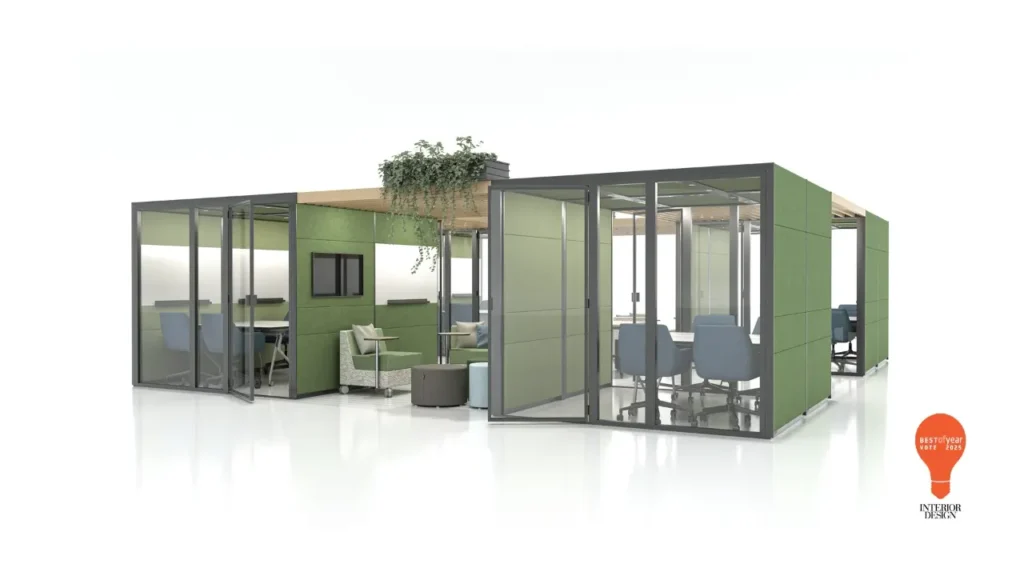
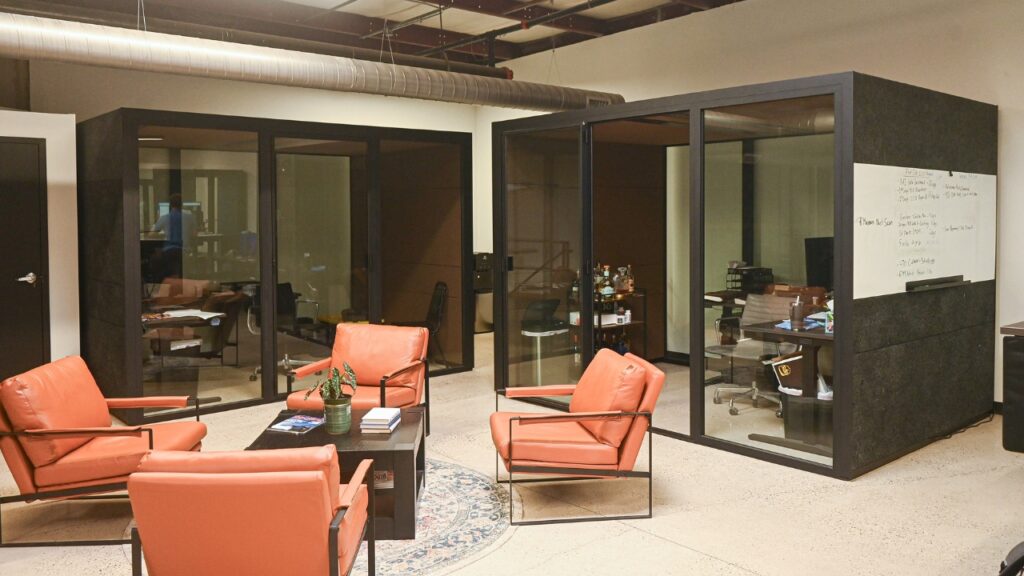
Transparent furniture, crafted from materials like glass, acrylic, and certain plastics, is designed to bring a sense of openness and visibility to modern office spaces. This type of furniture creates a seamless flow and continuity within a room, making it ideal for contemporary office layouts. Transparent furniture can delineate different areas within a space without obstructing the visual field, adding a touch of elegance and sophistication. Its ability to blend functionality with aesthetic appeal makes transparent furniture a popular choice for designers aiming to create airy, light-filled office environments.
Leading the Way with Sustainable Practices
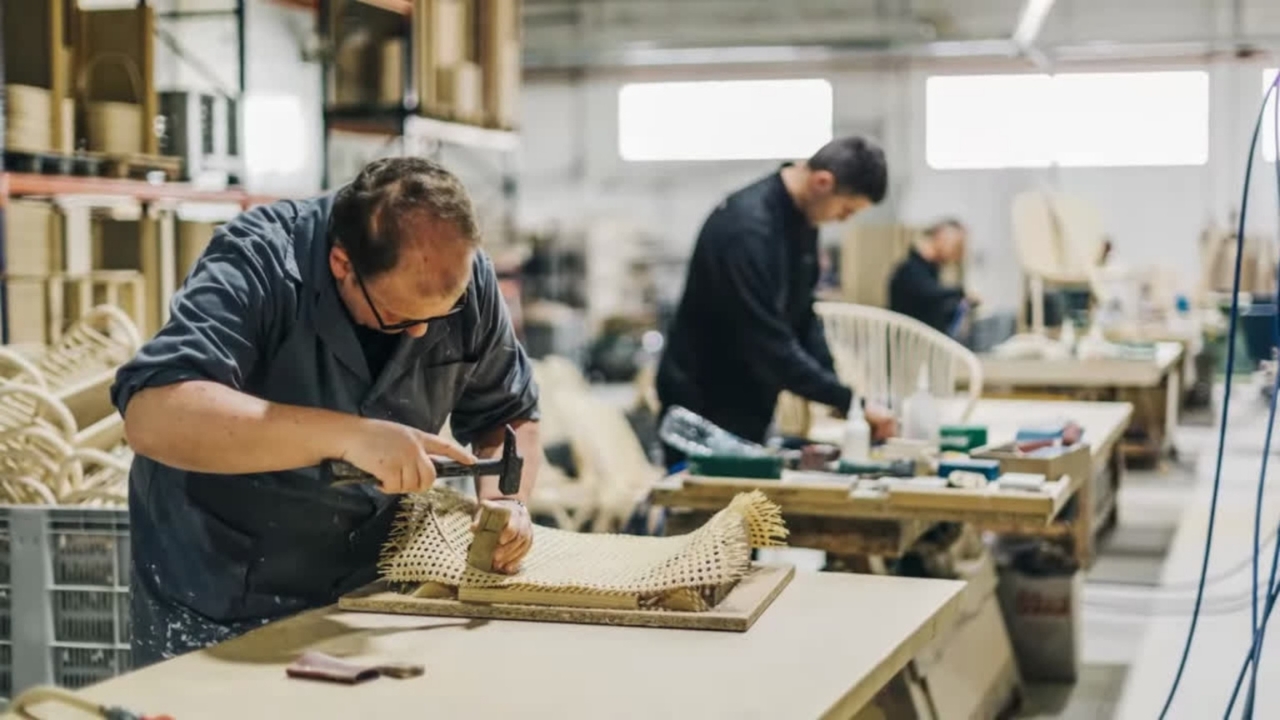
Innovative companies are setting new standards in the office furniture industry by integrating transparent manufacturing processes. These companies are not only responding to consumer demands but are also pioneering a shift towards sustainability by making their supply chains visible and accountable. This approach helps reduce waste and supports the circular economy by ensuring that office furniture can be reused, refurbished, or recycled, thus extending its life cycle and minimizing environmental impact.
Innovation and the Circular Economy in Sustainable Office Furniture
Transparent manufacturing drives innovation in office furniture design by encouraging the use of sustainable materials and efficient production methods. Custom furniture designs can enhance sustainability by meeting specific needs and reducing waste. For instance, modular and multi-functional designs allow for flexibility and adaptability, reducing the need for frequent replacements and thus supporting sustainable consumption. By providing an eco passport, companies ensure that their furniture can be part of a sustainable life cycle, aligning with the principles of the circular economy.
Commitment to a Sustainable Office Environment
Ultimately, incorporating transparent manufacturing into office furniture design reflects a commitment to sustainability that goes beyond regulatory compliance. It involves embedding eco-friendly practices into the core of business operations, making sustainability a driving force in decision-making. Companies that embrace this approach not only contribute to a healthier planet but also differentiate themselves in a competitive market by proving that profitability and responsibility can coexist.
By choosing transparency, these companies demonstrate accountability and a genuine commitment to positive environmental impact. This is the future of office furniture design—a future where every piece comes with an eco passport, enabling businesses to create workspaces that are both sustainable and conducive to employee well-being.


Emerging Trends in Sustainable Furniture Design
The landscape of sustainable furniture design is continually evolving, with several exciting trends emerging. One significant trend is the use of recycled and upcycled materials. Designers are increasingly turning to recycled plastics and reclaimed wood to create unique, eco-friendly furniture pieces. Another notable trend is the incorporation of biodegradable materials like bamboo and cork, which can be easily composted and reused. Additionally, there is a growing emphasis on modular and adaptable furniture designs. These pieces can be easily disassembled and reassembled, reducing waste and promoting a circular economy. By embracing these trends, designers and manufacturers are paving the way for a more sustainable future in office furniture design.
Eco Passport Certified
Sustainable furniture design is essential for modern office spaces. By incorporating eco-friendly materials, reducing waste, and enhancing recyclability, sustainable furniture design helps minimize the environmental impact of office environments. Transparent furniture, made from materials like glass and acrylic, adds a sense of openness and sophistication to office spaces. Technology plays a crucial role in this field, enabling designers to create functional, aesthetically pleasing, and eco-friendly furniture. Emerging trends such as the use of recycled and biodegradable materials, along with modular designs, further support sustainability. By integrating these principles, companies can create office spaces that are not only environmentally responsible but also conducive to employee well-being and productivity.