
Multigenerational Workplace: Designing Offices for Diverse Generations and Personalities
The modern workplace is evolving. Today’s offices bring together employees from multiple generations, each with unique work styles, expectations, and preferences. From Baby Boomers to Generation Z, businesses must understand these differences to create an environment that supports productivity, collaboration, and well-being for all. Understanding these generational differences can also enhance employee engagement efforts.
In this post, we'll take a look at:
A well-designed multigenerational workplace fosters inclusivity by offering flexible workspaces, ergonomic solutions, and technology-driven environments that meet diverse needs. Companies that invest in thoughtful office design can enhance employee satisfaction, retention, and overall performance.
This article explores how businesses can design workspaces that accommodate generational differences while fostering collaboration and efficiency. Implementing adaptable office layouts, inclusive design principles, and smart workplace solutions, companies can create a workspace where every employee thrives.
Understanding Generational Differences in the Workplace
A multigenerational workplace includes employees from different age groups, each with distinct values, work preferences, and expectations. Understanding these differences is key to designing a workspace that fosters productivity and collaboration. Recognizing these differences makes employee engagement important as it is crucial for fostering a productive and engaged workforce.
Baby Boomers (Born 1946-1964)
- Prefer structured work environments with clear hierarchies.
- Value in-person meetings and mentorship opportunities.
- Appreciate private offices or enclosed spaces for focused work.
Generation X (Born 1965-1980)
- Balance independent work with collaboration.
- Prioritize work-life balance and flexible schedules.
- Prefer quiet spaces for deep focus while valuing modern technology for efficiency.
Millennials (Born 1981-1996)
- Thrive in open, social workspaces that promote teamwork.
- Seek technology-driven solutions for communication and collaboration.
- Value purpose-driven work, professional growth, and workplace flexibility.
Generation Z (Born 1997-2012)
- Expect digital integration and tech-enabled workspaces.
- Prefer hybrid work models with adaptable seating and communal areas.
- Emphasize diversity, inclusivity, and sustainable office design.
A workplace that accommodates these generational differences ensures better collaboration, engagement, and job satisfaction. Designing office spaces with a mix of private areas, flexible seating, and tech-driven solutions allows employees of all ages to work efficiently in an environment that meets their needs.



How Workplace Design Supports a Multigenerational Workforce
A well-designed office meets the diverse needs of employees, allowing them to work efficiently and comfortably. When incorporating flexible layouts, ergonomic workstations, and adaptable technology, businesses can create an environment that supports all generations. Employee surveys are crucial in understanding these diverse needs and provide insights for designing effective workspaces.
Flexible Office Layouts
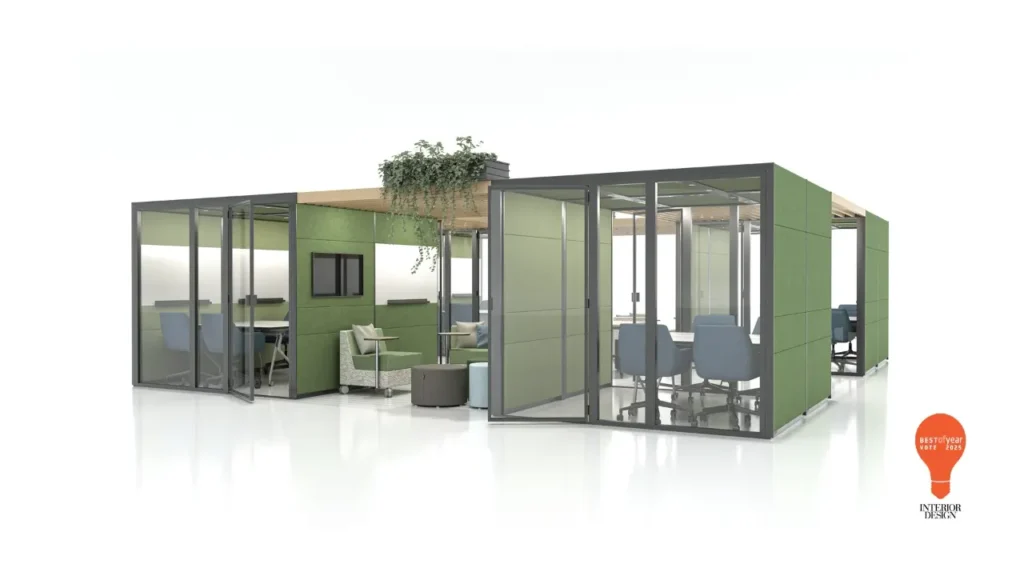
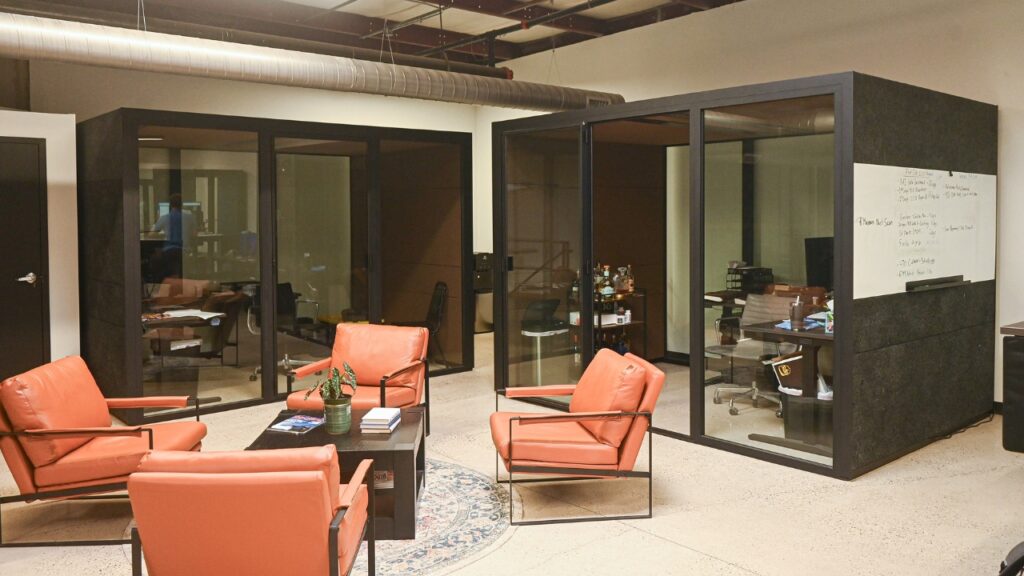
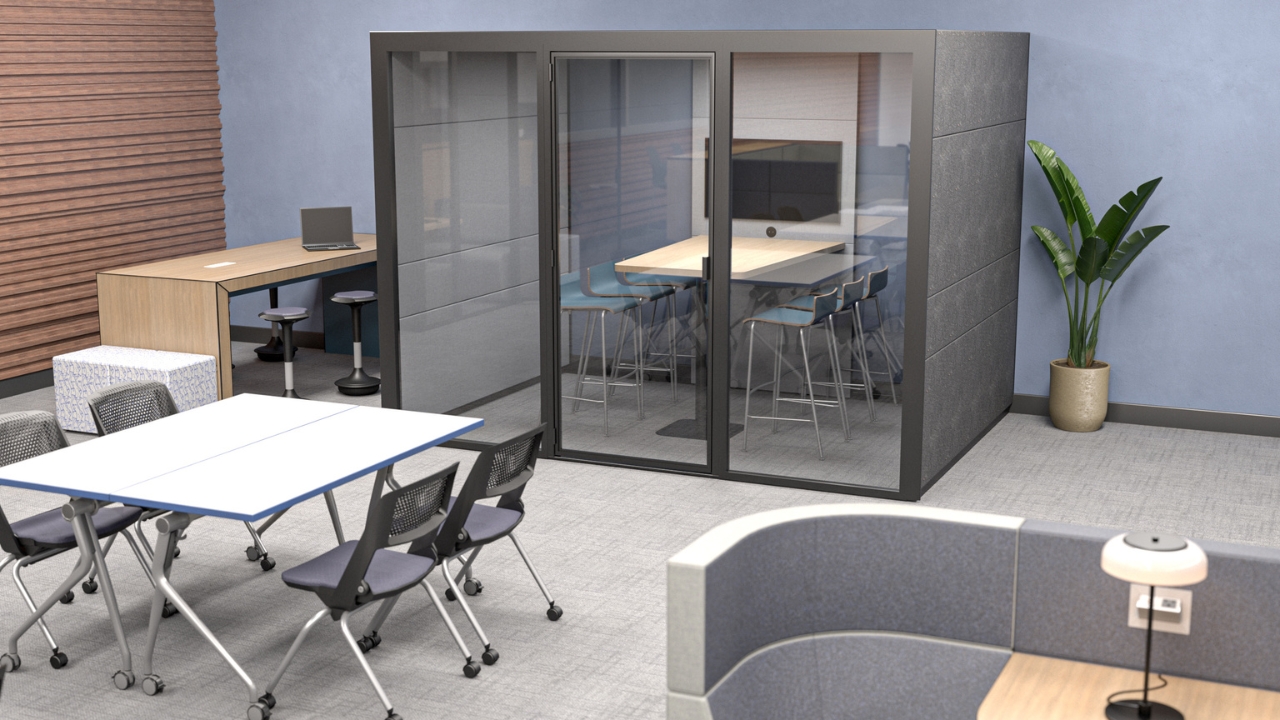
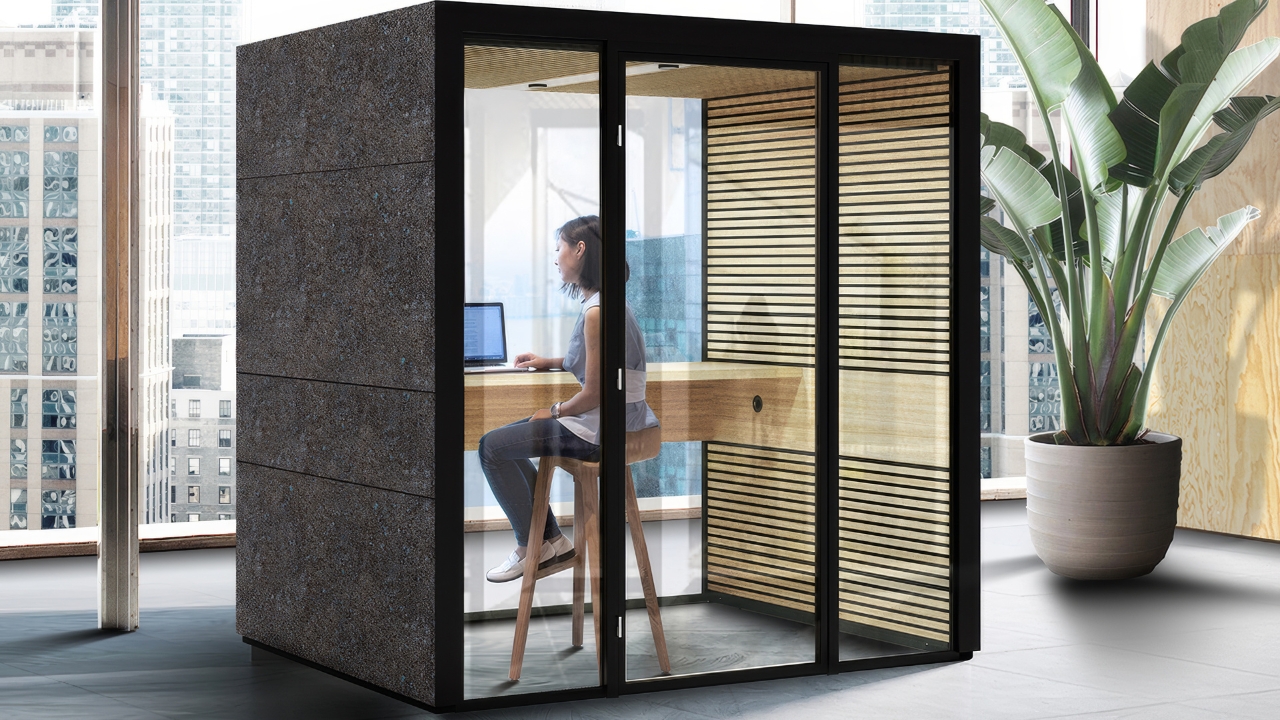
Modern offices should provide a mix of open collaboration spaces, private focus areas, and semi-private pods. Solutions like our Work Pods offer enclosed spaces for deep concentration, while open lounges encourage teamwork and spontaneous discussions. Flexible office layouts can also improve employee efficiency by offering a variety of spaces that cater to different work styles and needs.
Ergonomic & Comfortable Workstations
Seating and desk options should prioritize comfort and posture support. Baby Boomers and Gen X often prefer adjustable-height desks and supportive chairs, while Millennials and Gen Z favor casual seating areas with modular furniture that allow movement throughout the day.
Effective performance management strategies can address the ergonomic needs of different generations, ensuring that workstations are both comfortable and conducive to productivity.
Tech-Enabled Workspaces
Technology plays a crucial role in bridging generational gaps. Wireless charging stations, video conferencing tools, and smart office integrations create a seamless work experience for all employees. Our Phone Pods and Flex Pods provide quiet spaces for virtual meetings and focused work, enhancing productivity without disrupting open work areas. Additionally, targeted employee engagement feedback can help in understanding the technology needs of different generations, ensuring that tech-enabled workspaces are designed to meet diverse requirements.
Break Areas & Refreshment Stations
A multigenerational office benefits from spaces designed for relaxation and informal connections. Providing coffee bars, quiet lounges, and wellness rooms helps employees recharge, improving overall job satisfaction and engagement. Break areas and refreshment stations play a crucial role in fostering team recharging by encouraging informal connections and improving team dynamics.
Designing with functionality, flexibility, and inclusivity ensures that every generation finds a workspace that supports their productivity and well-being.
The Role of Workplace Flexibility in Supporting All Generations
A workplace that offers flexibility helps employees perform at their best, regardless of age or work style. Providing options for hybrid work, adaptable schedules, and personalized work environments ensures that every generation feels supported and engaged. A well-defined strategy can enhance staff engagement across different generations, further supporting workplace flexibility.
Hybrid Work Models & Remote Flexibility
Millennials and Gen Z have embraced remote and hybrid work, valuing location independence and digital collaboration tools. Meanwhile, Baby Boomers and Gen X often prefer in-person interactions but appreciate the option for occasional remote work. Work Pod Large and Meeting Pod XL offer dedicated spaces for virtual collaboration, ensuring remote and in-office employees stay connected. Further increasing connection for both remote and in-office employees, supporting a seamless hybrid work model.
Scheduling & Work-Life Balance
A one-size-fits-all schedule no longer works. Businesses that allow flexible start times, compressed workweeks, or remote work options can accommodate employees who thrive under different conditions. This approach enhances job satisfaction, productivity, and retention. As well, leveraging workplace software can further support flexible schedules by providing insights into employee preferences, thereby enhancing overall engagement.
Workplace Culture & Employee Engagement
A culture that fosters collaboration, mentorship, and recognition helps employees of all generations feel valued. Establishing mentorship programs, cross-generational teams, and informal networking spaces promotes knowledge-sharing and professional growth.
Adaptable Workspaces for Changing Needs
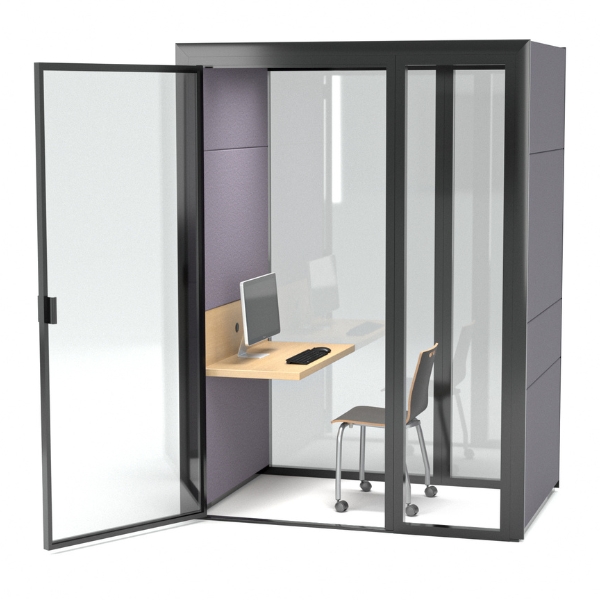
The needs of a multigenerational workforce are constantly evolving. Offices designed with modular furniture, private pods, and reconfigurable spaces allow businesses to adjust as workplace trends shift. Solutions like the Duo Pod provide the mobility and adaptability required for a modern, evolving workforce.
By embracing flexibility in schedules, culture, and workspace design, companies create an environment where employees can work efficiently while maintaining a healthy work-life balance.


Inclusive Office Design for Diverse Thinkers & Genders
An inclusive workplace ensures that employees of all backgrounds, genders, and cognitive styles feel comfortable and supported. Designing office spaces with accessibility, neurodiversity, and gender inclusivity in mind helps create a more productive and welcoming environment. Inclusive office design also plays a crucial role in fostering team unity by enhancing team dynamics and collaboration.
Designing for Neurodiversity
Not all employees work best in the same type of environment. Those who are neurodivergent, including individuals with ADHD, autism, or sensory sensitivities, benefit from a variety of workspaces that cater to different levels of stimulation. Offices should include:
- Quiet zones and soundproof pods (e.g., Work Pods) for focused work.
- Adjustable lighting and noise control to reduce distractions.
- Flexible seating arrangements that allow movement and choice.
Addressing Gender Needs in the Workplace
Historically, office environments have been designed with men in mind. Businesses that prioritize gender-inclusive office design improve comfort and equity for all employees by:
- Offering temperature-controlled zones that accommodate different comfort levels.
- Providing parent-friendly amenities, such as nursing rooms and on-site childcare.
- Creating restroom options that accommodate all gender identities.
Encouraging Cross-Generational Collaboration
To foster teamwork and knowledge-sharing between generations, offices should include:
- Shared workspaces that encourage spontaneous collaboration.
- Mentorship lounges where employees can connect across experience levels.
- Hybrid meeting solutions (e.g., Meeting Pods) that ensure remote and in-person teams stay engaged.
An inclusive office recognizes that one type of workspace does not fit all. Designing flexible, accessible, and gender-inclusive designs, companies create an environment where everyone can succeed.


Key Takeaways for Employers & Office Designers
Creating a multigenerational workplace requires an intentional approach to office design, flexibility, and inclusivity. Understanding employee needs across generations, businesses can cultivate a workspace that fosters collaboration, productivity, and job satisfaction. Tailored strategies that address generational needs can significantly improve staff productivity, leading to better business outcomes and enhanced workplace morale.
Understanding Generational Needs
- Baby Boomers value private spaces and structured environments.
- Gen X prefers a balance between independence and teamwork.
- Millennials thrive in social, flexible workspaces with tech integration.
- Gen Z expects hybrid work models, sustainability, and digital-first solutions.
Designing for Productivity & Comfort
- Offer a mix of private focus areas, collaborative workspaces, and quiet zones.
- Invest in ergonomic seating, adjustable workstations, and wellness-driven design.
- Implement Work Pods, Meeting Pods, and Flex Pods for adaptable, soundproof spaces that meet diverse needs.
Emphasizing Workplace Flexibility
- Support hybrid work options and personalized schedules.
- Use technology to connect remote and in-office teams seamlessly.
- Encourage cross-generational mentorship and collaboration spaces.
Creating an Inclusive & Adaptive Environment
- Design spaces that accommodate neurodiverse employees and different work styles.
- Ensure gender inclusivity with comfortable workspaces, flexible dress codes, and equitable amenities.
- Adapt to changing workplace trends with modular furniture and dynamic layouts.
A successful multigenerational workplace evolves with its employees, prioritizing adaptability, inclusivity, sustainability, and smart design to enhance productivity and engagement. By integrating flexible layouts, ergonomic furniture, and tech-enabled solutions, businesses create an environment where every generation thrives.
Ecolution Design’s Pods offer adaptable spaces that support collaboration, privacy, and hybrid work needs. Recognizing and addressing generational differences not only boosts employee satisfaction and retention but also drives long-term business success. Now is the time for companies to evaluate their office spaces and implement changes that foster a diverse, supportive, and future-ready workplace. Contact Us Today.