Future-Proofing Commercial Real Estate
Fortune 500 property teams face a perfect storm. Tariff swings raising material costs, hybrid work shrinking footprints, and ESG rules tightening every quarter. Traditional steel-stud walls cannot flex fast enough or meet new carbon targets. Forward-looking owners now turn to modular buildings and U.S.–made office pods that cut lead times, avoid import duties, and re-shape floors in days, not months. By pairing adaptable layouts with circular-economy materials and smart building tech, leaders lock in lower risk and higher tenant appeal, no matter how markets move.
In this post, we'll take a look at:
The Pressures Reshaping Commercial Real Estate
Tariff Uncertainty and Rising Costs
Import duties on steel, aluminum, and drywall shift with every trade update, pushing construction budgets higher and delaying schedules. U.S.–made pods avoid these tariffs and ship on predictable lead times, giving owners cost control even when policy changes overnight.
Hybrid Work and Shrinking Footprints
Since 2019 many firms cut floor area from roughly one million square feet to about 600–700 thousand square feet yet spend more per square foot on interior fit-outs to support the hybrid working model and draw talent back. Desk arrangements, such as shared or hot-desking setups, play a crucial role in supporting hybrid work and attracting employees. Flexible layouts, hot-desking, and privacy pods let teams resize without another gut renovation.
ESG and Circular-Economy Mandates
At least 75 percent of employees want some days in the office, but they also expect low-carbon spaces. Landlords now track embodied carbon, landfill diversion, and material sourcing when signing big tenants. Circular furniture, recycled panels, and energy-smart sensors turn sustainability from a perk into a lease requirement.
Five Pillars of a Future-Ready Workspace
1. Modular Construction for Agility
Locally sourced acoustic pods install in hours, not weeks, and re-stack without demolition. One study shows modular pods can cut a project’s carbon footprint by up to 33 percent compared with drywall rooms.
2. Flexible, Hybrid-Centric Planning
Activity-based zones, focus pods, soft lounge, outdoor tables, play a crucial role in the hybrid workplace by allowing teams to shrink or swell as business cycles change. Modular office buildings offer many benefits, such as faster completion times and reduced site disturbance, making them an efficient and cost-effective solution. Hot-desking software tracks use so under-used space can convert to meeting rooms overnight.
3. Inclusive & Accessible Design
ADA-ready entrances, zero-step pods, and sensory-friendly quiet rooms open the office to every employee, including those with mobility or neurodivergent needs. Companies that embed accessibility see higher retention and engagement scores.
4. Technology-Enabled Efficiency
Smart sensors measure air quality, occupancy, and energy draw in real time, while AI dashboards suggest layout tweaks that boost seat usage and cut utility spend. Plug-and-play power rails move with the pods, keeping rewiring costs low.
5. Circular & Sustainable Materials
Locally sourced panels, recycled aluminum frames, and take-back programs keep furniture out of landfills and help firms hit ESG targets. Sustainable office furniture exemplifies how high comfort and functionality standards can be met using sustainable materials. Ecolution Design’s eco-passport tracks each component’s life cycle so tenants can report embodied-carbon savings with confidence, contributing to a sustainable future by promoting the use of circular materials.


Ecolution Design: A Case Study in Future-Proofing
Tariff-Free, Made-in-America Production
Ecolution Design manufactures its modular acoustic pods in the United States, so owners bypass steel and aluminum import duties and avoid the volatility that has added double-digit cost swings to many recent build-outs. Domestic sourcing also cuts overseas shipping time, moving projects from purchase order to punch-list weeks faster than conventional imports.
Work & Meeting Pods
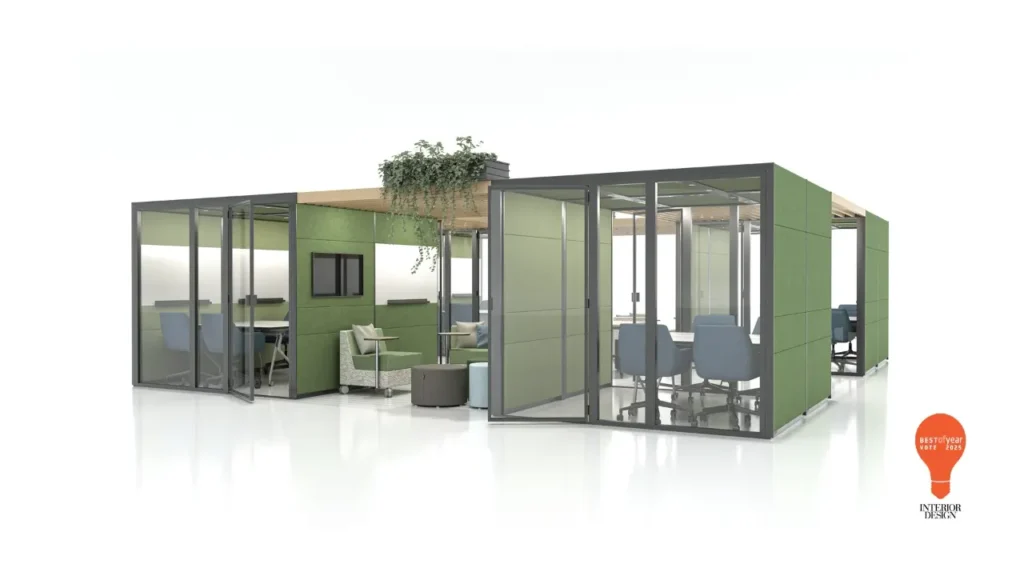
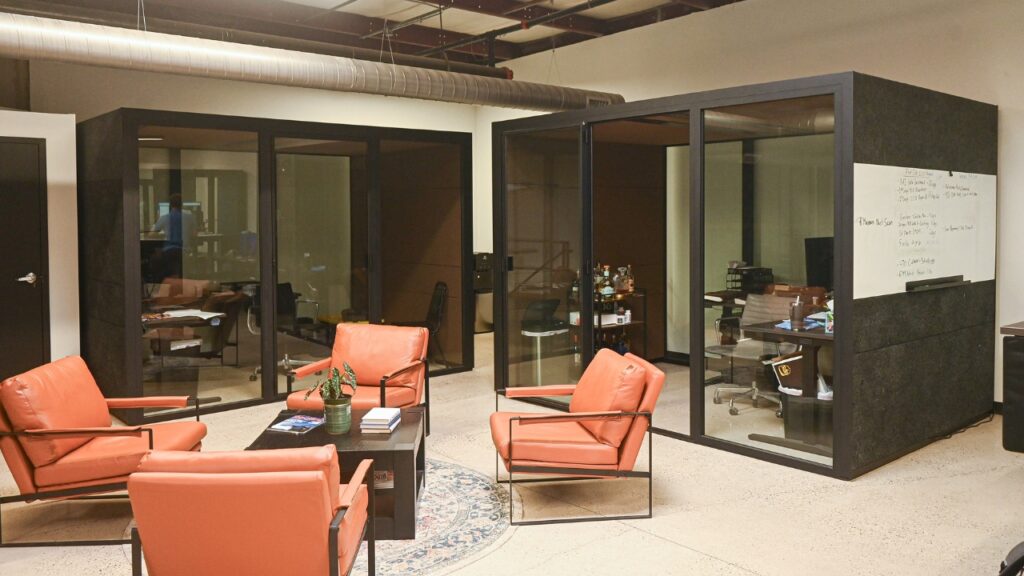
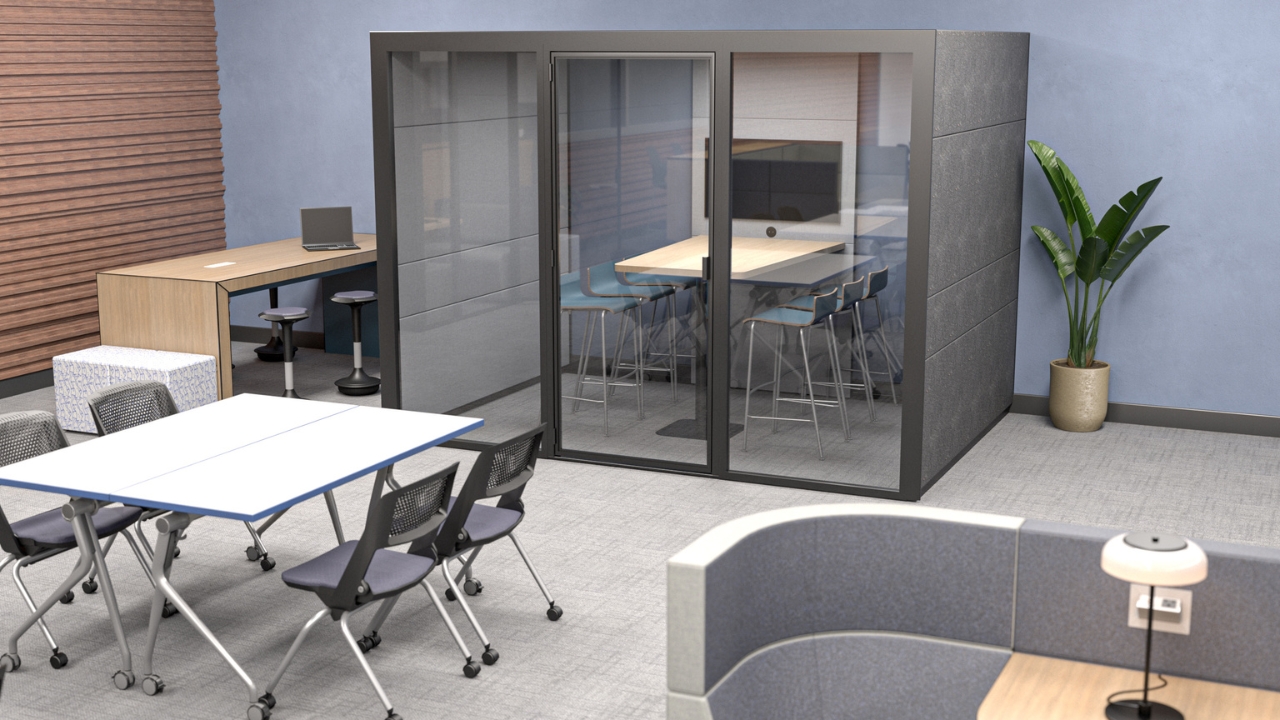
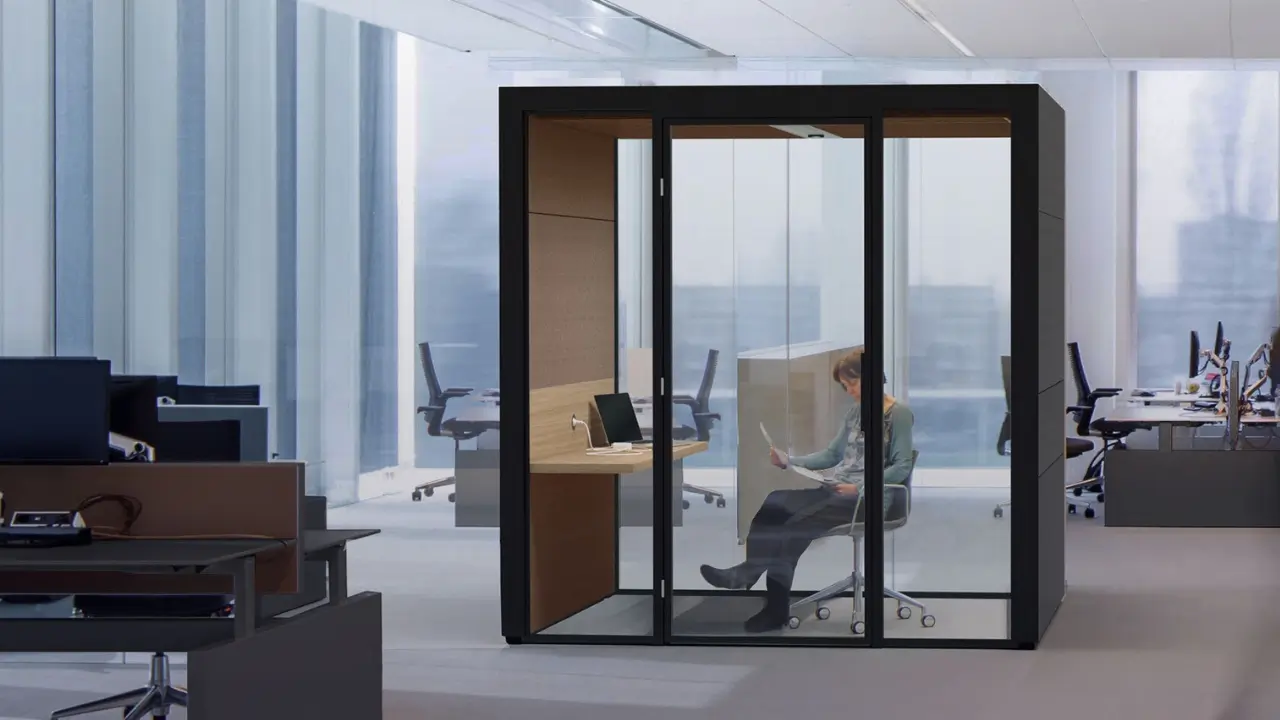
Ecolution’s factory-built panels click together with concealed fasteners, integrate plug-and-play power rails, and relocate without patching floors or ceilings, offering a significant advantage over traditional construction methods. Modular office buildings cause less site disturbance to the location compared to traditional construction, making them a more efficient and environmentally friendly option. Entire meeting suites install in a single day or weekend, then re-stack when a new lease or head-count shift demands it. Acoustic Phone Pods, Work Pods, and Meeting Pods create quiet zones inside open plans, giving hybrid teams focus without adding bulk drywall.
ESG Impact Metrics
Each product ships with a fully transparent Eco-Passport that lists recycled content, embodied-carbon totals, and end-of-life take-back options. Using recycled aluminum frames and low-VOC panels diverts material from landfills and supports corporate ESG disclosures. Clients that swapped fixed drywall rooms for Ecolution Design pods report a reduction in project carbon footprint and eliminated hundreds of pounds of demolition debris.
Financial & Operational Payoffs
Modular construction delivers an immediate cost edge. CBRE project-management teams report that a conventional drywall room can run $20,000 – $50,000 once you add studs, sheetrock, paint, and labor. By contrast, a Ecolution Design pod arrives ready for quick assembly, plugs into power, and cuts labor bills by roughly half. Additionally, the purchase process for modular pods is streamlined, further enhancing their appeal.
Speed compounds the savings. Crews wheel pre-finished pods onto the floor after hours and prepare them for use the same day. Employees come back the next morning to a clean, quiet space, with no dust, no paint smell, no lost billable hours. Fortune 500 offices installing entire banks of privacy and work pods overnight is the new standard.
The importance of private spaces in hybrid work environments cannot be overstated. These spaces facilitate productivity and innovation by supporting various work modes, enabling individuals to engage in focused tasks, virtual meetings, and collaborative sessions while minimizing distractions.
The environmental upside is just as strong. A life-cycle study comparing modular pods with sheet-rock rooms found a 33 percent drop in carbon footprint thanks to factory precision and reusable frames. Less on-site cutting also means fewer dumpsters headed to landfills.
Flexibility adds a second layer of return. When head-count shifts, pods relocate instead of heading to the skip. One corporate client moved its pods three times in five years and still spent less than the cost of a single drywall teardown and rebuild, proof that adaptable walls preserve capital while supporting growth. Tax treatment sweetens the deal. Under U.S. IRS Section 179, many modular assets qualify for full first-year expensing, improving cash flow. Shorter depreciation schedules also appeal to tenants on shorter leases, turning flexibility into a balance-sheet win.
Taken together, lower up-front cost, near-zero downtime, reduced carbon, reuse potential, and tax advantages, modular, circular solutions outclass fixed walls on every metric that matters to today’s commercial real-estate teams.

Step-by-Step Roadmap to Future-Proof Your Portfolio
1. Audit today’s space and tariff risk: start with hard numbers, square footage by use, occupancy rates, and recent tariff impact on material budgets. This baseline shows where flexible layouts and tariff-free sourcing will save the most money. Address the growing demand for adaptable workspaces to support various tasks and enhance employee experiences.
2. Target high-impact modular retrofits: pick areas that cost you either downtime or rent penalties. Often meeting rooms, focus booths, or under-used corners. Swapping fixed walls for modular pods in these zones delivers the fastest payback.
3. Set clear ESG goals and measure carbon now: record current energy use, embodied-carbon totals, and landfill output. When you install circular, U.S.–made components, you can track the drop in real time and report progress to investors.
4. Pilot hybrid zones with smart tech: install occupancy sensors, booking apps, and air-quality monitors in one floor. Gather three months of data to prove that a flexible, tech-ready zone boosts seat usage and employee satisfaction.
5. Scale circular procurement across sites: with pilot results in hand, roll out modular pods, recycled finishes, and take-back programs portfolio-wide. Use the Eco-Passport on every Ecolution product to verify recycled content and end-of-life plans. Emphasize the importance of conserving natural resources through circular procurement to address environmental concerns and sustainability.
6. Re-evaluate every year, adjust, reuse, repeat: blocked leases, head-count shifts, or new ESG rules will come. Because modular components relocate and panels click back together, you can rebuild the layout and stay future-ready without new construction waste.
Conclusion: Build for Change, Not Just for Today
Future-proofing commercial real estate comes down to one principle, design for change. Tariffs will shift, work models will evolve, and ESG rules will tighten, but spaces built with modular, circular, and technology-ready systems can flex without costly demolition. By choosing U.S.–made Ecolution Design pods, hybrid-centric layouts, and circular materials, property teams lock in lower risk, stronger tenant appeal, and measurable carbon savings.
Ecolution Design stands ready to help. Our collection installs in hours, move when your needs move, and ship with clear data on recycled content and embodied carbon. If you’re ready to lower costs, shrink your footprint, and boost sustainability, explore Ecolution Design’s solutions today, and start future-proofing your portfolio.