
Neurodivergent Spaces: How Ecolution Design Pods Support Focus & Wellbeing
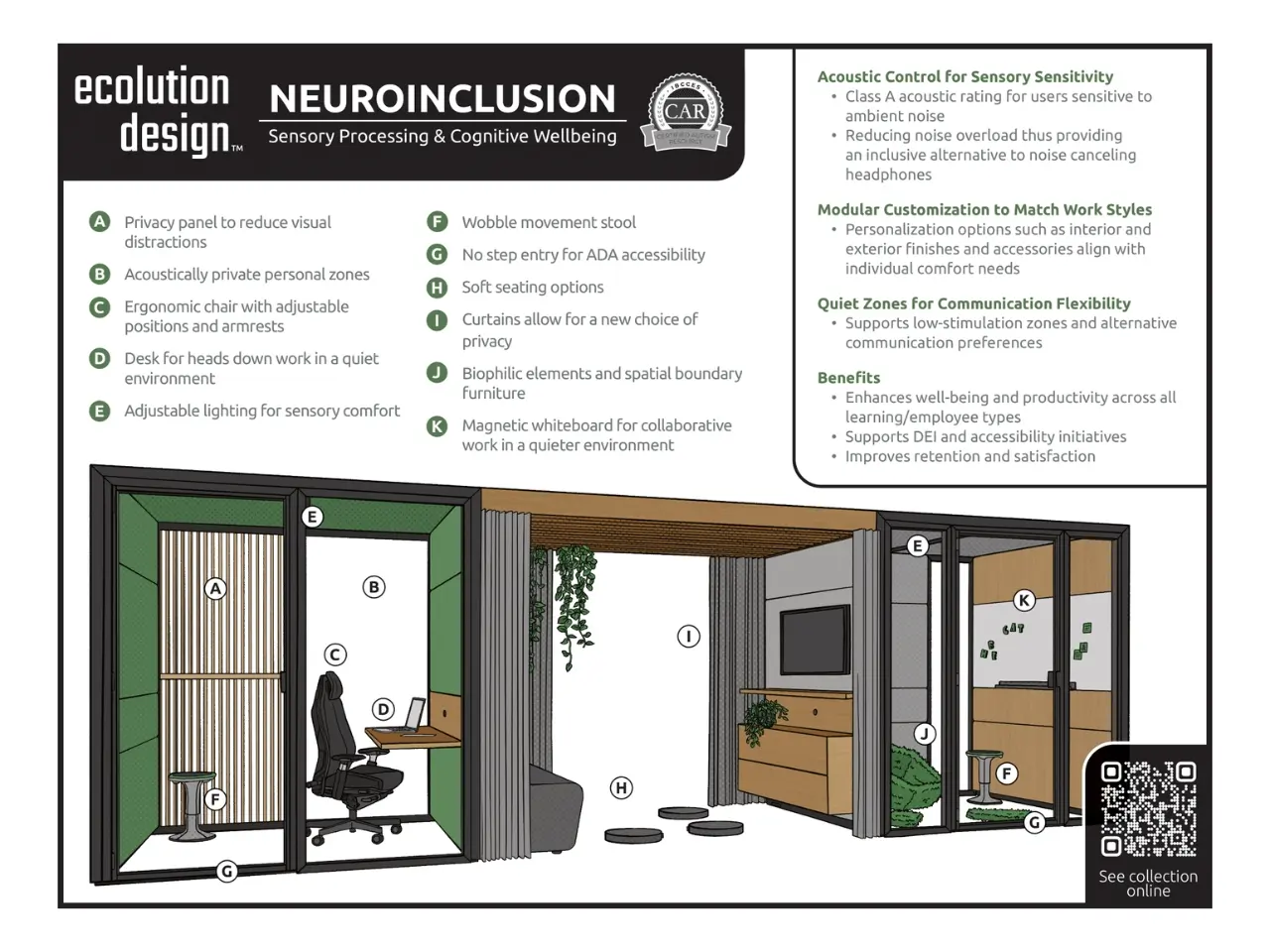
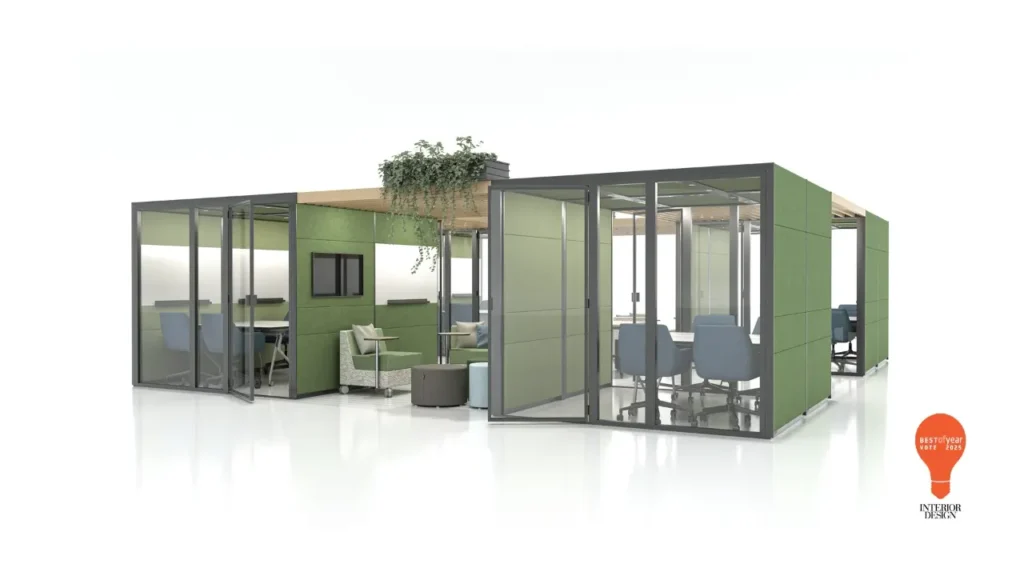
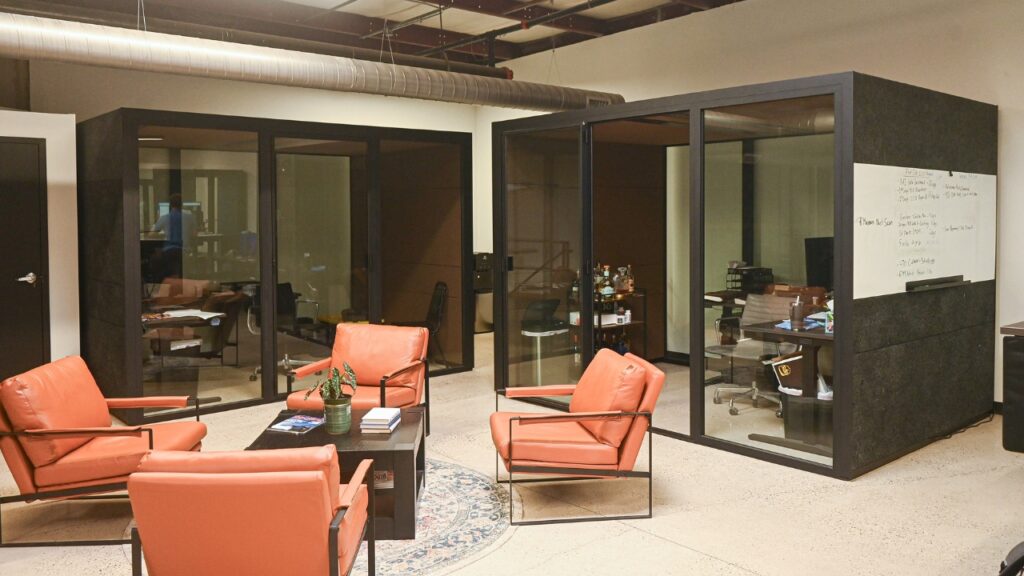
Do you have a student that gets easily overwhelmed in the school library, media or esports center? Or perhaps you have noticed that employee that frequently takes a laptop to work in the corner of the break room or a coat closet. Or maybe you have seen a travel weary family at a busy airport with a child in a full-blown sensory meltdown. These may all possibly be examples of neurodivergent brains at work and why creating neurodivergent spaces is important! In this post, we'll take a look at: We sat down with Cecilia Cruse, MS, OTR/L to discuss how to create better spaces for neurodivergent individuals. Neurodiversity refers to the concept that some brains function differently than those of their “neurotypical” peers. It is a term that is now being used to define a variety of cognitive sensory or social emotional differences including Learning Disabilities (such as Dyslexia or Dysgraphia), Attention Deficit Hyperactivity Disorder (ADHD), Autism Spectrum Disorder (ASD), Sensory Processing Disorder (SPD), Bipolar Disorder (BD), and others. Current estimates indicate that approximately 1 in 5 individuals have a thinking or sensory processing style associated with neurodivergence. As neuroscience and education models have evolved in recent years, there is a shift occurring that considers neurodivergent individuals through an asset lens rather than a deficit one. And businesses are also taking note! Companies such as Microsoft, SAP, Google, and JPMorgan Chase, and others have initiatives and programs specifically designed to attract, hire, and retain neurodivergent talent. Quiet spaces like sensory or calming pods are increasingly being used to support neurodivergent individuals in a variety of settings. When providing safe spatial boundary definition with controlled sensory input these pods can provide a designated space to reduce overstimulation and foster self-regulation and self-management. Quiet pods are popping up everywhere from schools to offices as well as stadiums and airports. They are quickly becoming a practical solution to provide reasonable accommodations to support neurodivergent individuals in educational, business, and recreational environments. Ready to incorporate a pod into your learning or business environment? The Ecolution Design Collection has key features that make each pod an evolutionary step up in design and development with inclusive features like a flush entrance that supports ADA accessibility, Class A acoustic rating, adjustable lighting and more! All within a fully enclosed space. For more information Contact an Ecolution Design representative today!Three Key Benefits for Neurodivergent Spaces
Start Designing Inclusive Spaces with Ecolution Design Pods