Human-Centered Sustainable Office Design: Putting People and Planet First
A well-designed office does more than hold desks and chairs. Human-centered sustainable office design shapes a space that reflects your brand, supports every employee, and respects the planet. This concept is a central idea in modern workspace planning, focusing on creating environments that prioritize employee needs, improve productivity, and enhance the overall work experience. When you choose materials that come from local, recycled sources, and add features that cut noise by 30 dB, you build a workspace that feels good and works well. We will use clear, simple language and real data to show you how to plan a space that meets today’s needs and adapts for tomorrow. Let’s begin. In this post, we'll take a look at: Human-centered sustainable office design puts people first and planet second, in that order. It combines two ideas: Human centered design and human centric office design are foundational approaches that prioritize the needs, experiences, and wellbeing of people in the workspace. Core Principles of Human-Centered Design Fundamentals of Sustainable Office Design Centering on empathy and using circular-economy materials, you achieve a workspace that feels human and functions as a lasting asset. Workplace design integrates these principles to create effective, people-focused spaces.
When people feel calm and focused, they work better. Sensory-friendly environments cut stress and support deep work. These environments benefit all workers, including those with diverse needs and work styles, by creating spaces that enhance comfort and productivity. Class A, 30 dB office pods block noise so employees stay on task. Quiet zones and adjustable lighting help teams meet deadlines and avoid burnout. Your office speaks for your company. Branded materials and finishes tell your story without words. A lobby clad in recycled wood shows your eco-commitment. Custom pods with your logo reinforce values of innovation and sustainability. Visitors and staff see your brand in every detail.
Flexible, modular furniture grows with your needs. Hybrid work makes full-time desks costly. Pods and benches let you reclaim space when teams shrink. These flexible options provide a solution for adapting to evolving workplace needs. Lower turnover saves hiring costs. Higher engagement cuts absenteeism. Together, these gains offset upfront design investments.
It is a design approach that puts employee needs first and uses eco-friendly materials. You shape layouts based on user feedback. You choose recycled or biodegradable components. You aim for comfort, health, and low environmental impact. Thoughtful office space planning is central to this approach, ensuring the environment is functional, sensory-friendly, and tailored to support employees’ well-being.
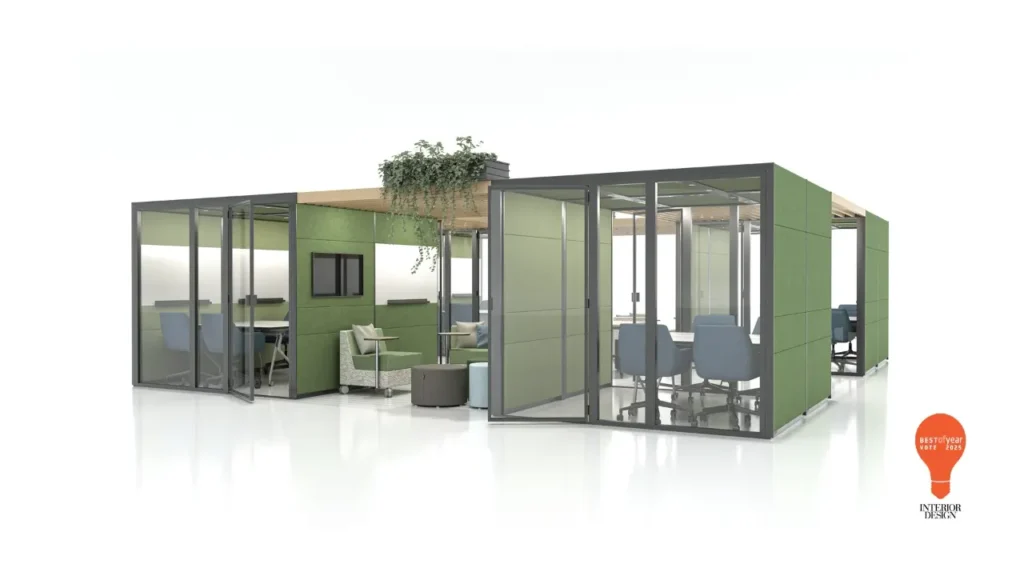
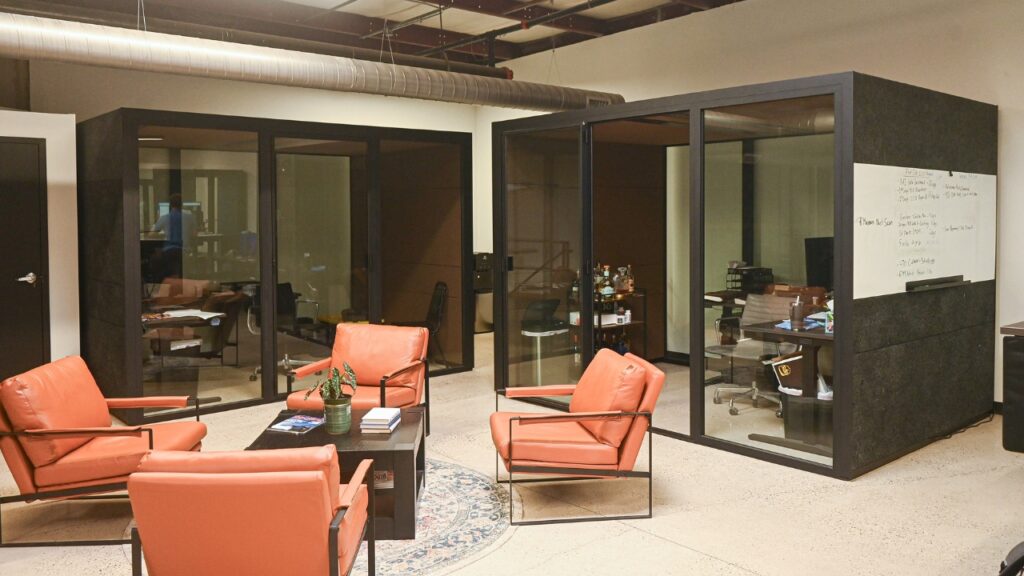
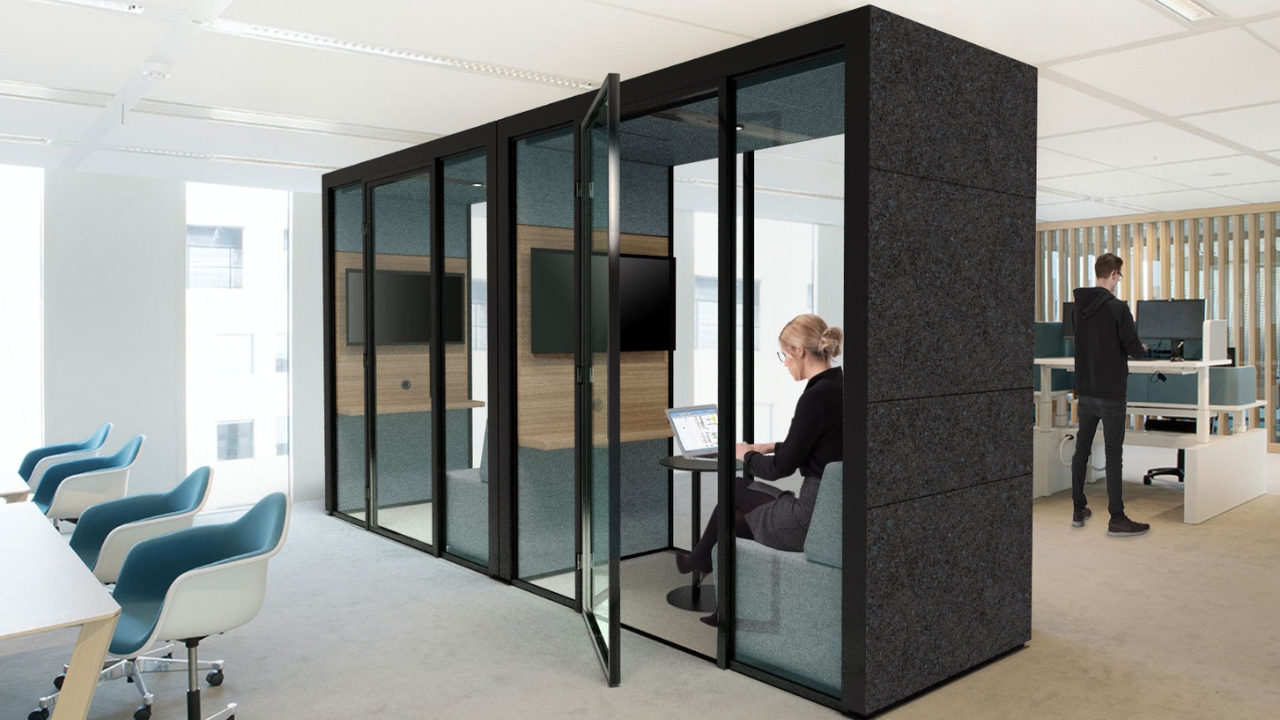
Pods offer quiet, private work areas that boost focus. Private spaces are essential in office design, as they support creativity, introspection, and mental clarity for employees. They carry eco-passports or EPDs. You can move or repurpose pods when projects end, so nothing goes to waste.
Track productivity and engagement before and after changes. Measure noise levels, absentee rates, and turnover. Compare savings on space and energy with your initial costs. These metrics show your design’s financial impact. Improvements in workspace experience, such as enhanced employee satisfaction and engagement, are also key indicators of successful office upgrades.
Use biophilic touches like plants and natural textures to lift mood. Choose colors proven to calm or energize. Add scent diffusers with subtle green-apple or lavender notes. Create quiet zones and install pods for neurodivergent staff and anyone who needs focus, ensuring these sensory-friendly environments accommodate the specific needs of each individual.
Plan layouts that guide movement and interaction. Place collaboration areas near windows for natural light. Use geometry and textures to signal different zones. For example, a curved ceiling over lounge space invites informal chats. These design choices enhance the experience for each person in the office, supporting individual needs and preferences.
Provide adjustable desks and chairs. Ensure aisles clear enough for mobility aids. Add clear signage in plain language and icons. Use certified pods with Autism Resource approval to support sensory needs.
Offer a mix of open desks and private pods, transforming how offices are designed and used to support flexible, human-centric work environments. Ecolution Design pods block 30 dB of noise for calls and deep tasks. Plus pods come equipped with power outlets and ventilation. This lets staff shift smoothly between office and remote modes.
Ecolution Design Pods block up to 30 dB of ambient noise. Effective acoustic management is essential for supporting focus and maintaining confidentiality in the workplace. Quiet spaces help employees focus on tasks and feel less fatigued. Clear acoustics also support confidential calls and small meetings.
Each pod uses 100% recycled or biodegradable materials. After use, parts return to the supply chain instead of landfills. Every unit includes an eco-passport with recycled content, carbon footprint data, and recycling instructions. Adopting circular-economy practices in office design, organizations help create a more sustainable world.
Pods are built in U.S. facilities near raw-material suppliers. Shorter supply chains cut transport emissions. Local sourcing creates jobs and ensures quality control.
Survey employees on noise levels, lighting comfort, and privacy needs. Map high-traffic zones and quiet areas. Use simple tools, online forms or paper checklists, to gather input quickly. Advances in research and technology have improved our ability to assess and optimize office environments for better employee well-being and productivity.
Vet vendors for circular-economy credentials. Look for recycled or biodegradable panels, low-VOC finishes, and local manufacturing. Prioritize modular pieces that you can reconfigure or repurpose as needs change. Remember, there is no one size solution. Choices should be tailored to your office’s unique requirements.
Identify work zones for focus, collaboration, and informal gatherings, and design an adaptable space that accommodates changing work styles and diverse needs. Place pods where noise spikes or privacy gaps occur. Choose models that match your brand palette and support Class A acoustics. With these steps, you turn insights and metrics into action. Your office becomes a space built for people and planet.
Human-centered sustainable office design combines empathy with environmental responsibility. By focusing on employee needs and choosing circular-economy materials, you create a workspace that drives productivity, supports well-being, and strengthens your brand. Start by assessing your current space and gathering staff feedback. Then select recycled, locally sourced materials and introduce modular elements, like acoustic pods, to address privacy and focus needs. Track key metrics (noise levels, engagement, turnover) to measure ROI and guide future updates. A thoughtful, people-first approach pays off: lower costs over time, higher staff satisfaction, and a powerful brand statement. Take the next step, schedule a design audit or explore an Ecolution Design Pods demo, and build an office that truly puts people and planet first. Ultimately, the goal of human-centered sustainable office design is to create environments that support the well-being and productivity of humans. Contact us today!
What Is Human-Centered Sustainable Office Design?
Why It Matters for Your Business and Your People
Boosting Productivity and Well-Being
Shaping Your Brand Identity
Maximizing Real-Estate ROI


Frequently Asked Questions
What is human-centered sustainable office design?
How do office pods support both people and planet?
How can I measure ROI on sustainable office upgrades?


Four Key Elements of an Effective Human-Centered Sustainable Office
Sensory-Friendly Environments
Environmental Psychology in Practice
Inclusive Design for Everyone
Inclusive design acknowledges that one size fits no one, so spaces must be tailored to meet diverse needs.Hybrid Work and Privacy Solutions
How Ecolution Design Pods Deliver on People-First and Planet-First Goals
Acoustic Excellence
Circular-Economy Proof Construction
American-Made, Locally Sourced


Implementing Human-Centered Sustainable Design in Your Office
Assess Your Current Space
Choose Sustainable Materials and Furniture
Integrate Pods and Modular Solutions
Embracing People-First and Planet-First Office Design