
Human-Centered Sustainable Learning with Modular Acoustic Pods for Schools
Modern schools face space and noise challenges. Modular acoustic pods for schools offer quiet, flexible learning and social areas without major construction. These self-contained booths plug in quickly. They use recycled panels and low-VOC materials to meet green building goals. Modular acoustic pods help shape a positive school environment for all members of the school community by fostering collaboration, supporting well-being, and enhancing the overall atmosphere. Students gain private study spots. Teachers find planning rooms. Counselors get confidential meeting spaces. Schools save time and cut renovation costs by up to 30 percent. From the first day of school, pods can help set the tone for a positive, collaborative environment among students, children, and staff.
In this post, we'll take a look at:
Pods come in a range of sizes and configurations to support different programs and collaborative activities among peers. Their flexible features support creativity and foster a sense of community among students, children, and staff. These pods help maintain a supportive atmosphere and reflect the school’s beliefs in inclusive education. The design supports a thriving school environment and enhances education by providing spaces that adapt to the needs of all members.
What Are Modular Acoustic Pods for Schools?
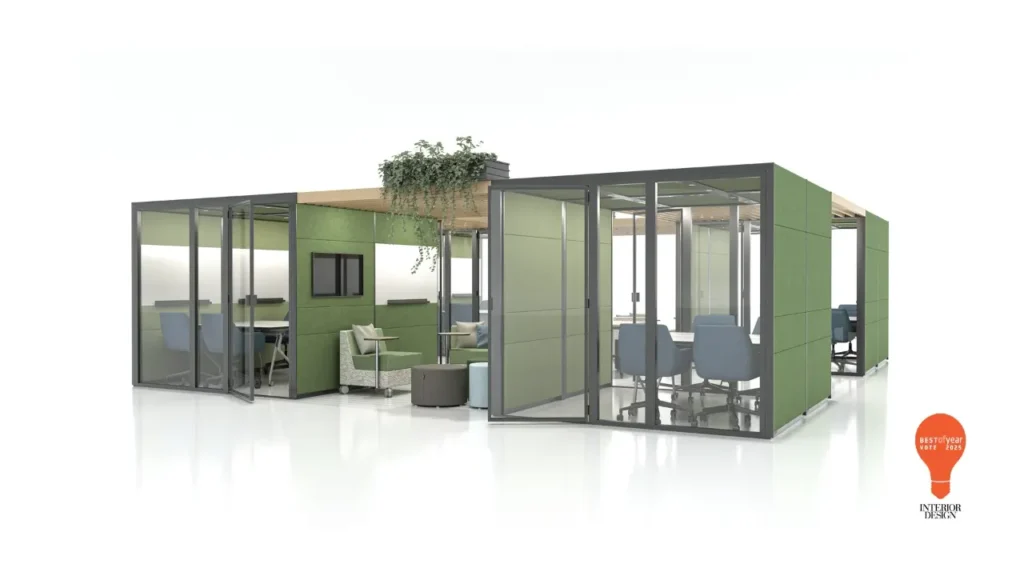
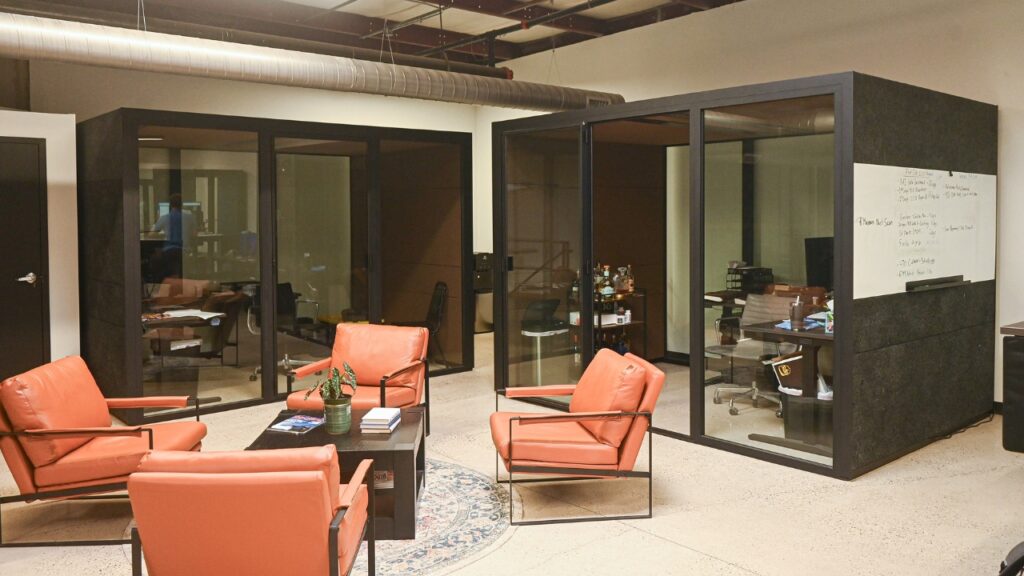
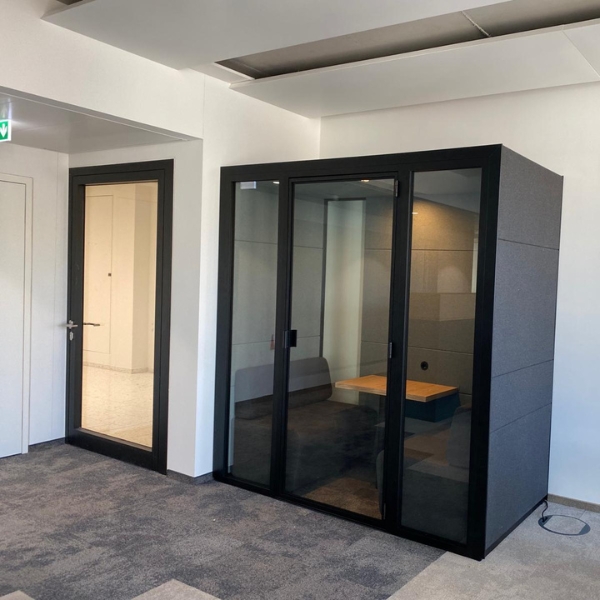
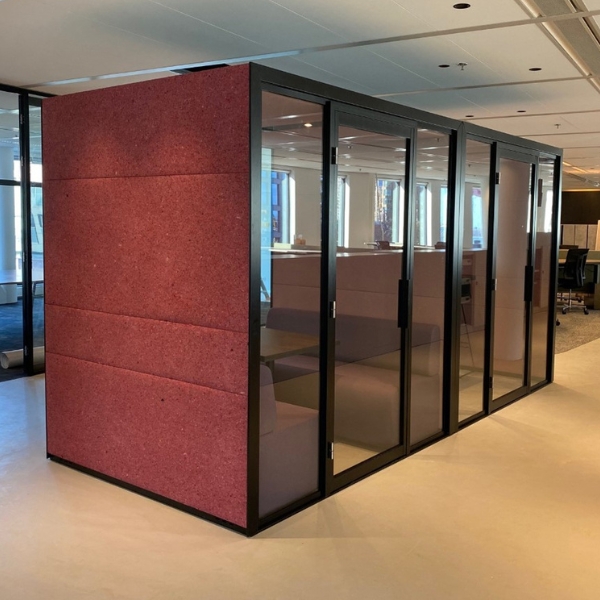
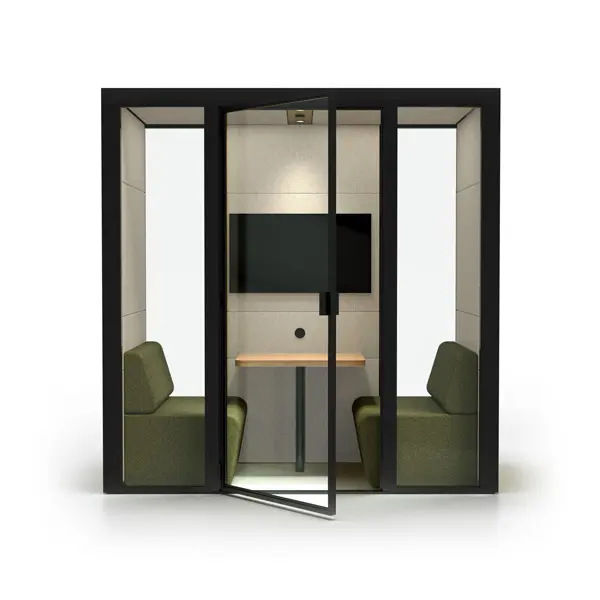
Modular acoustic pods for schools are self-contained workspaces. Each pod has walls, a door, and sound-absorbing panels. Schools place pods in halls, libraries, or open classrooms. Pods can be implemented in various classroom settings to support engagement with the curriculum. They plug pods into power and data outlets. Pods come in single-user and multi-user sizes. Pods use recycled steel frames and low-VOC panels. Schools earn green building points with these materials.
Pods block up to 30 dB of ambient noise. They let students focus on reading or exams. Pods support learners by providing spaces for practice, completing assignments, and encouraging students to participate actively in class. They give teachers private rooms for lesson planning. Pods help instructors teach more effectively and support students’ emotional well-being by reducing fear and creating a safe space for taking risks. They offer counselors a confidential area for meetings. Pods can be used to communicate with parents about new learning spaces and set expected norms for use. Pods foster joy and fun in the learning process, making the classroom experience more enjoyable and student-centered. Pods fit existing layouts. They avoid long renovation timelines and high costs.
Pods arrive on site ready to install. Facilities teams roll pods into place. They secure pods with minimal tools. Setup takes one day. Schools save on labor and downtime. Pods become usable immediately.

Creating a Positive Learning Environment
A positive learning environment is the foundation for student achievement and well-being. In classrooms where students feel safe, respected, and included, learning flourishes. Building trust between teachers and students, offering regular feedback, and encouraging active participation all contribute to a supportive atmosphere. The physical environment also plays a vital role, comfortable seating, quiet spaces for focus, and attractive, calming decor help students feel at ease and ready to learn. Intentionally creating a positive learning environment, educators foster a sense of belonging and confidence, helping students develop a lifelong love of learning and reach their full potential.
Key Benefits of Modular Acoustic Pods for Schools
1. Boost Focus and Learning: Pods block up to 30 dB of hallway noise. Studies link a 15–20% rise in test scores to reduced distractions in quiet spaces. Students use pods for reading, exams, and one-on-one tutoring. Pods also support creativity, practice, and joy in learning by providing a fun and engaging space where students are encouraged to take academic risks in a safe environment.
2. Support Teacher Planning: Teachers need private time to prepare lessons. Pods create planning rooms without removing classrooms or building new walls. Schools cut planning-room setup time from months to days. Pods help maintain a positive atmosphere and reflect the school’s beliefs in supporting both teachers and students.
3. Enable Confidential Counseling: Counselors hold sensitive meetings in pods. Enclosed walls and sound-absorbing panels protect student privacy. Pods arrive ready, avoiding lengthy construction. Pods also support students’ emotions and well-being by offering a safe, private space for self-expression and support.
4. Maximize Space Efficiency: Pods fit in underused corners, libraries, and halls. They transform idle areas into functional zones. Installing pods costs up to 30% less than full renovations. Pods foster collaboration among peers and provide dedicated spaces for completing assignments.
5. Advance Sustainability Goals: Pods use recycled steel frames and low-VOC acoustic panels. Schools earn green building credits for circular materials and reduced waste. Pods meet LEED and WELL standards. Pods help shape the learning environment and set expected norms for use, supporting a positive and sustainable school culture.
Student Success and Well-being
Student success and well-being are deeply influenced by the quality of the learning environment. When students have access to quiet study areas, supportive resources, and spaces where they feel safe and engaged, their academic and personal growth accelerates. Acoustic pods, for example, offer students a dedicated space for quiet study and reflection, supporting both their focus and emotional well-being. Schools that invest in these types of environments demonstrate a commitment to student success, providing the tools and support needed for every learner to thrive. Ongoing professional development for teachers ensures they are equipped with the latest research and strategies to support students, further enhancing the learning environment and helping all students achieve their goals.
How to Choose and Install Modular Acoustic Pods
Assess Your Space: Walk your school to find quiet and noisy zones. Note hallways, libraries, and open classrooms. Measure floor space and ceiling height. Identify power and data outlets near chosen spots. Involve members of the school community, including parents and peers, in the planning process to ensure the pods meet diverse classroom and community needs.
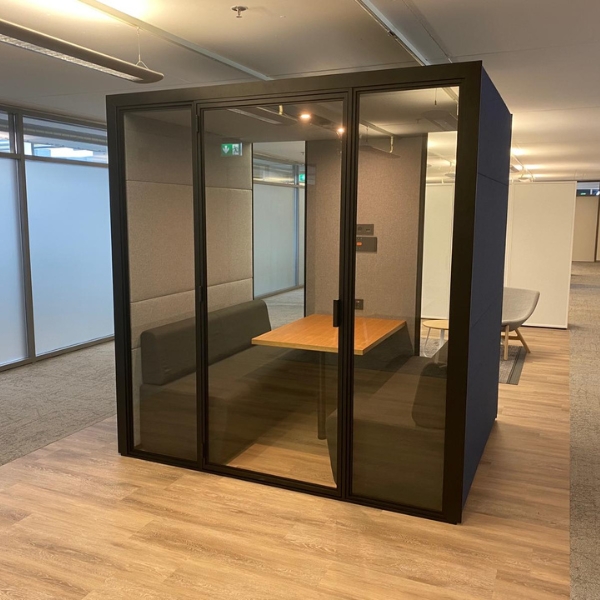
Select Pod Types: Pick single-user pods for focused study. Choose multi-user pods for group work or tutoring. Check acoustic ratings. Aim for at least 30dB sound reduction. Confirm dimensions fit your space. Consider the range of pod options available to support different programs and classroom requirements, ensuring the selection supports a variety of learning and teaching styles.
Plan Power and Ventilation: Ensure each pod has access to a standard power outlet and network port. Verify built-in fans refresh air every two minutes. Confirm pods meet your school’s HVAC requirements.
Prepare the Floor: Clear out furniture and debris in pod locations. Mark pod footprints with tape. Protect floors with temporary mats if needed.
Install Pods: Roll pods into place on casters or with a pallet jack. Align power and data cables. Lock casters or anchor floor plates. Plug in power and network. Test lights, fans, and connectivity. Implement pods in a way that supports collaboration among students and shapes a positive classroom environment.
Finalize Setup: Check doors close smoothly and seals block noise. Adjust lighting and ventilation for comfort. Update your floor plan and book-out system to include new pods. Maintain the pods regularly and set clear expectations for their use from the first day to foster a supportive and effective learning environment.
FAQs About Modular Acoustic Pods for Schools
What makes a pod soundproof?
Pods use dense, recycled panels and sealed doors. They block up to 30 dB of noise.
What pod sizes are available?
You can choose single-user pods or multi-user pods for two to six people.
How long does installation take?
Facilities teams can install pods in a single day.
Can pods move after installation?
Yes. Pods sit on casters or floor anchors. You can roll or unbolt them to relocate.
Do pods meet green building standards?
Pods use recycled and biodegradable materials. They qualify for LEED and WELL credits.
How soon do pods pay for themselves?
Schools see cost savings in under two years compared to full renovations.

Transform School Spaces with Modular Acoustic Pods
Modular acoustic pods for schools deliver quiet, flexible spaces without major construction. They boost student focus, support teacher planning, and protect counseling privacy. Pods fit into existing layouts, install in days, and cost up to 30% less than traditional renovations. Their recycled frames and low-VOC panels earn green building credits and align with sustainability goals.
Assess your space, select the right pod types, and install quickly to transform idle areas into high-impact learning zones. For a fast, eco-friendly upgrade that puts students and staff first, explore modular acoustic pods for your school today.