Circular Economy Commercial Furniture: A Sustainable Investment for Modern Workspaces
Businesses, campuses, and healthcare centers face a growing waste problem. Every year, millions of tons of old desks, chairs, and soft seating end up in landfills. Circular economy commercial furniture offers a clear solution. Businesses can incorporate circular economy strategies into their operations and branding, gaining a strategic advantage and meeting consumer demand for sustainable solutions. It keeps materials in use through repair, reuse, and recycling.
In this post, we'll take a look at:
Choosing circular-economy furniture means you buy once and use longer. You cut waste costs and lower your carbon footprint, gaining economic benefits such as cost savings and improved resource efficiency. This approach also delivers environmental benefits by reducing waste and supporting sustainability. You also show employees and clients that you value real sustainability. Learn how this model works, why it pays off, and how to start your own circular procurement plan.
What Is the Circular Economy and Why It Matters for Furniture
Definition and Core Principles
The circular economy keeps materials in use through repeated cycles. Makers design products so you can repair, refurbish, and recycle them. Many circular economy furniture pieces are created with careful attention to craftsmanship and ethical production. Factories use post-consumer materials. They plan for disassembly at the start. This closed-loop production cuts raw material needs and landfill waste.
Contrast with Linear “Take-Make-Waste” Models
Most furniture follows a linear line: make it, sell it, throw it away. Fast furniture often lasts only a few years. While new furniture can be appealing, it may not provide the same sustainability or durability as circular economy options. It ends up in dumps and drives up disposal costs. Circular economy commercial furniture breaks that cycle. It lets you return items when they no longer fit your needs. You extend the useful life and avoid repeated buys.
Key Benefits of Circular Economy Commercial Furniture
Reduced Waste and Lower Disposal Costs
Circular economy furniture cuts landfill volume. Studies show circular models can divert up to 90% of furniture waste from dumps. You save on removal fees and avoid the hidden costs of disposal. Choosing refurbished furniture further reduces waste and extends the lifespan of existing products by keeping them in use and out of landfills.
Lower Carbon Footprint and Energy Use
A life cycle assessment finds that reused materials can cut carbon emissions by 40% compared to new products. Choosing furniture built for disassembly, you shrink energy demands in manufacturing and transport. Using durable materials such as steel in furniture frames further enhances longevity and supports circular economy goals.
Enhanced Brand Reputation and ESG Performance
Customers and stakeholders expect real action on sustainability. Adopting circular-economy office furniture signals your commitment. Many circular economy furniture products are refurbished or manufactured to the highest standards of quality and aesthetics. You strengthen your environmental, social, and governance (ESG) profile and stand out in bids and proposals.
Core Strategies for Sourcing and Designing Circular-Economy Furniture
Local Sourcing and American-Made Production
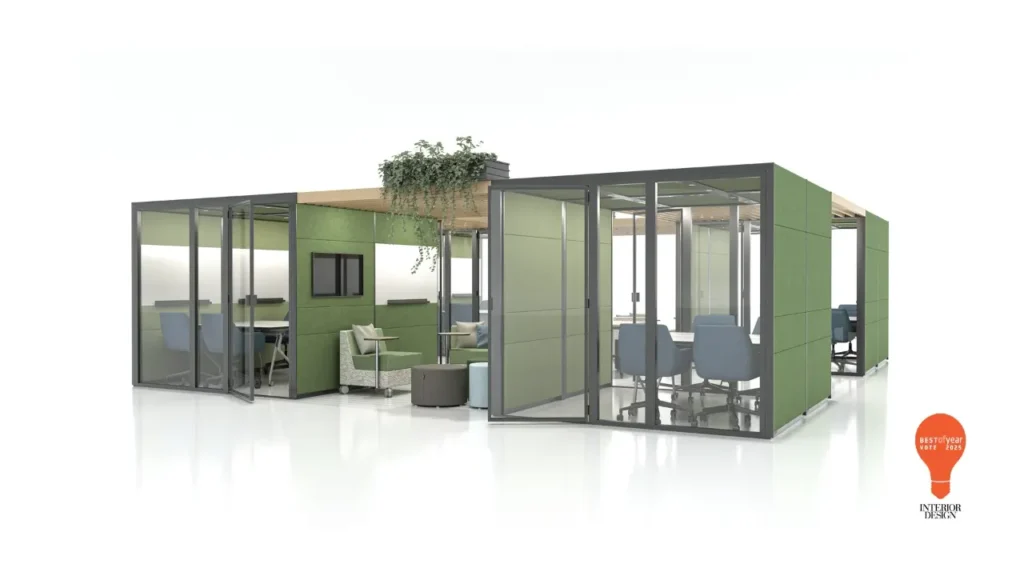
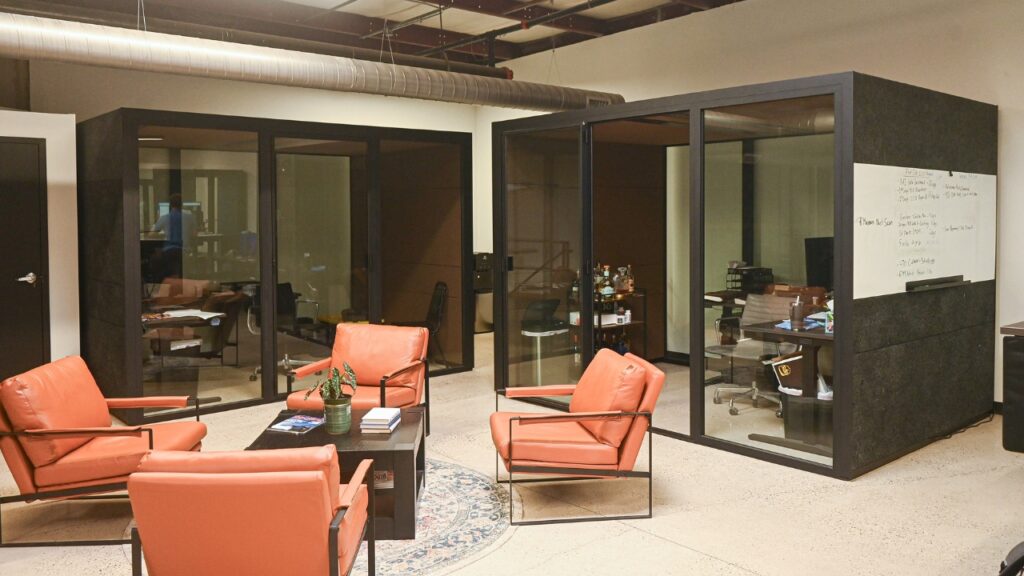
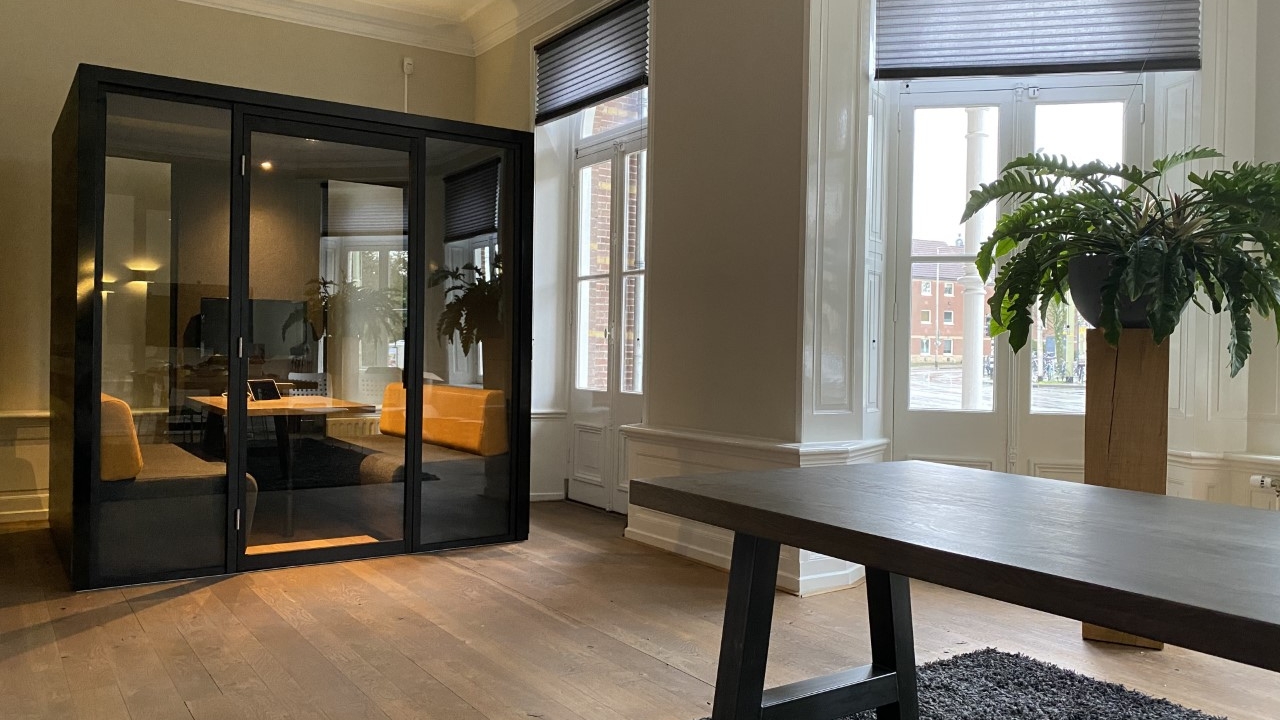
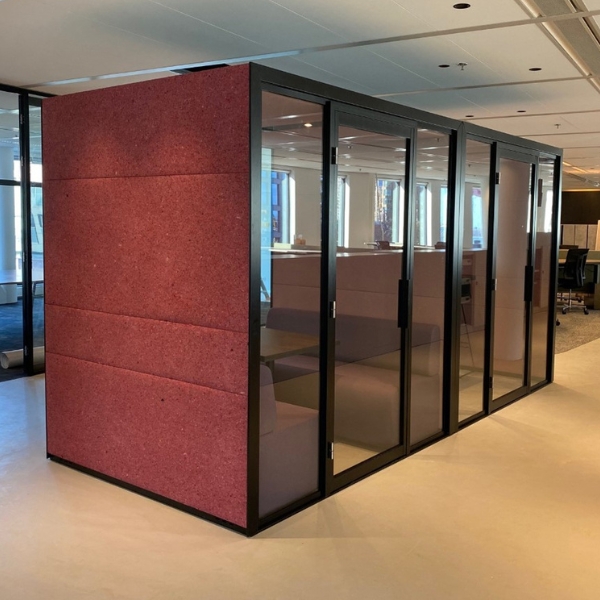
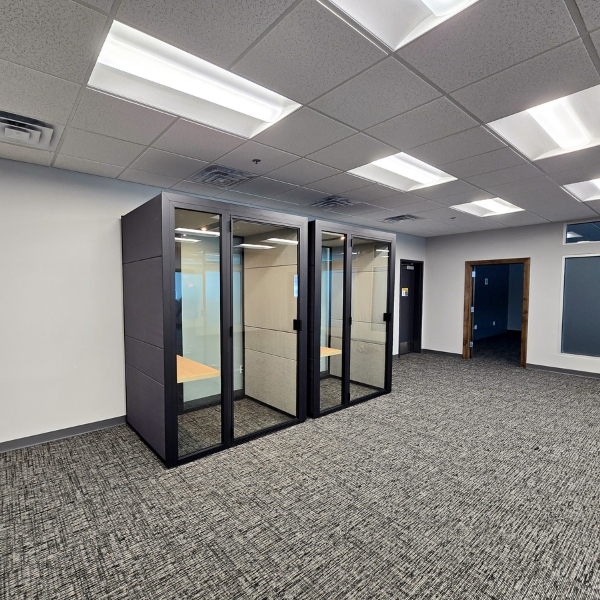
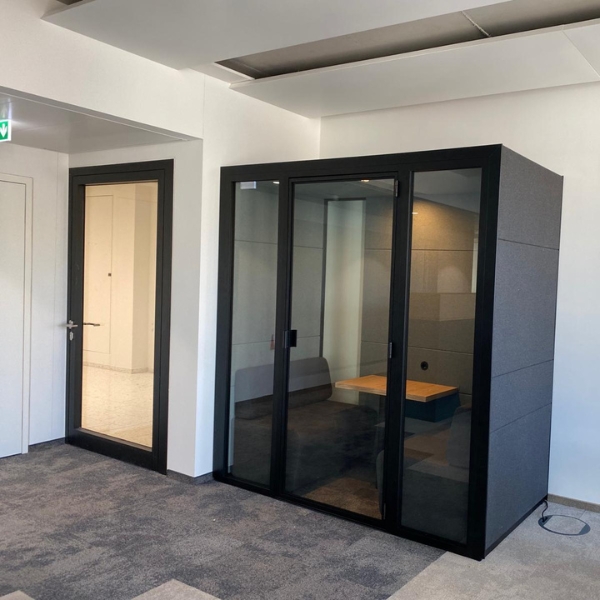
Ecolution Design makes all pods in Grand Rapids, Michigan. Many manufacturing processes are handled in house to ensure quality control and sustainability. Keeping production close, cuts shipping distances. Shorter transport means lower emissions and faster turnaround. These American-made principals support local jobs and avoids import tariffs.
Use of Recycled and Bio-Based Materials
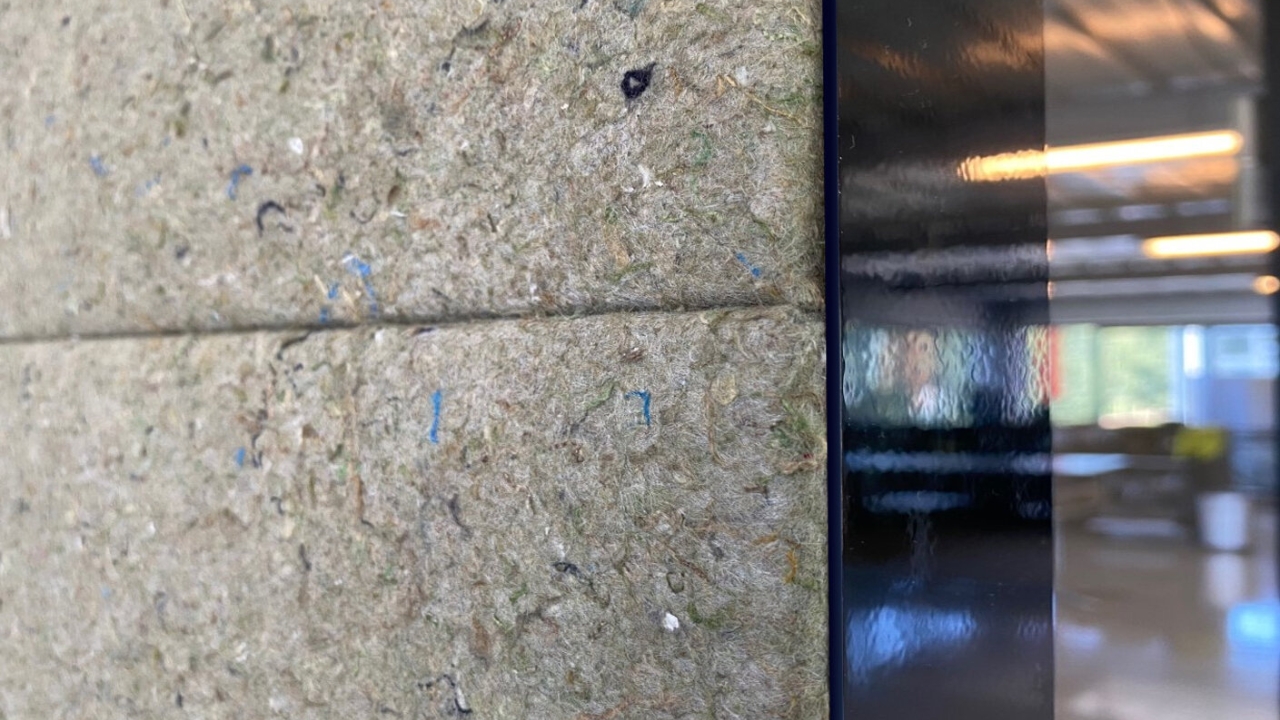
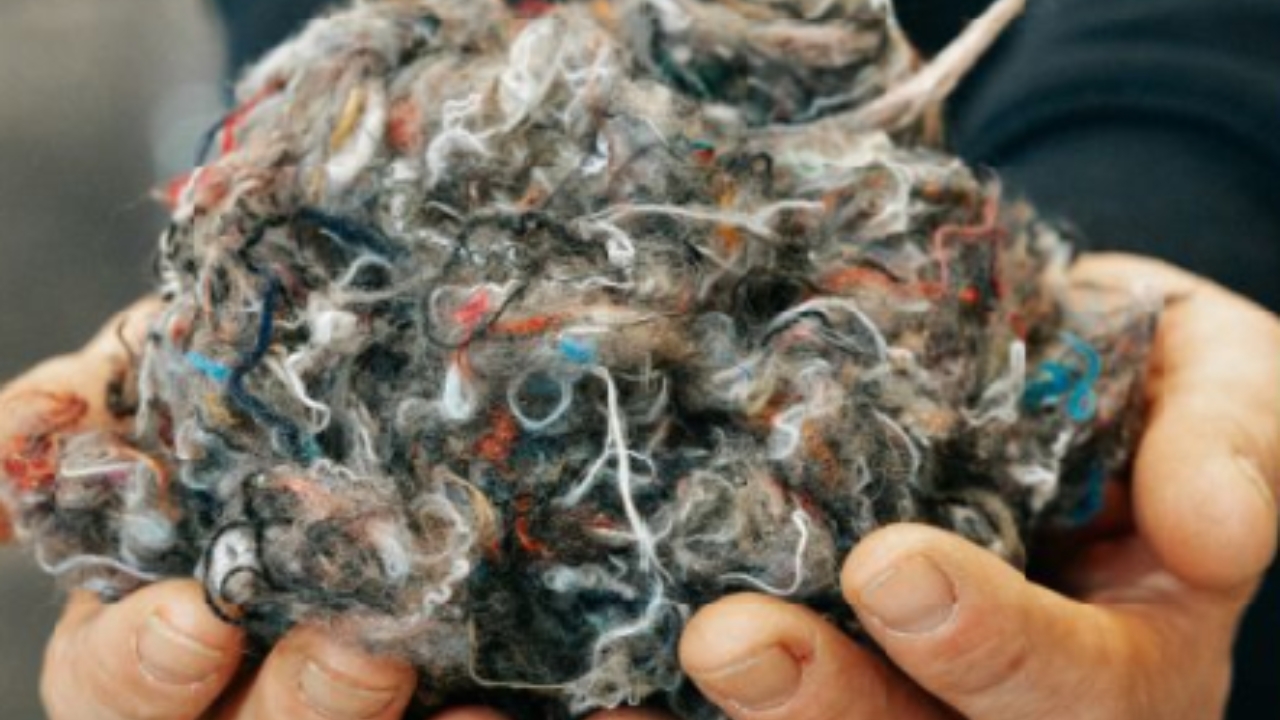
Every pod uses at least 100% recycled or biodegradable inputs. Ecolution repurposes post-consumer textiles, reclaimed wood, and recycled plastics. Sustainable fabric choices are available for upholstered pieces, allowing for customization while supporting eco-friendly design. These materials meet performance standards while cutting virgin-resource needs.
Design for Disassembly and Take-Back Programs
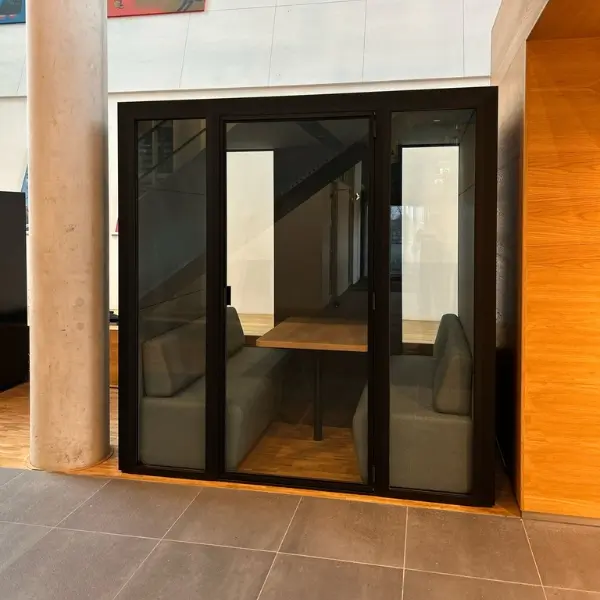
Ecolution designs pods so you can dismantle them easily at end of life. Each component snaps or bolts apart without damage. This allows for refurbishing or decommissioning. Refurbishing or decommissioning extends the life of furniture, reduces waste, and supports sustainable practices within the circular economy model. This model keeps materials circulating and avoids landfill disposal.
Transparency Tools: From EPDs to Eco-Passports
Environmental Product Declarations (EPDs)
Ecolution Design’s Eco-Passports
Ecolution adds an Eco-Passport to each pod. It lists every material and its source. It shows recycled-content percentages and transport impact. You see how much carbon the pod emits from raw materials to delivery. This level of detail builds trust and supports your ESG reports.

Calculating Return on Investment (ROI) for Circular Furniture
Total Cost of Ownership vs. Fast Furniture
Fast furniture may cost less up front but wears out in 3–5 years. Circular products last 10–15 years with refurbishment options. Over a 10-year span, you spend up to 40% less on replacement and disposal.
Productivity and Wellness Gains
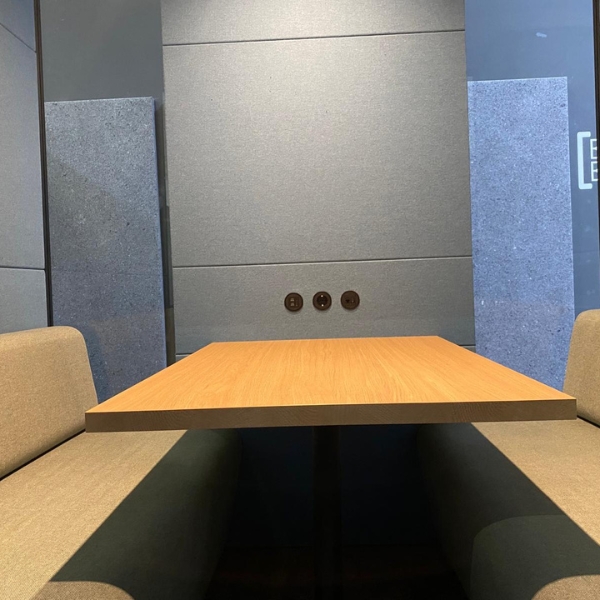
Studies link well-designed acoustic pods to a 15% boost in employee focus and a 10% reduction in sick days from lower noise and better air quality. Choosing circular economy commercial furniture can pay off in staff performance and health.
Step-by-Step Guide to Transitioning Your Workspace
Conduct a Waste and Carbon Audit
List all existing furniture and track its weight, material, and age. Use simple tools or hire a consultant. Calculate current disposal and transport emissions.
Set Circular Procurement Policies
Define rules to favor repairable, recyclable products. Require suppliers to offer take-back, refurbishment, or decommission services. Include recycled-content minimums.
Partner with Certified Circular-Economy Suppliers
Choose vendors with EPDs or Eco-Passports. Verify their disassembly and take-back programs. Confirm local production to cut transport impacts.
Train Facilities and Purchasing Teams
Hold a workshop on circular-economy benefits and procedures. Share audit results and policy details. Give clear checklists for ordering, returning, and reporting.
Common Challenges and How to Overcome Them
Budget Constraints and Financing Models
Switching to circular furniture can require higher initial spending. Mitigate costs by using product-as-a-service models. Lease or rent furniture to spread payments over time and include refurbishment in the contract.
Managing Supply-Chain Transparency and Verification
Gathering reliable data from suppliers takes effort. Use standardized tools like EPDs and Eco-Passports to compare offers. Audit suppliers periodically and require third-party verification for key materials.
Change Management and Stakeholder Buy-In
Staff and leadership may resist new procurement rules. Present clear audit results and ROI data. Showcase successful case studies. Offer pilot programs in one department before scaling across the organization.
Future Trends in Circular Economy Commercial Furniture
Smart Lifecycle Tracking
IoT sensors and QR codes will let you monitor furniture use, maintenance needs, and end-of-life status in real time. This data guides timely repairs and returns for recycling.
Modular, Configurable Office Pods
Demand for flexible workspaces will drive more modular pod designs. Firms will mix and match components to fit changing team sizes and functions, extending product life.
Expansion of Carbon-Efficiency Labels
More manufacturers will adopt carbon-efficiency ratings alongside EPDs. These labels will factor in lifespan and space used, giving a fuller picture of true environmental impact.
Growth of Product-as-a-Service Models
Leasing models will gain traction as companies seek to avoid ownership risks. Circular-economy suppliers will offer subscription plans covering maintenance, upgrades, and end-of-life recovery.
Embrace Circular Economy Commercial Furniture
Adopting circular economy commercial furniture cuts waste, lowers carbon, and boosts brand value. While traditional furniture styles are known for their elegant, timeless appeal and classic craftsmanship, they often rely on resource-intensive materials and processes. Choosing sustainable options like circular economy furniture offers clear cost savings over time and improves employee well-being. Ecolution Design’s American-made pods, built from 100% recycled materials and backed by transparent Eco-Passports, show how this model works in practice.
Ready to make the shift? Request Ecolution Design’s Eco-Passport reports for your next project. See detailed material breakdowns, lifecycle data, and carbon metrics. Partner with us to build workspaces that meet today’s needs and protect tomorrow’s resources.
Get in touch with our team to explore circular solutions and start your sustainable procurement plan.
- Visit our Collection Page
- Download Eco-Passport PDFs
- Contact a Ecolution Design representative
Let’s create workspaces that last, together!