Rising Costs Demand Cost-Efficient Office Design
Office rent keeps climbing. CBRE expects U.S. leasing costs to rise another 5% in 2025 as prime space grows scarce. At the same time, tariffs on imported furniture now add up to 145% for some items, pushing build-out prices higher than ever. Yet only about one in four employees sits in the office full-time; most teams toggle between home and headquarters. These shifts are transforming workplaces, as organizations increasingly adopt a hybrid work model to balance remote and in-person collaboration. In this post, we'll take a look at: These trends squeeze every square foot. Companies that fail to adapt pay more for space that delivers less output. Workplaces must adapt quickly to support hybrid work models and evolving team needs, ensuring flexibility in office layouts and usage. A cost-efficient office design flips that math. It trims real-estate spend while giving people quiet pods for focus, flexible zones for teamwork, and tech-ready areas for hybrid calls so productivity rises faster than rent. A company’s ability to adapt its office design directly impacts its competitiveness in today’s dynamic environment. Learn how forward-thinking firms use data, modular furniture, and circular materials to reach that goal. You will see clear steps, real numbers, and product ideas tested in the field. The result: an office that earns its keep today and stays future-ready tomorrow. CBRE reports that base rents for top-tier U.S. office buildings grew 3.1% and effective rents 5.2% since 2023, even while lower-tier buildings struggled. Prime space is scarce, so many firms now pay more per square foot than before the pandemic.
Furniture shipped from international markets face import duties, changing by the day, as high as 145%, forcing price hikes of 20–50% on common finishes and fabrics. These surcharges flow straight into project budgets, making every redesign heavier on cash and time.
Only 66% of new job postings are fully on-site; the rest offer hybrid or remote options. That means many desks sit empty several days a week, driving up the cost of each occupied seat.
A cost-efficient office design uses every square foot well and lifts output per person. Three clear tests: Key ingredients: When these parts work together, rent and fit-out costs fall while work speed climbs, a win on both sides of the ledger for any cost-efficient office design. Gathering employee feedback is a cornerstone of effective office space optimization. Facility managers who actively seek employee input, through targeted employee surveys and ongoing data collection, gain valuable insights into how physical space is actually used and what improvements matter most to their teams. Analyzing space utilization patterns and listening to employee feedback, companies can identify underused areas, understand how much space is truly needed, and uncover opportunities to enhance productivity and well-being. Involving employees in the design process not only leads to smarter, more tailored office spaces, but also boosts morale and job satisfaction. When businesses prioritize employee experience and create a workspace that reflects the needs and working styles of today’s workforce, they foster a more positive work environment, encourage collaboration, and improve talent retention. Effective space optimization works best when it balances the diverse needs of different teams and individuals, making employee feedback essential for creating a productive and adaptable office. Making employee surveys and feedback a regular part of the office design process, companies can ensure their workspace evolves alongside their business, supporting both operational efficiency and employee well-being.
Occupancy dashboards tell you which rooms sit empty and which stay packed. JLL finds that trimming a floorplan by 20% after a space-use study can save 12–15 % across total occupancy costs. Sensors and badge data also help teams repurpose quiet corners into high-value focus pods instead of paying rent for idle seats.
Activity-based settings with moveable benches, rolling tables, height-adjust desks, can shift quickly as head counts change. CBRE’s 2024 Fit-Out Guide notes that agile layouts let firms refresh space without full demolition, lowering fit-out spend compared with fixed private-office schemes. The result: fewer sunk costs when teams reorganize.
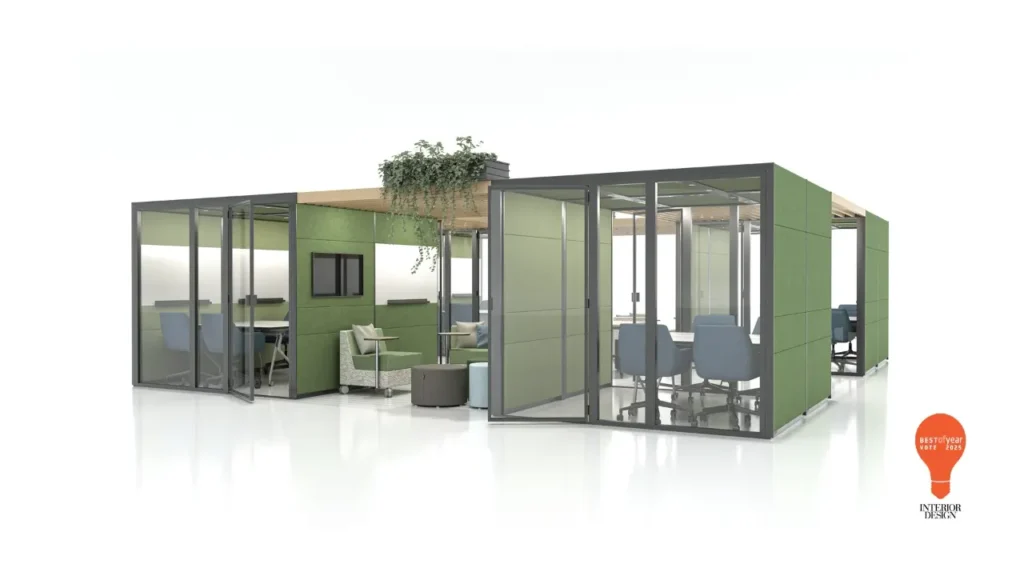
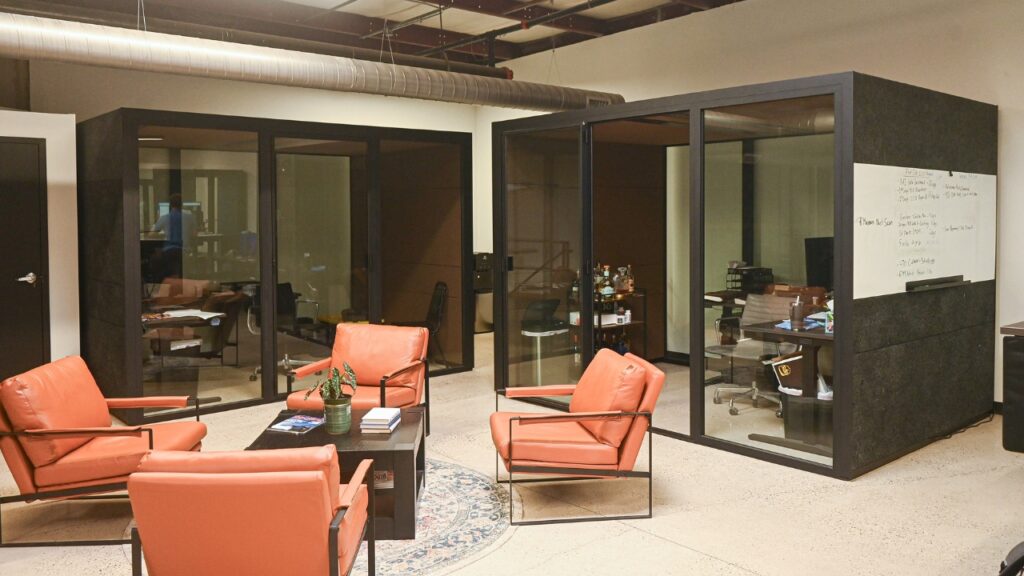
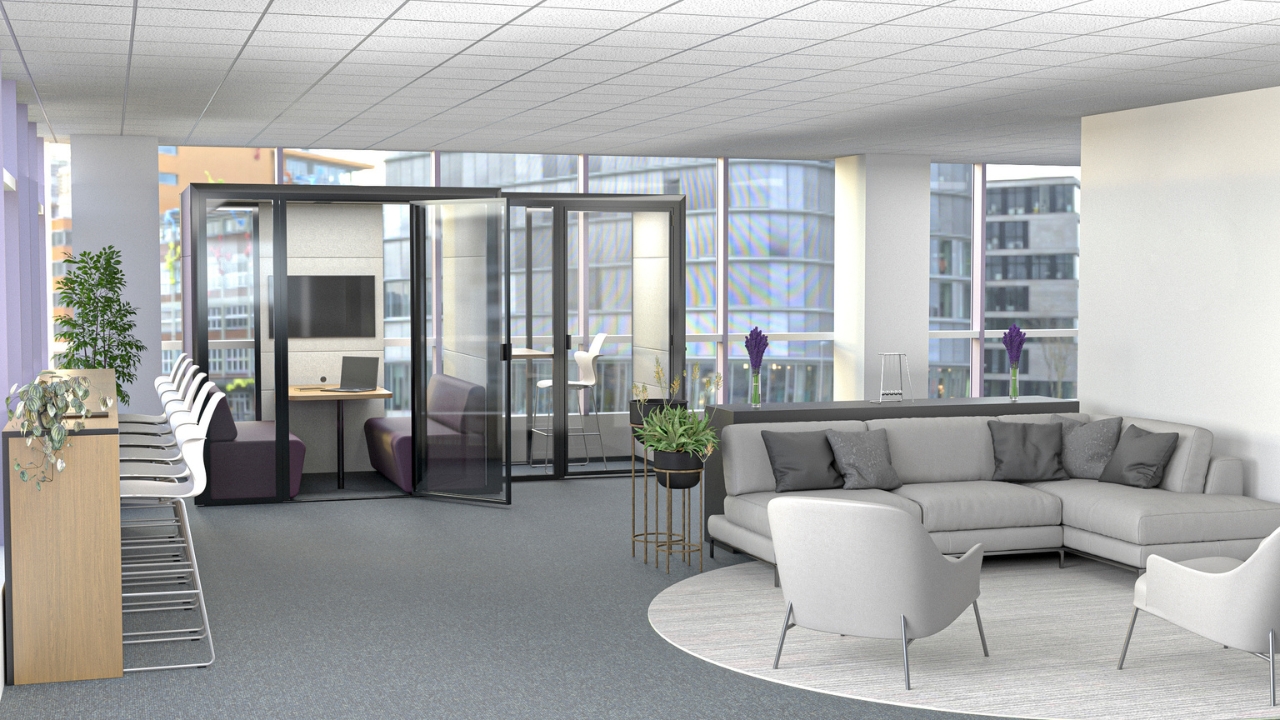
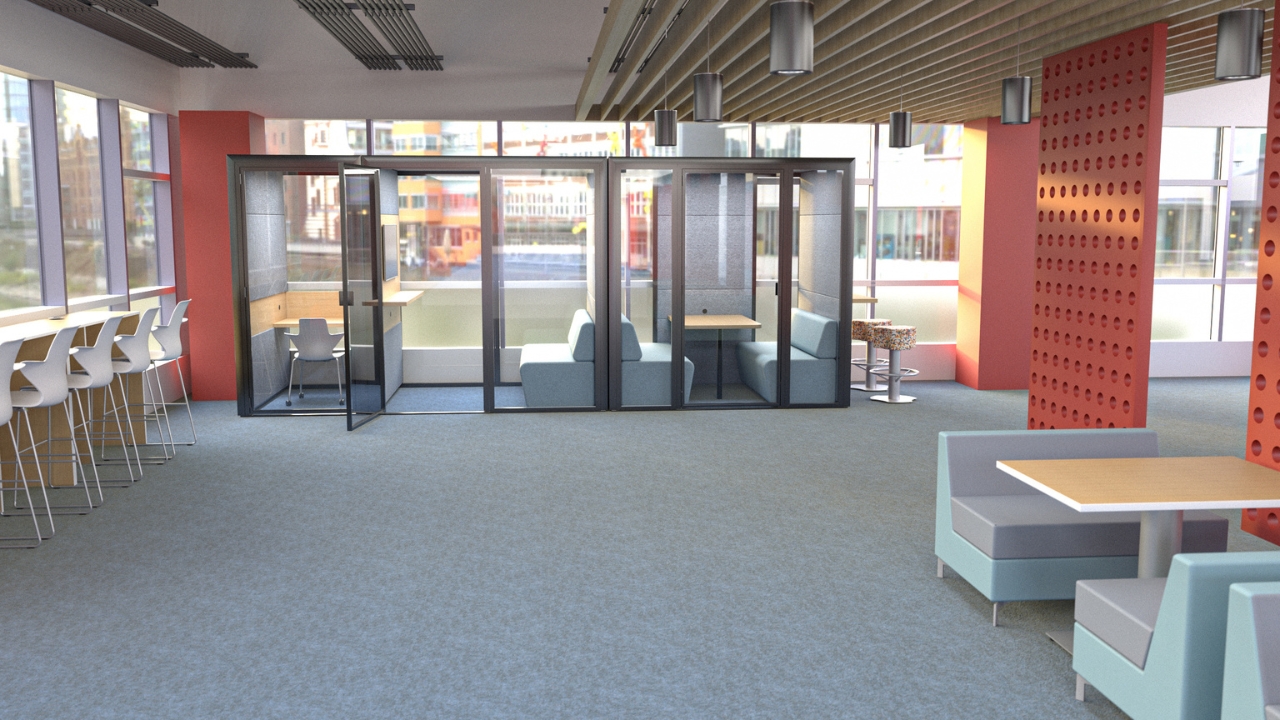
Drywall walls last half a century on paper, but companies tear them out every five to seven years. Pods from Ecolution Design connect together in hours and move when you do, slashing labor, permitting delays, and material waste. This approach creates a more adaptable and efficient office environment. Ecolution Design’s American-made Pods also dodge tariff spikes on imported lumber and metals, keeping budgets tight.
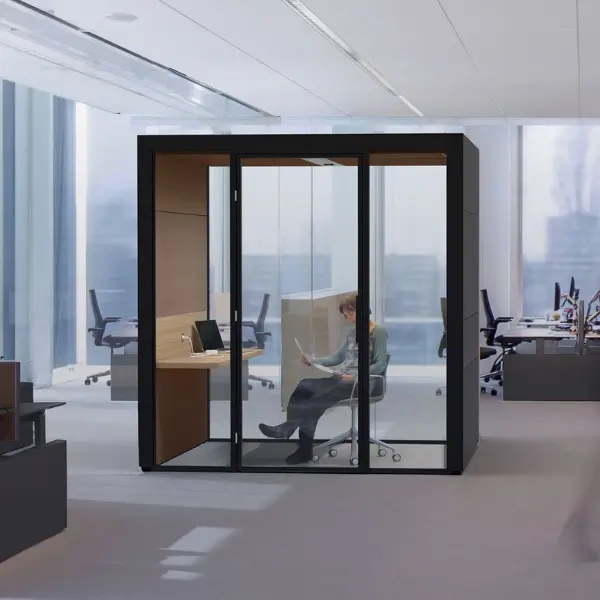
Noise strips focus. University of California research shows workers in loud offices lose 40% of their productive time. Sound-rated phone booths, privacy panels, and door seals return that time, lifting output without adding square feet.
Circular procurement, leasing or remanufacturing furniture from recyclable materials, cuts first-costs by up to 50% and keeps assets in play for decades. The Ellen MacArthur Foundation highlights modular desks that stay in service through multiple lives, reducing landfill waste and long-term spend. Choosing circular, low-carbon materials also has a positive environmental impact by supporting sustainability practices and reducing a company’s overall environmental footprint. Apply these five principles together and a cost-efficient office design emerges: one that shrinks rent, dodges tariff risks, and frees people to do their best work in every square foot.
Start with three numbers for each square foot: A Cushman & Wakefield guide puts the 2024 U.S. fit-out average at $153 / sq ft. Drywall and carpentry alone take 13% of that total. When firms replace one 120-sq-ft drywall room ($18k) with a movable pod, they free on average $9k to cut lease costs or fund tech upgrades. Add a 10% productivity gain from fewer noise interruptions and the payback window often drops below 12 months.
Pods, panels, and most modular workstations count as “tangible personal property.” U.S. tax law lets businesses expense up to $1.25 million of such gear in 2025 instead of depreciating it over seven years. This single-year write-off can cut the net cost of a pod by 22–30%, depending on your tax bracket. Faster recovery means faster ROI.
Combine rent saved, lower fit-out spend, productivity lift, and tax relief, and a cost-efficient office design often returns $1.50–$2.00 for every dollar invested within the first two years.
Follow these six steps, and a cost-efficient office design moves from idea to everyday reality, one that grows with your team instead of against your budget.
Space is now a strategic cost. Tariffs and hybrid schedules only raise the stakes. A cost-efficient office design turns this challenge into a gain. It slices rent, trims build-out spend, and boosts focus with flexible zones, modular pods, and data-driven moves. Firms that adopt this model see faster ROI, happier teams, and a workspace ready for change. Ecolution Design helps leaders reach that goal. Our American-made pods, circular materials, and design support let you cut costs today and stay agile tomorrow. Ready to start? Talk with an Ecolution Design specialist and turn every square foot into a profit center.
Why Office Costs Keep Climbing
Real-estate Prices Keep Rising
Tariffs Inflate Build-out Budgets
Hybrid Work Leaves Space Idle
What Makes an Office Cost-Efficient?


Gathering Employee Feedback for Smarter Design
Five Principles of Cost-Efficient Office Design
1. Let Data Guide Every Layout
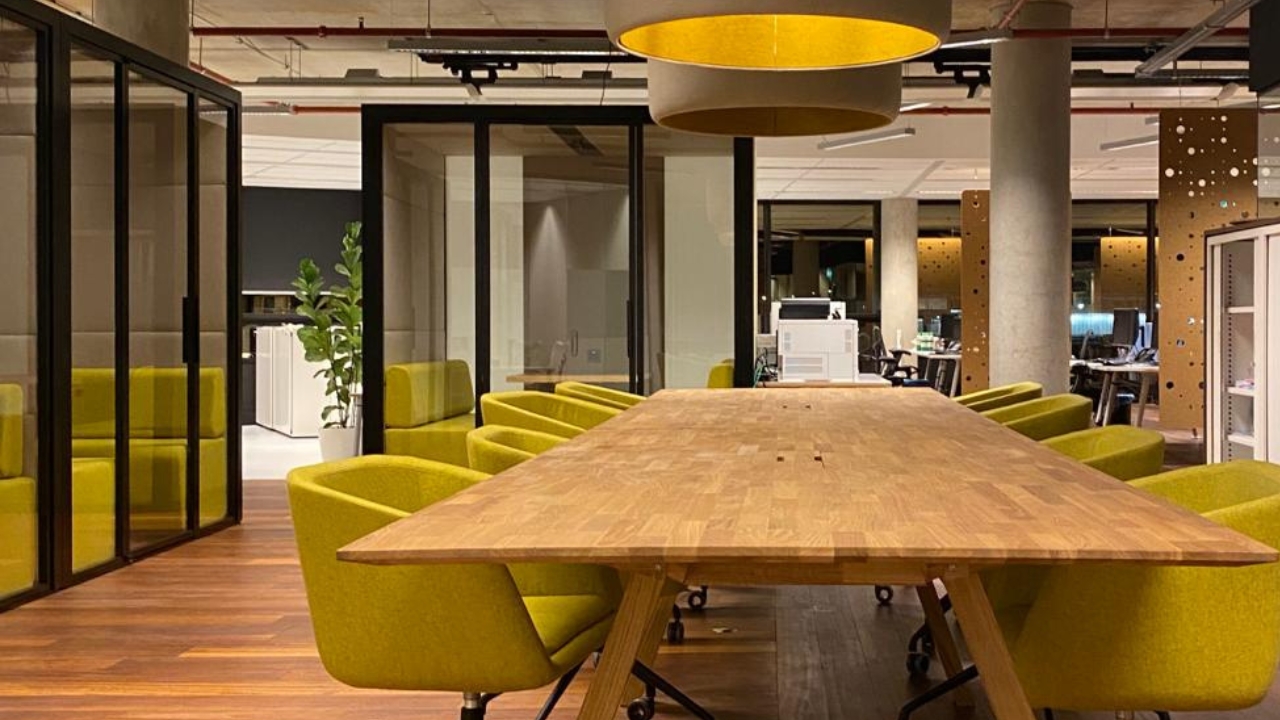
2. Build Flexible Zones with Agile Furniture
3. Swap Drywall for Modular Pods
4. Prioritize Acoustic and Visual Privacy
5. Choose Circular, Low-carbon Materials

Proving the ROI: A Quick Cost Model
Section 179 Turbo-Charges Payback
Bottom-line Impact
Step-By-Step Redesign Roadmap
Spend Smart, Work Better