Workplace Burnout: Why It’s Real and How to Fix It
Burnout is a serious problem and a growing concern for employees and businesses alike. Whether working in an office or remotely, professionals face increasing demands, longer hours, and heightened stress. The result? Decreased productivity, mental and physical exhaustion, and disengagement from work.
In this post, we'll take a look at:
The modern workforce requires a shift in how companies approach work environments. Instead of prioritizing efficiency alone, businesses must focus on employee well-being to prevent burnout and foster long-term success. Creating human-centric workplaces—both in design and culture—can improve engagement, job satisfaction, and overall company performance.
This article explores the causes of workplace burnout and how businesses can create healthier, more engaging workspaces. From flexible office designs to employee-first cultures, we’ll cover actionable steps to help companies support their workforce, ensuring employees feel motivated, valued, and productive.
Understanding Workplace Burnout
What Is Workplace Burnout and Its Impact on Mental Health?
Job burnout, or workplace burnout, is a persistent state of physical and mental exhaustion resulting from prolonged work-related stress. It goes beyond feeling tired or overwhelmed—burnout leads to reduced efficiency, emotional detachment, and a declining sense of accomplishment. The World Health Organization (WHO) recognizes burnout as an occupational phenomenon, emphasizing its impact on employee well-being and workplace productivity.
Symptoms and Signs of Burnout
Burnout is a state of emotional, mental, and physical exhaustion caused by prolonged stress, overwork, and lack of balance in life. Recognizing the symptoms early can help prevent further damage to one’s mental and physical health. Common indicators of burnout include:
- Chronic fatigue and exhaustion: Feeling constantly tired and drained, even after a full night’s sleep.
- Cynicism and detachment: Developing a negative attitude towards work and feeling disconnected from colleagues and tasks.
- Reduced productivity and performance: Struggling to complete tasks efficiently and effectively.
- Increased absenteeism and tardiness: Frequently missing work or arriving late due to lack of motivation.
- Physical symptoms: Experiencing headaches, stomach problems, and sleep disturbances.
- Emotional symptoms: Feeling irritable, anxious, or depressed.
- Lack of motivation and interest: Losing enthusiasm for work and other activities.
- Increased conflicts: Having more disagreements with coworkers and family members.
Recognizing these signs early on is crucial for taking steps to address and mitigate burnout, ensuring better mental and physical health.
Workplace Burnout Statistics and Trends
Burnout has become more prevalent in recent years, with remote and hybrid work models blurring the boundaries between work and personal life. Studies show:
- 44% of employees report feeling burned out at work. (Source: SHRM)
- Employees experiencing high levels of burnout are 2.6 times more likely to actively seek another job. (Source: Gallup)
- Remote workers are more likely to work longer hours and feel isolated, contributing to increased fatigue. (Source: APA)
A systematic review of existing research is crucial to understanding burnout trends and informing effective interventions. Companies must recognize these challenges and implement proactive strategies to create work environments that prioritize well-being, engagement, and flexibility.



The Root Causes of Workplace Burnout and Job Stress
Lack of Work-Life Balance
One of the biggest contributors to burnout is the inability to separate work from personal life. Employees who are expected to be constantly available—whether through emails, instant messaging, or after-hours meetings—struggle to unplug and set boundaries. Over time, this erodes personal time, increases stress, and leads to mental exhaustion.
Remote and hybrid workers often face an even greater challenge. Without a clear boundary between work and home life, many work longer hours, leading to fatigue, decreased productivity, and emotional detachment.
Poor Workplace Culture and Engagement
A company’s work culture directly affects employee well-being. When employees feel undervalued, unsupported, or disconnected from their team, they are more likely to experience burnout. Factors contributing to low engagement and workplace stress include:
- Lack of recognition: Employees who feel their contributions are unnoticed lose motivation.
- Minimal autonomy: Strict micromanagement can lead to frustration and mental exhaustion.
- Limited opportunities for connection: Without strong team dynamics and regular interaction with co-workers, employees feel isolated, especially in hybrid or remote settings.
Office Design and Its Role in Burnout
A poorly designed workspace can exacerbate burnout by making employees feel uncomfortable, distracted, or uninspired. Factors that contribute to burnout-inducing office environments include:
- Lack of privacy: Open offices can be overwhelming and noisy, reducing focus and increasing stress, ultimately wasting productive hours.
- Poor ergonomics: Uncomfortable furniture and improper workstation setups lead to physical strain.
- Rigid workspaces: Work environments that do not accommodate different work styles limit employee flexibility and well-being.
How Ecolution Design Supports Human-Centric Office Spaces
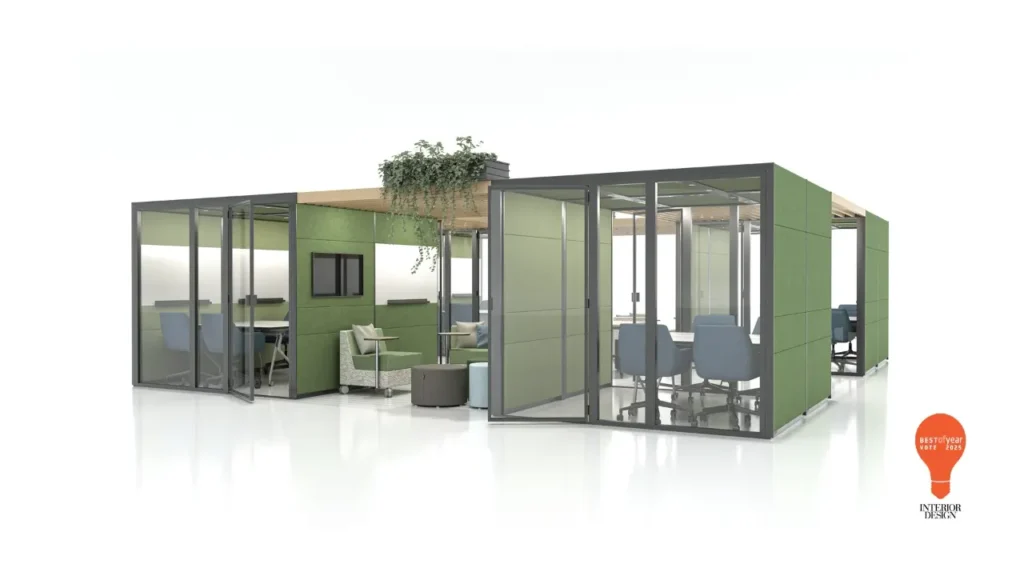
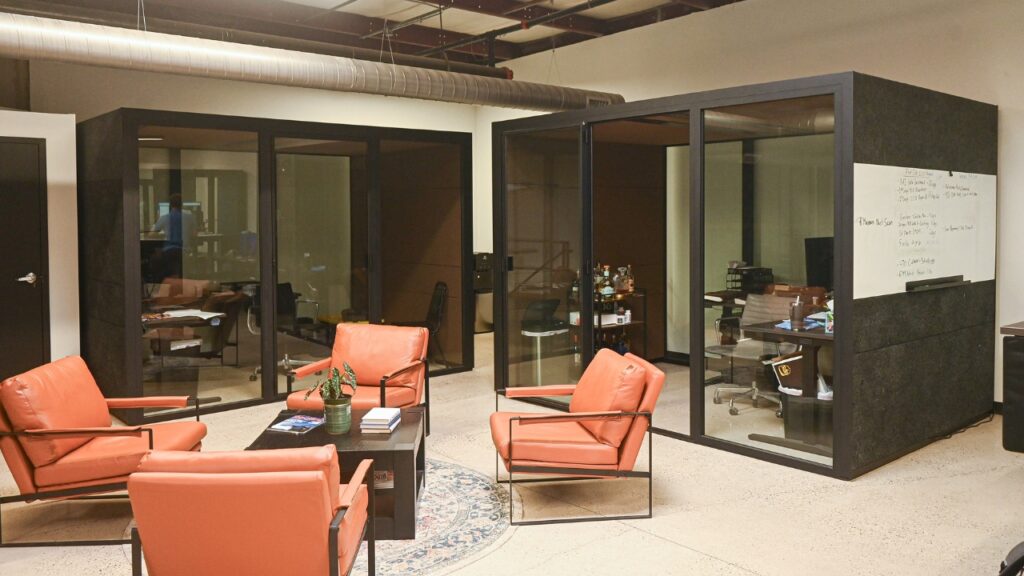
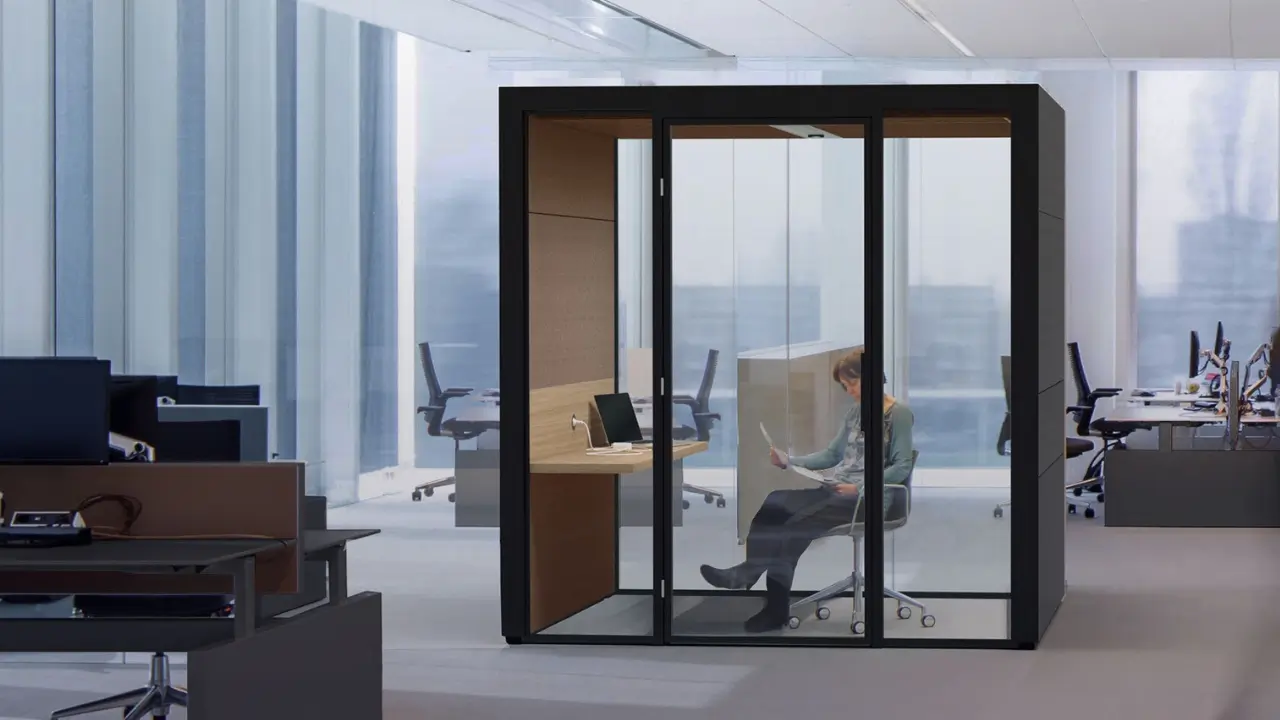
Companies looking to reduce burnout and improve professional life through office design can turn to Ecolution Design’s modular workspaces. Their Work Pods and Meeting Pods provide quiet, private spaces within open-office environments, allowing employees to recharge, focus, and collaborate without distractions. These adaptable, flexible office solutions support employee well-being by offering comfortable, thoughtfully designed spaces that prioritize productivity and mental health.

How to Prevent and Address Workplace Burnout
The Role of Human-Centric Workplace Design
A well-designed workspace plays a crucial role in reducing stress and preventing burnout. A human-centric office prioritizes employee well-being, comfort, and flexibility. Key design elements that help mitigate burnout include:
- Flexible workspaces that allow employees to choose where and how they work.
- Private, quiet areas for focused tasks and mental breaks.
- Ergonomic furniture to support physical health and reduce strain.
Pods address these needs by offering acoustic privacy, comfortable interiors, and modular layouts that adapt to various work styles. These employee-first office solutions help create a work environment that supports both productivity and well-being.
Creating a Culture of Work-Life Balance
Companies that encourage healthy boundaries between work and personal life see higher employee engagement and retention. Steps to promote a better work-life balance include:
- Encouraging structured breaks to prevent mental fatigue.
- Offering flexible work hours to accommodate different lifestyles.
- Normalizing time off to prevent employees from feeling guilty for using PTO.
Businesses that integrate these strategies into their policies help reduce burnout and foster a culture of respect and trust.
Leadership’s Role in Preventing Burnout and Promoting Emotional Well-Being
Managers and executives play a direct role in shaping workplace culture. Leaders can help prevent burnout by:
- Recognizing employee contributions to boost morale and motivation.
- Encouraging open communication so employees feel heard and supported.
- Providing mental health resources to ensure employees have the tools they need to manage stress.
When leadership actively prioritizes employee well-being, burnout levels decrease, and workplace satisfaction improves.



Rethinking the Traditional “Office”
Is It Time for a New Name for the Office?
The way we work has changed, but the word “office” still carries traditional expectations—fixed desks, rigid schedules, and long hours under fluorescent lights. Many companies are rethinking how they define the workplace, shifting towards more dynamic, flexible environments. Some are even renaming their office spaces to reflect a culture of creativity, collaboration, and well-being. Forward-thinking businesses now use terms like:
- Innovation Hub: A space dedicated to problem-solving and idea generation.
- Collaboration Center: A workplace designed around teamwork and communication.
- Wellness Workspace: An office that integrates physical and mental health considerations.
Redefining what the office means, companies can shift employee mindsets from stress and obligation to engagement and belonging.
Creating a Sense of Belonging in the Workplace
A strong sense of belonging can help employees feel valued, motivated, and connected, reducing feelings of isolation and disengagement—two key drivers of burnout. Companies can foster this culture by:
- Providing collaborative spaces where employees can engage with their peers.
- Encouraging social interactions to strengthen team dynamics.
- Designing office layouts that prioritize community-building rather than isolating cubicles.
Meeting Pods play a significant role in enhancing workplace belonging by offering adaptive, inviting spaces that cater to both collaboration and individual focus. These modular solutions help create an office environment that supports engagement, teamwork, and well-being.
Remote Work and Burnout: Finding the Right Balance
The Challenges of Work-From-Home Burnout
While remote work offers flexibility and autonomy, it also presents unique challenges that contribute to burnout. Without a clear separation between work and personal life, employees often:
- Work longer hours without structured breaks.
- Feel isolated due to a lack of in-person interaction with co-workers.
- Experience digital exhaustion from back-to-back virtual meetings.
These factors lead to increased stress, decreased engagement, and a higher risk of burnout among remote employees.
Solutions for Work-From-Home Employees
To combat burnout in remote settings, companies must proactively support their employees’ well-being. Effective strategies include:
- Setting clear work boundaries: Encouraging employees to define work hours and unplug after their shift.
- Promoting virtual team engagement: Hosting online social events and check-ins to maintain team morale.
- Encouraging ergonomic home office setups: Providing stipends for ergonomic furniture to prevent physical strain.
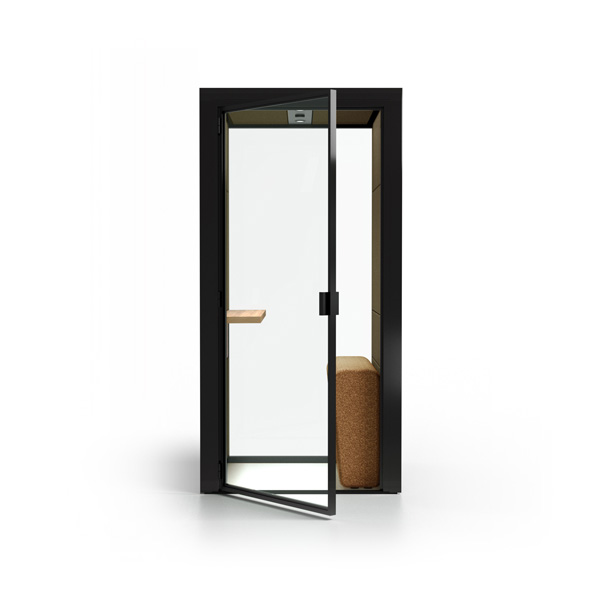
Flex Pods offer dedicated, distraction-free environments that help remote and hybrid workers maintain focus and productivity while avoiding the fatigue of working in open, noisy home settings.
When implementing well-being-focused remote work strategies, businesses can ensure higher engagement, lower stress levels, and improved job satisfaction among employees.


The Future of Work: A Burnout-Free Workplace
What Companies Can Do to Reshape Workplace Culture
Organizations that prioritize employee well-being will be the most successful in preventing burnout. To build a healthier, more sustainable work culture, businesses should:
- Implement flexible work models that empower employees to decide when and where they work most effectively.
- Design workspaces that support both collaboration and focus, ensuring employees have access to quiet spaces when needed.
- Prioritize mental health and well-being initiatives, offering resources, counseling, and stress management programs.
How Flexible Work Models Reduce Stress
The traditional 9-to-5 work structure is no longer effective for every employee. Hybrid and remote work options allow for personalized productivity, where employees can optimize their schedules to fit their energy levels and responsibilities.
Companies that embrace human-centric workplace solutions, create adaptive, supportive environments that help employees thrive. Office Pods provide distraction-free spaces where employees can focus, recharge, and collaborate without added stress.
The Need for Continued Evolution in Office Design and Work-Life Balance
The workplace will continue to evolve, and businesses that stay ahead of these changes will see higher employee retention, engagement, and satisfaction. Future-forward office designs will emphasize:
- Employee autonomy: Giving individuals control over their schedules and workspaces.
- Wellness-focused design: Integrating natural light, ergonomic seating, and stress-reducing layouts.
- A mix of private and shared spaces: Supporting both independent and team-based work.
Rethinking traditional workplace models and prioritizing well-being, companies can create environments that energize employees rather than exhaust them.
A Workplace Where People Thrive
Workplace burnout is a real challenge that affects productivity, engagement, and overall well-being. Whether in an office or working remotely, employees need supportive environments that prioritize their mental and physical health.
Creating a workplace where employees feel valued, motivated, and engaged starts with human-centric design, a culture of inclusion, and adaptable work models. Companies should be empowered to rethink office layouts, fostering the right mix of focus, collaboration, and well-being. Businesses that prioritize thoughtful workplace design, strong leadership support, and sustainable work-life balance strategies will cultivate a thriving workforce, driving retention, morale, and long-term success—because a workplace free from burnout isn’t just ideal, it’s the future.