Designing for Sustainability: A Shift Towards Sustainable Office Interiors
In today’s rapidly evolving business landscape, the concept of sustainability is no longer a mere buzzword; it’s a guiding principle shaping the way companies design their office interiors. From environmentally friendly materials to socially conscious layouts, contemporary workplaces are undergoing a transformation towards greater sustainability. This shift is driven by a growing awareness of the environmental and social impact of our choices, as well as an increasing demand from consumers for products and sustainable office interiors that align with their values.
In this post, we'll take a look at:
The Rise of Sustainability Certifications
One of the key drivers behind the push for sustainable office interiors is the proliferation of certifications such as WELL and LEED. These certifications set rigorous standards for building design and construction, with a focus on factors such as indoor air quality, energy efficiency, and the use of sustainable materials. As more companies seek to attain these certifications, there’s been a noticeable shift towards making environmentally and socially responsible choices in office design.
According to the U.S. Green Building Council, buildings are responsible for 39% of CO2 emissions in the United States, and LEED-certified buildings have been shown to emit 34% less CO2 than their non-certified counterparts. This statistic underscores the significant impact that sustainable office interiors can have on reducing carbon emissions and mitigating climate change.

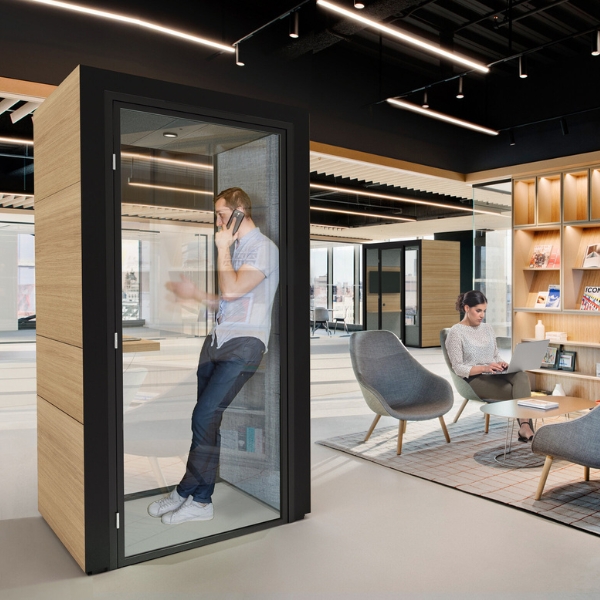
Meeting Consumer Demand for Sustainable Office Interiors
In addition to regulatory pressures and industry standards, consumer demand is also driving the shift towards sustainable office interiors. Today’s consumers are more environmentally and socially conscious than ever before, and they expect the companies they support to share their values. A study by Nielsen found that 66% of consumers are willing to pay more for products and services from companies that are committed to positive social and environmental impact.
This consumer demand for sustainability extends beyond the products a company sells to the spaces in which they work. Employees are increasingly seeking out employers who prioritize sustainability and environmental stewardship. A survey by Cone Communications found that 76% of Millennials consider a company’s social and environmental commitments when deciding where to work, highlighting the importance of sustainable office interiors in attracting and retaining top talent.
Examples of Sustainable Office Interiors
Numerous companies are leading the way in sustainable office design, setting a precedent for others to follow. For example, Adobe’s headquarters in San Jose, California, achieved LEED Platinum certification by incorporating features such as solar panels, recycled materials, and energy-efficient lighting systems. The building’s design also prioritizes employee well-being with ample natural light, green spaces, and ergonomic workstations.
Similarly, Google’s offices around the world are known for their innovative and sustainable design features. At their campus in Mountain View, California, Google utilizes advanced HVAC systems, rainwater harvesting, and extensive green roofs to minimize environmental impact. The company also prioritizes employee health and wellness with amenities such as on-site fitness centers, healthy food options, and biophilic design elements.
The Future of Sustainable Office Interiors
As companies continue to prioritize sustainability in their office interiors, the future looks promising for environmentally and socially conscious design. By leveraging certifications like WELL and LEED, as well as responding to consumer demand for sustainability, companies can create workplaces that not only enhance employee productivity and well-being but also minimize their environmental footprint.
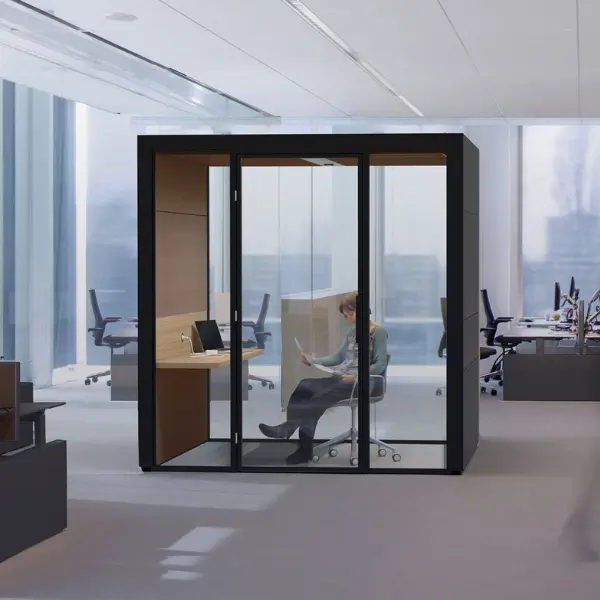

Embracing Sustainable Office Interiors
The shift towards sustainable office interiors represents a positive step towards a more environmentally and socially responsible future. By incorporating sustainable design principles into their workplaces, companies can demonstrate their commitment to both their employees and the planet. As the demand for sustainability continues to grow, it’s clear that sustainable office design is no longer just a trend; it’s a new path forward.
The Impact of Sustainable Office Interiors
Designing sustainable office interiors is more than just an aesthetic choice; it’s a commitment to environmental stewardship and social responsibility. By adopting sustainable practices, companies can create healthier, more productive work environments while also contributing to the broader goal of sustainability. The time to embrace sustainable office interiors is now, paving the way for a brighter, more sustainable future for all.