
Enhancing Workplace Well-Being: How Agile Design in the Workplace Creates Office Sanctuaries
In today’s rapidly evolving work environment, the modern agile workplace is no longer just a space where tasks are completed; it’s a dynamic ecosystem that significantly impacts employee well-being and productivity. With the rise of hybrid work models, a renewed focus on mental health, and the ongoing return to office spaces, organizations are reimagining their workspaces to meet diverse needs. With a focus on the employee experience, intuitive and agile design can transform workplaces into sanctuaries that foster employee wellbeing and efficiency.
In this post, we'll take a look at:
The Importance of Varied Office Space
Traditional open-plan offices, once hailed for promoting collaboration, have revealed significant limitations. Excessive noise and lack of privacy in the physical workplace can hamper productivity and increase stress levels among employees. To address these challenges, organizations are shifting towards creating balanced environments that offer a variety of spaces catering to different work styles and needs.
Employee Engagement
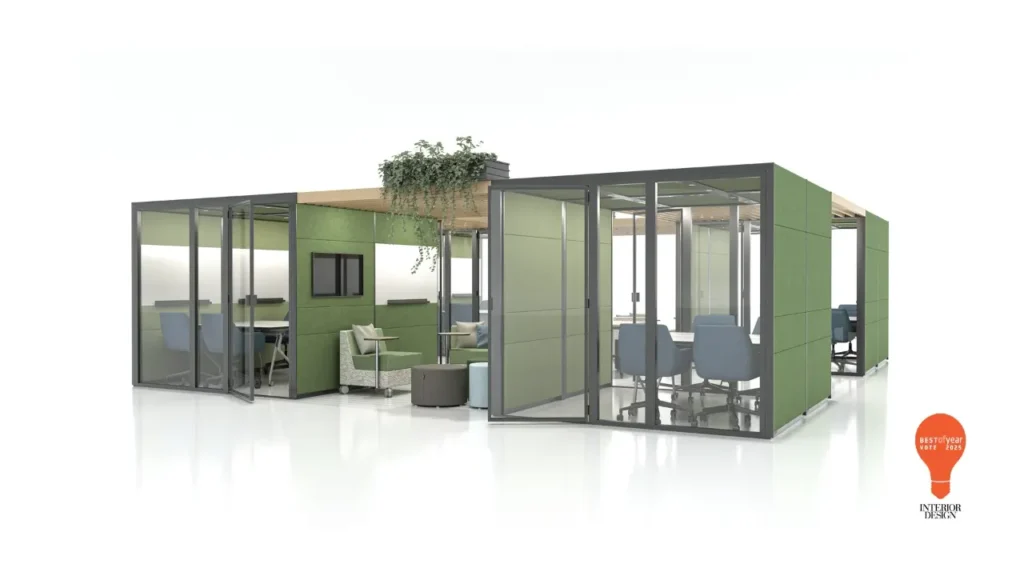
Effective teamwork doesn’t always necessitate vast open spaces. Agile design principles advocate for flexible collaboration areas that can be easily adapted to various tasks. Features of such spaces include:
Movable Partitions: Allowing teams to reconfigure spaces on-demand.
Modular Furniture: Providing versatility for different group sizes and activities.
Multi-functional Rooms: Serving as hubs for meetings, workshops, or casual brainstorming sessions.
These elements empower teams to shape their environment to suit specific projects, enhancing collaboration in an ever-changing work landscape. In a hybrid work environment, these flexible collaboration areas are essential for accommodating both in-office and remote team members.
Calm Spaces
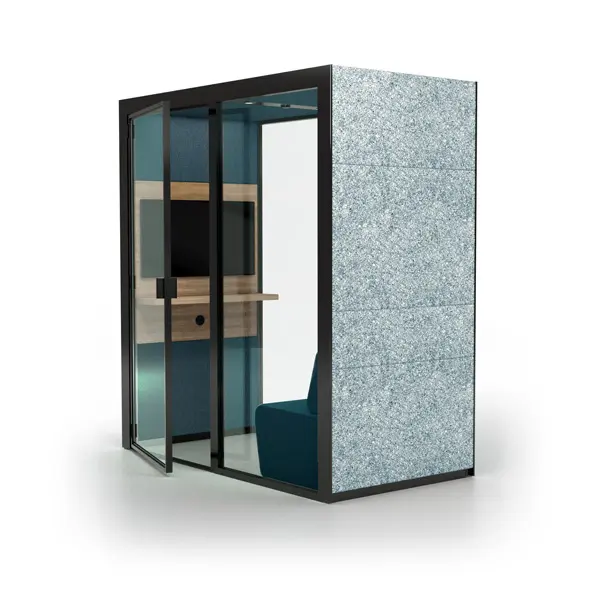
Equally vital are areas dedicated to tranquility and focus. Access to quiet, calm spaces can significantly reduce workplace stress and improve overall well-being. Incorporating the following elements can create such sanctuaries:
Natural Light: Boosts mood and energy levels.
Indoor Plants: Enhances air quality and provides a connection to nature.
Soft Furnishings: Offers comfort and reduces noise levels.
Creating these calm environments allows employees to recharge, promoting mental health and sustained productivity.
Quiet Spaces for Focus
While collaboration is essential, uninterrupted focus is equally crucial for tasks requiring deep concentration or creative thinking. Providing designated quiet zones or individual work pods can:
Enhance Productivity: Minimizing distractions leads to better focus.
Improve Job Satisfaction: Accommodating different work styles boosts morale.
Support Mental Well-being: Offering spaces for solitude reduces stress.
Meeting Spaces for Existing Office Space
The one-size-fits-all approach to meeting rooms is obsolete in the modern workplace. Diverse interactions requires a agile office layout for a variety of meeting spaces, such as:
Small, Informal Areas: Ideal for spontaneous discussions and brainstorming sessions.
Formal, Private Rooms: Equipped with advanced technology for client presentations and confidential meetings.
With the rise of hybrid work, meeting dynamics have transformed. Organizations are investing in upgrading meeting room technology to facilitate seamless communication between in-office and remote team members.

The Future of Office Space
The future of office space is rapidly evolving, driven by the changing needs of employees and the rise of hybrid work models. As companies adapt to the new normal, they are rethinking their office spaces to prioritize flexibility, collaboration, and employee well-being. This shift is not just about accommodating remote work but also about creating environments that support diverse work styles and foster a sense of community.
In this new landscape, office spaces are becoming more dynamic and versatile. Organizations are moving away from rigid, one-size-fits-all layouts and embracing designs that can be easily reconfigured to meet the needs of hybrid workers. This includes incorporating more collaborative spaces, quiet zones, and areas for relaxation and socialization. By doing so, companies can create a work environment that enhances employee well-being and productivity, making the office a place where people want to be.
Definition of Agile Office Design
Agile office design refers to a flexible and adaptable workspace that can be easily reconfigured to meet the changing needs of employees. This design approach prioritizes collaboration, creativity, and employee happiness, and is often characterized by open spaces, quiet zones, breakout spaces, resource areas, and touchdown spaces.
Agile office design is all about creating a work environment that can evolve with the needs of the workforce. It allows for quick adjustments to the office layout, ensuring that the space remains functional and supportive of various work activities. Whether it’s a brainstorming session, a quiet period of focused work, or a casual team meeting, agile office design provides the right setting for every task.
Benefits of Agile Office Design
Agile office design offers numerous benefits, including increased employee productivity, improved collaboration, and enhanced employee satisfaction. By providing a variety of workspaces, employees can choose the environment that best suits their needs, leading to improved focus, creativity, and overall well-being.
One of the key advantages of agile office design is its ability to support different work styles. Employees can move between different areas depending on their tasks, whether they need a quiet space for concentration or a collaborative area for team projects. This adaptability increases productivity while also improving job satisfaction, giving employees a greater sense of control over their work environment.
Moreover, agile office design can foster a sense of community and collaboration. By creating spaces that encourage interaction and teamwork, companies can enhance employee engagement and build a more cohesive and motivated workforce.
Examples of Agile Workspace Layouts
Agile workspace layouts can take many forms, but common examples include:
Open Plan Spaces: Flexible seating and collaboration areas that encourage interaction and teamwork.
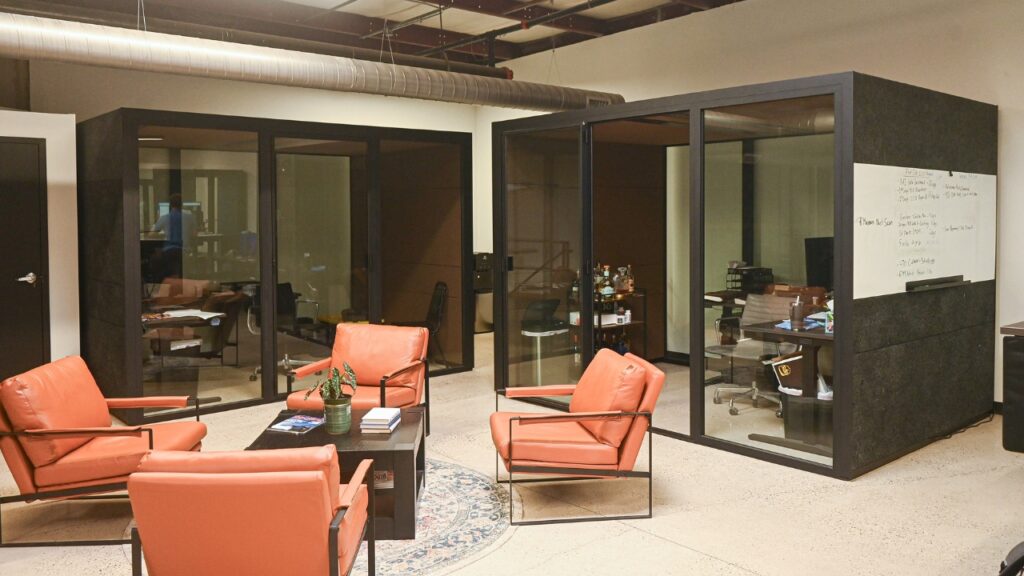
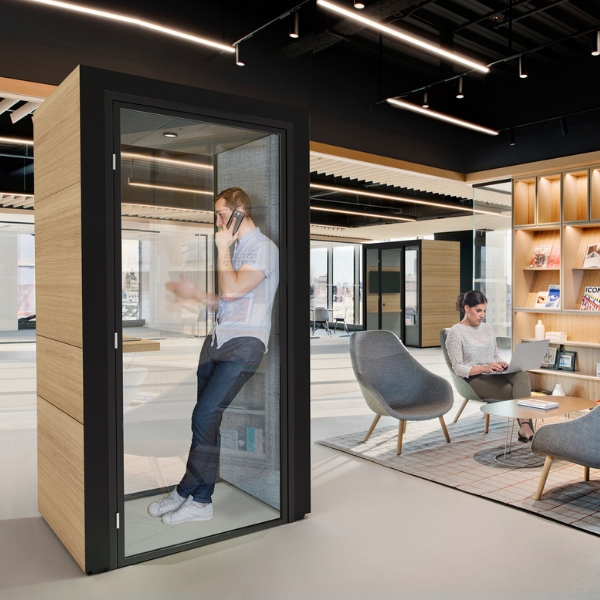
Quiet Zones: Sound-isolating phone booths or meditative spaces for focused work.
Breakout Spaces: Informal seating and snack areas for casual meetings and relaxation.
Resource Areas: Equipped with printers, scanners, and office supplies for easy access.
Touchdown Spaces: Simple workstations and standing desks for quick tasks and mobile workers.
These layouts are designed to support a variety of work activities and needs, ensuring that employees have the right environment for every task. By incorporating these elements, companies can create a more agile and adaptable workspace that enhances employee well-being and productivity.
The Role of Acoustics
Acoustic design plays a pivotal role in creating a comfortable work environment. Poor acoustics can lead to increased stress and decreased concentration. Implementing solutions such as:
Acoustic Panels and Soundproofing Materials: Reduce ambient noise.
Smart Layout Design: Strategically places noisy areas away from quiet zones.
Textiles with Acoustic Properties: Carpets, curtains, and upholstered furniture that absorb sound.
These measures contribute to a serene atmosphere conducive to both collaboration and focused work.
Embracing the Hybrid Work Model
The hybrid work model is becoming increasingly popular, offering employees the flexibility to work from home, in the office, or on-the-go. This approach prioritizes employee autonomy, productivity, and well-being, while also providing benefits for employers, including increased flexibility and reduced costs.
Embracing the hybrid work model means creating a work environment that supports both remote and on-site work. This includes investing in technology that facilitates seamless communication and collaboration, as well as designing office spaces that cater to the needs of hybrid workers. By doing so, companies can create a more agile, adaptable, and sustainable workforce, better equipped to meet the challenges of the modern business landscape.
Definition and Benefits of Hybrid Work Model
A hybrid work model offers a flexible arrangement that blends aspects of remote work with in-office work. The benefits of this approach include:
Increased Employee Productivity: Employees can choose the environment that best suits their work style, leading to better focus and efficiency.
Improved Work-Life Balance: Flexibility in work arrangements allows employees to better manage their personal and professional lives.
Reduced Costs: Companies can save on office space and other overhead costs by allowing employees to work remotely part of the time.
Enhanced Employee Engagement: Providing flexibility and autonomy can lead to higher job satisfaction and retention.
Increased Access to Talent: Companies can attract and retain a diverse workforce by offering flexible work arrangements.
By adopting a hybrid work model, businesses can cultivate a more agile and flexible workforce, better prepared to navigate the demands of today’s business environment. This approach not only enhances employee well-being and productivity but also supports a more sustainable and inclusive work environment.
Office Pods: A Hybrid Work Model
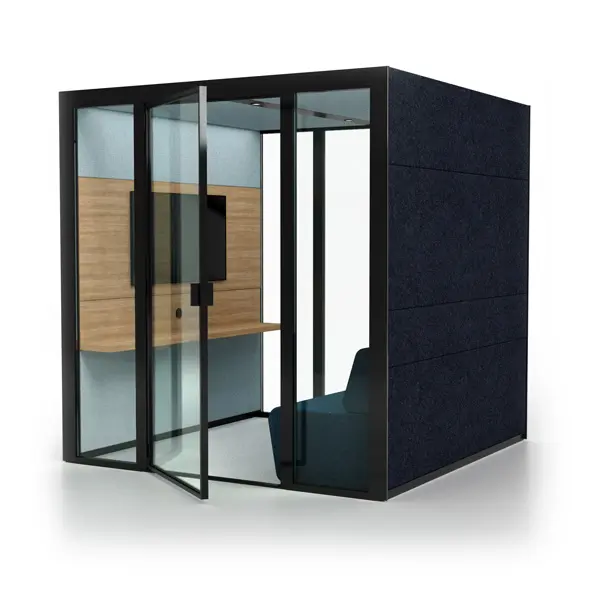
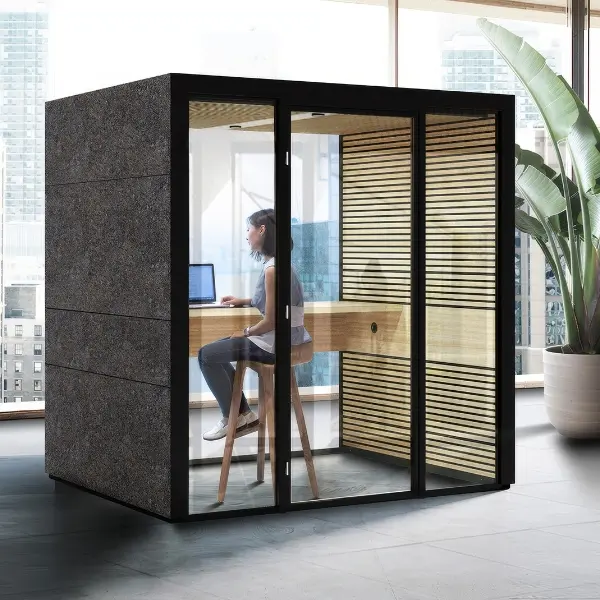
Office pods have emerged as a flexible solution to modern workplace challenges. These self-contained units offer:
Privacy for Focused Work: Ideal for tasks requiring deep concentration.
Spaces for Confidential Meetings: Secure environments for sensitive discussions.
Areas for Rest and Recharge: Quiet retreats for breaks and stress relief.
The demand for flexible, pod-based office solutions has surged as organizations seek to accommodate diverse employee needs in shared workspaces.

Supporting Technology and the Modern Meeting
As technology becomes increasingly integral to work processes, workspace design must evolve to support seamless integration. Embracing human-centered designs that focus on well-being includes:
Biophilic Design Elements: Incorporating natural materials and greenery.
Ergonomic Furniture: Reducing physical strain and enhancing comfort.
Intuitive Layouts: Facilitating easy navigation and accessibility.
Enhanced Acoustics: Creating a comfortable auditory environment to minimize distractions and improve focus.
These considerations ensure that the physical environment complements technological advancements, enhancing overall efficiency.
Agile Design in the Workplace
Creating workplace sanctuaries through intuitive and agile design is essential for fostering a healthier, more productive workforce. By providing varied spaces that cater to diverse needs—from collaborative areas to quiet zones—businesses can support employee well-being and adapt to the evolving landscape of work. Investing in thoughtful design not only enhances productivity but also contributes to a positive organizational culture where employees can thrive.