Agile Interiors: A New Frontier for Adaptable Workspaces Design
The concept of agile interiors is becoming increasingly important as companies strive to create adaptable workspaces that cater to a dynamic workforce. This shift is driven by the growing demand for flexibility and the need to accommodate diverse work styles. Unlike traditional offices with fixed setups and assigned desks, designing with agility in mind allows us to create spaces that can be easily reconfigured to meet the changing needs of employees and businesses alike.
In this post, we'll take a look at:
Understanding Agile Interiors
Agile interiors refer to the design and arrangement of office spaces that support various activities and work styles through flexibility. This approach is rooted in the principles of agility, emphasizing collaboration, responsiveness, and adaptability. Traditional office layouts, characterized by fixed cubicles, assigned desks, and rigid structures, are being replaced by open, fluid spaces that encourage interaction and creativity.
The Evolution of Flexible Office Space Design
The evolution of office design has been shaped by changing workforce demographics, technological advancements, and shifting employee expectations. In recent years, there has been a significant shift towards creating flexible and agile workspaces that cater to the diverse needs of modern employees. This shift is driven by the need for businesses to stay competitive, attract and retain top talent, and foster innovation and collaboration.
One of the key drivers of this evolution is the rise of flexible working. With the advancement of technology, employees are no longer tied to their desks and can work from anywhere, at any time. This has led to a shift towards creating workspaces that are flexible, adaptable, and responsive to the changing needs of employees. Flexible office design has become a key differentiator for businesses, enabling them to attract and retain top talent, improve productivity, and drive innovation.
Benefits of Agile Workspaces
Enhanced Collaboration: Agile workspaces promote better communication and teamwork by eliminating physical barriers. Open areas allow employees to interact easily, fostering a culture of innovation and collaboration.
Increased Employee Retention: Flexibility is a crucial factor in employee satisfaction. Studies indicate that a significant number of millennials prioritize the ability to choose where and when they work over salary. Agile interiors cater to this need by providing various work settings, from quiet zones for focused tasks to collaborative hubs for group projects.
Optimized Space Efficiency: Traditional office spaces often lead to wasted real estate, with unused desks and meeting rooms. Agile interiors optimize space utilization by allowing companies to adapt their layouts based on current needs, reducing costs and environmental impact. Additionally, the collaborative nature of these environments leads to significant cost savings by sharing resources and facilities, which contrasts with the higher fixed costs of traditional office setups.
Boosted Productivity: By offering environments that suit different work modes, agile interiors help employees manage their tasks more effectively. Workers can choose settings that minimize distractions or promote collaboration, leading to higher productivity levels.

Cost-Effective Solutions for Businesses
Flexible office design offers a range of cost-effective solutions for businesses. By creating adaptable and responsive workspaces, businesses can reduce their real estate costs, improve space utilization, and minimize waste. Flexible office spaces can be easily reconfigured to accommodate changing business needs, reducing the need for costly renovations and expansions.
Moreover, flexible office design can help businesses reduce their energy consumption and environmental impact. By incorporating sustainable design elements, such as natural light, greenery, and energy-efficient systems, businesses can reduce their carbon footprint and create a healthier work environment.
Key Elements of Agile Interiors
Modular Office Solutions
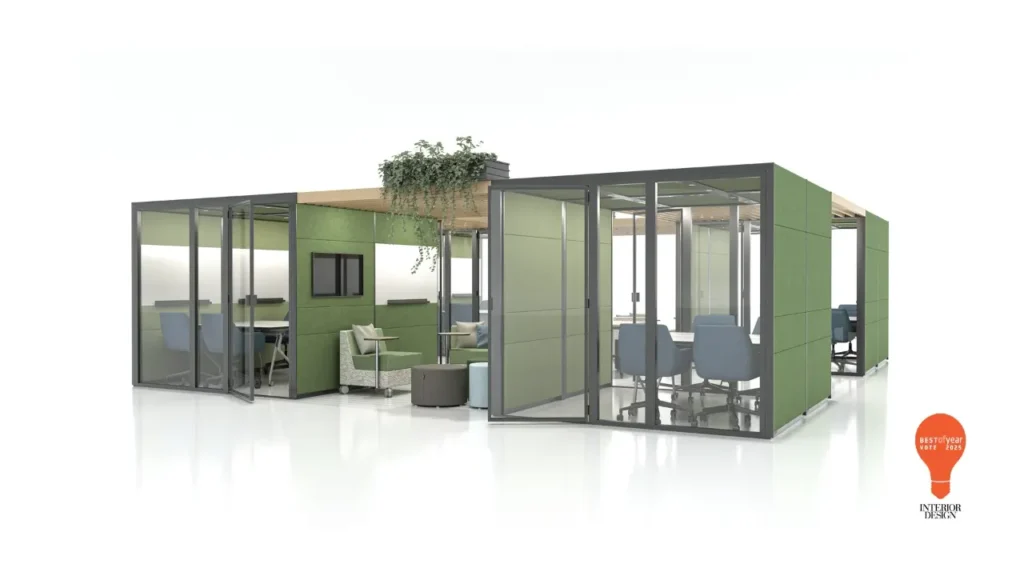
One of the hallmarks of agile interiors is the use of modular and reconfigurable furniture to create a flexible space. This allows companies to easily adjust their office layouts to accommodate changing team sizes or project requirements. Furniture that can be moved or reconfigured supports a variety of work styles, from collaborative brainstorming sessions to focused individual tasks.
Office Pods for Dynamic Environments
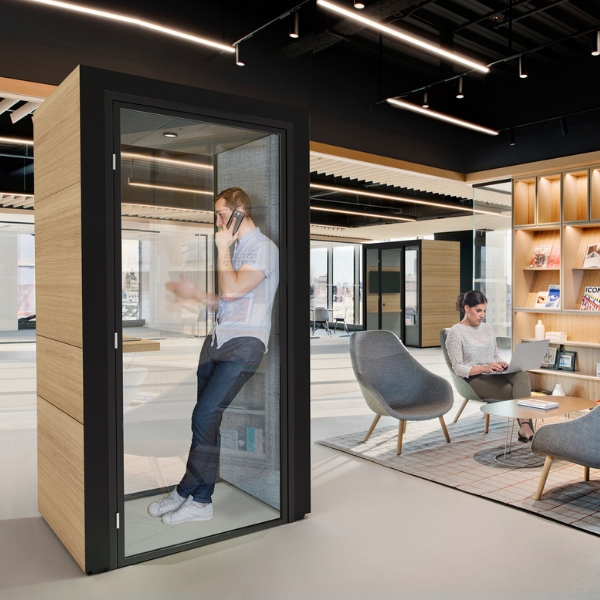
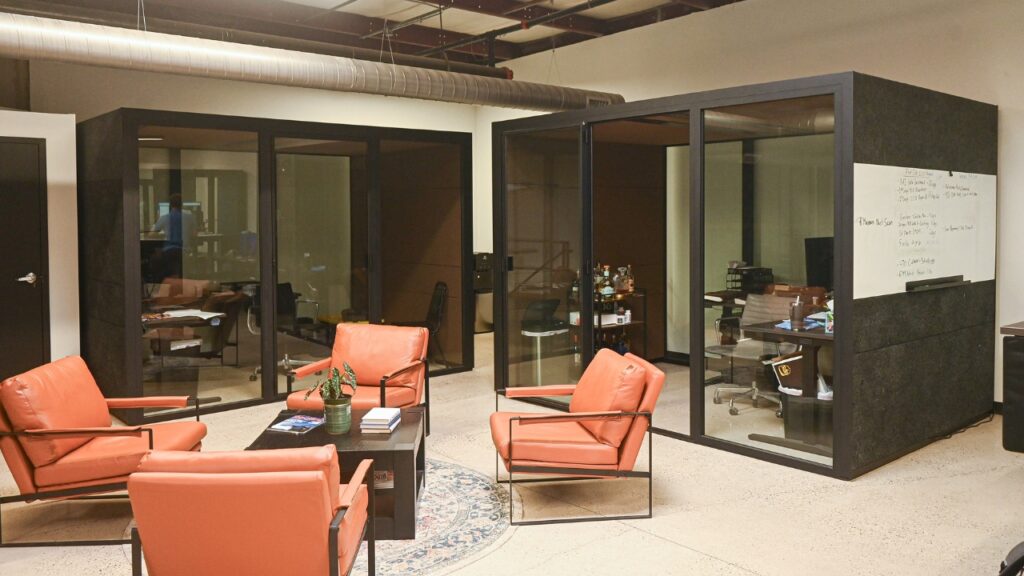
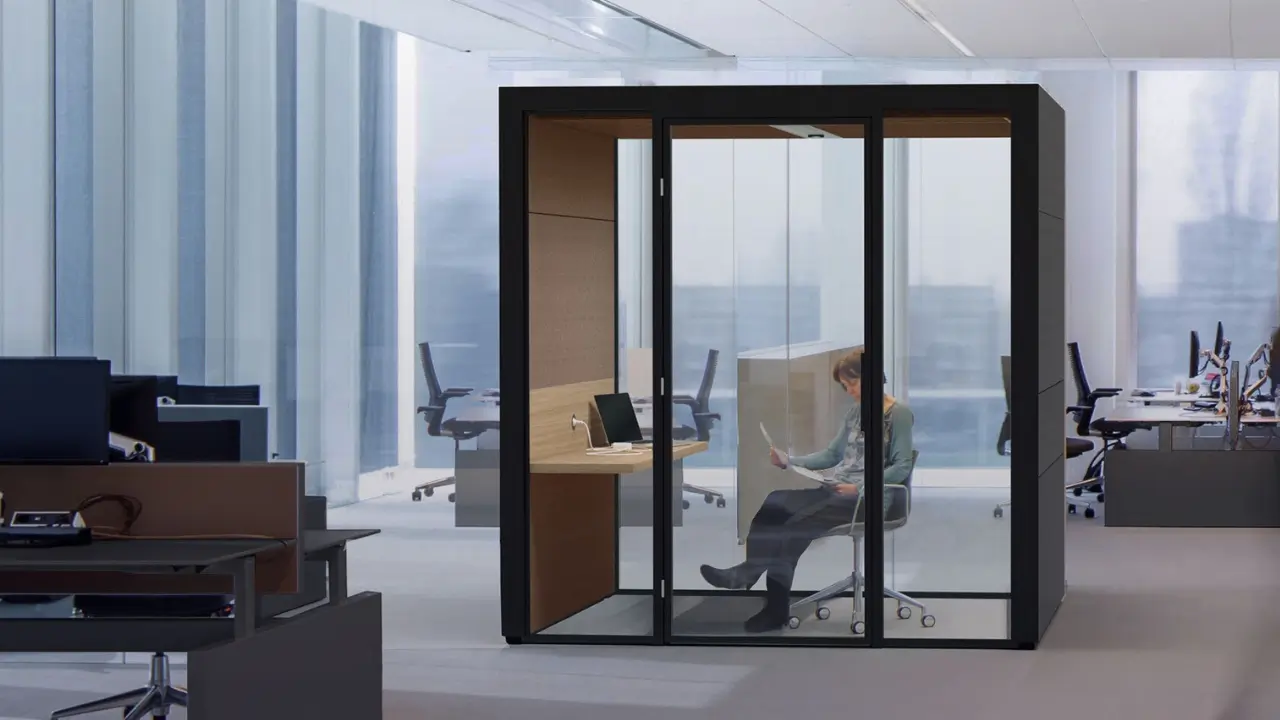
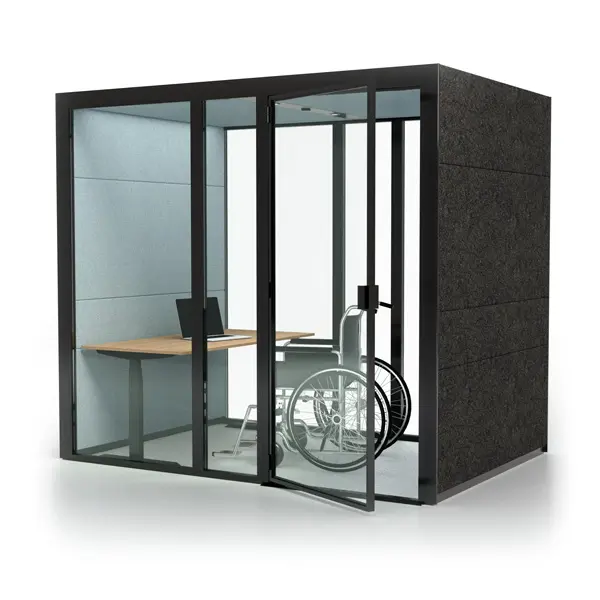
Office pods are becoming an integral part of agile interiors, offering flexible and mobile solutions that can be easily adapted to different needs. These pods can serve as temporary workstations, meeting rooms, or private spaces for focused work. Their modular design allows for various configurations, making them ideal for dynamic office environments. Additionally, office pods made from sustainable materials offer the extra benefit of reducing environmental impact. Many of these pods also provide excellent acoustic properties, ensuring a quiet and distraction-free environment even in busy open-plan offices.
Technology Integration
Modern agile interiors often incorporate advanced technology to enhance functionality. Flex office space, known for its adaptability and versatility, is a prime example of how modern workspaces can cater to businesses with changing needs. Smart lighting, integrated communication tools, and data analytics can all contribute to a more responsive workspace. These technologies not only improve efficiency but also help organizations monitor usage patterns and adapt their spaces accordingly.
Aesthetic Appeal
The design of flexible offices and agile interiors goes beyond functionality; aesthetics play a vital role in creating inspiring work environments. Incorporating natural elements, vibrant colors, and thoughtful layouts can enhance employee morale and encourage creativity. A visually appealing workspace can significantly impact employee satisfaction and productivity.
Creating a Flexible Workspace
Creating a flexible workspace requires a deep understanding of the needs and preferences of employees. It involves designing a space that is adaptable, responsive, and inclusive, and that fosters collaboration, innovation, and productivity. Flexible workspaces can take many forms, from open-plan offices to modular office solutions, and can incorporate a range of innovative design elements, such as office pods, meeting rooms, and flexible furniture.
To create a flexible workspace, businesses should start by assessing the needs and preferences of their employees. This can involve conducting surveys, focus groups, and workshops to gather feedback and insights. Businesses should also consider the latest trends and technologies in office design, such as agile interiors, modular office solutions, and office pods for dynamic environments.
Implementing Flexible Office Spaces
Implementing flexible office spaces requires a strategic approach that involves multiple stakeholders and departments. It requires a deep understanding of the business needs and goals, as well as the needs and preferences of employees. Flexible office spaces can be implemented in a range of settings, from small startups to large corporations, and can be tailored to meet the specific needs of each business.
To implement flexible office spaces, businesses should start by developing a clear strategy and roadmap. This should involve identifying the key objectives and benefits of flexible office design, as well as the potential challenges and risks. Businesses should also consider the latest trends and technologies in office design, such as flexible office space creating, flexible workspace design, and move towards circular economy innovative solutions.

The Future of Workspaces
As businesses continue to adapt to new ways of working, the trend towards agile interiors is expected to grow. Flexible office spaces provide customizability and adaptability, enabling businesses to easily adjust their work areas to meet evolving needs. A study by McKinsey emphasizes the importance of operational resilience and adaptability in navigating business cycles and external challenges. Agile interiors provide the physical infrastructure needed to support these strategic goals, enabling companies to thrive in an ever-changing environment.
Employee-Centric Design
The future of workspaces is centered around employee well-being and satisfaction. Companies are increasingly recognizing that a happy and healthy workforce is more productive. Agile interiors support this by offering a variety of spaces tailored to different tasks and preferences within the same office, allowing employees to work in ways that suit them best.
Sustainability Considerations
Sustainable design is becoming a necessity in modern office environments. Agile interiors can incorporate eco-friendly materials and energy-efficient systems, aligning with the growing demand for environmentally responsible workplaces. This not only reduces the carbon footprint but also creates healthier spaces for employees.
The New Frontier
Agile interiors represent a significant shift in how companies approach office design, prioritizing flexibility, sustainability, and employee well-being. As organizations continue to navigate the complexities of the modern work environment, agile interiors will play a crucial role in shaping the future of workspaces. By creating adaptable and inspiring environments, companies can foster a culture of innovation, enhance employee satisfaction, and ultimately drive productivity. The evolution of office design is not just about creating functional spaces; it’s about crafting experiences that empower employees to thrive in their work.