Revolutionizing Sustainable Office Design: Transforming Textile Waste into Sustainable Solutions
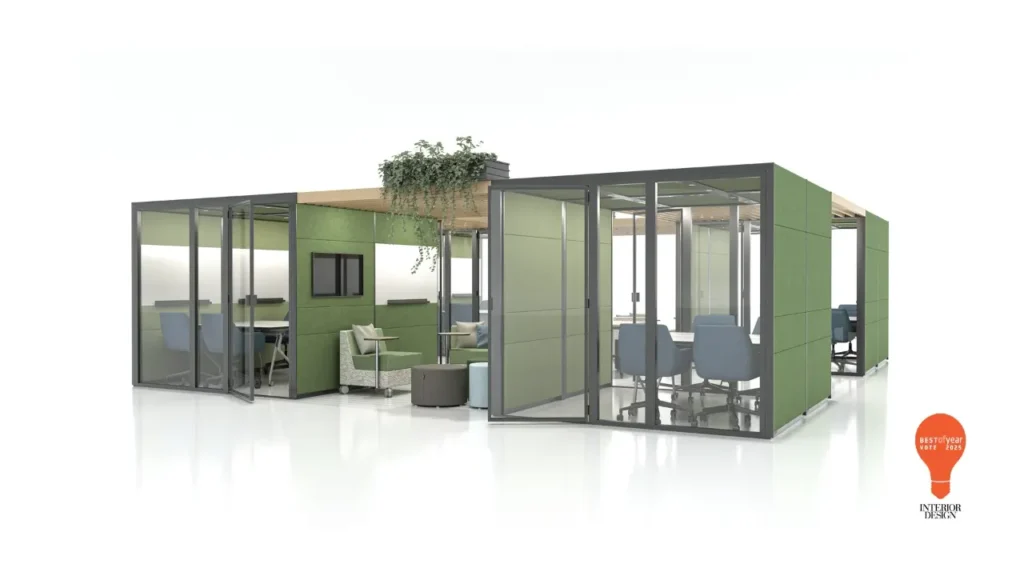
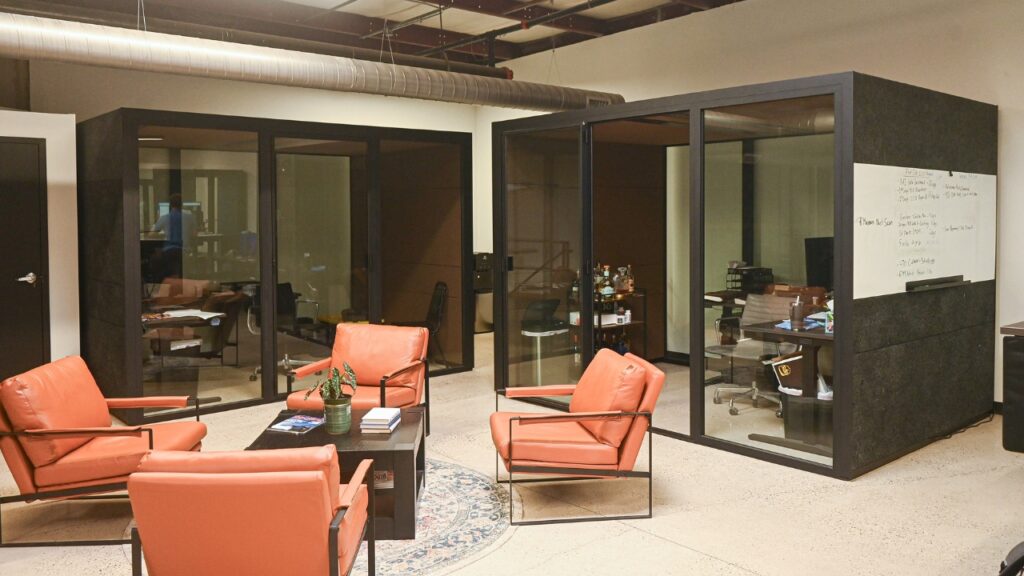
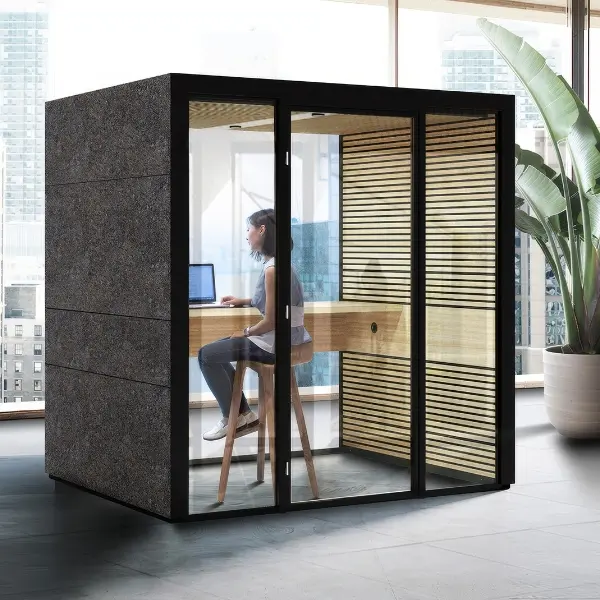
In the fast-paced world of modern office design, the textile industry plays a pivotal role in shaping the aesthetics and functionality of workspaces, introducing an interesting opportunity for the reuse and repurpose of materials. From meeting pods to lighting, textiles are everywhere in sustainable office design. They are found in furniture upholstery, wall coverings, and more, adding to the ambiance and comfort of the workplace. However, a pressing issue lies beneath the surface: textile waste and its detrimental impact on the environment.
In this post, we'll take a look at:
The Textile Industry’s Waste Problem: A Statistical Perspective
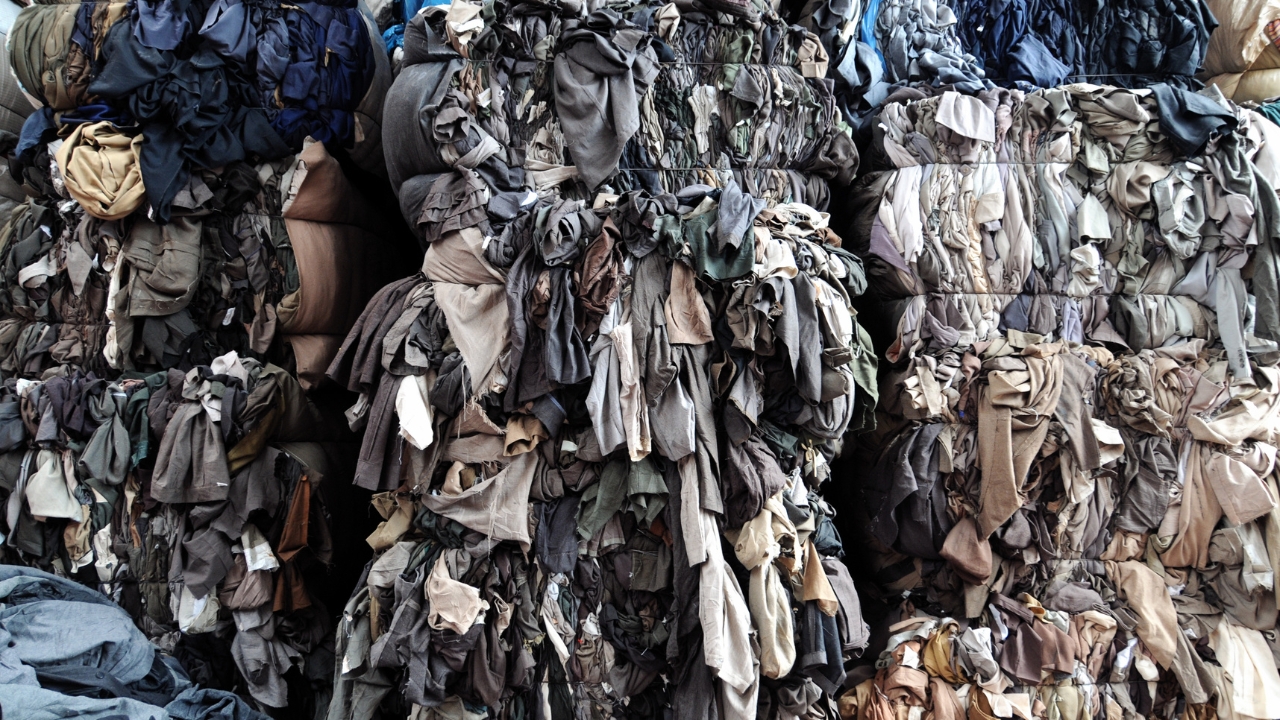
The textile industry ranks among the largest contributors to global waste production. Shockingly, the Ellen MacArthur Foundation estimates that the equivalent of one garbage truck full of textiles is landfilled or burned every second worldwide. Moreover, the World Resources Institute reports that the fashion industry alone accounts for 10% of global carbon emissions and is the second-largest consumer of the world’s water supply. These statistics underscore the urgent need for sustainable solutions to address the waste problem plaguing the textile industry and its broader implications for environmental sustainability.
The Environmental Impact of Textile Waste
The consequences of textile waste extend far beyond overflowing landfills and polluted waterways. The production of textiles involves resource-intensive processes that contribute to deforestation, water pollution, and greenhouse gas emissions. Moreover, the disposal of textiles through incineration or landfilling releases harmful chemicals and greenhouse gases into the atmosphere, exacerbating climate change and posing significant health risks to communities.

Innovations in Sustainable Office Design
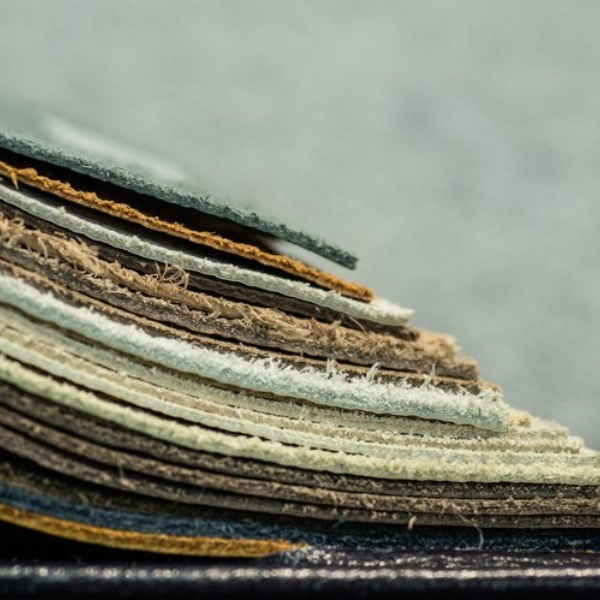
Amidst these challenges, innovative approaches to office design are emerging, driven by a commitment to sustainability and environmental stewardship. One such approach involves harnessing post-consumer textile waste as a raw material for both acoustics and furniture. By repurposing and recycling textile waste, designers and manufacturers can mitigate the environmental impact of office furniture production while simultaneously reducing the demand for virgin materials. This not only conserves valuable resources but also diverts textiles from landfills, contributing to a circular economy model where waste is minimized, and materials are reused and recycled.
The Role of Post-Consumer Textiles in Office Design
Post-consumer textiles offer a sustainable solution for modern office design. These materials can be used in various applications, such as acoustic panels, furniture upholstery, and decorative elements. By integrating post-consumer textiles into office design, companies can enhance the functionality and aesthetics of their workspaces while promoting environmental responsibility.
The Importance of Upstream Solutions in Sustainable Office Design
In the quest for sustainable office design, it is essential to recognize that the solution lies upstream—before waste and pollution occur. By prioritizing eco-friendly materials, adopting circular design principles, and embracing innovative manufacturing techniques, designers and businesses can proactively address the environmental challenges associated with the textile industry. Moreover, consumer awareness and demand for sustainable products play a pivotal role in driving industry-wide change. As employees and businesses alike become increasingly conscious of their environmental footprint, there is a growing demand for office furnishings and materials that prioritize sustainability and durability.
Consumer Demand and Sustainable Office Products
Consumer awareness and demand for sustainable products play a pivotal role in driving industry-wide change. As employees and businesses become increasingly conscious of their environmental footprint, there is a growing demand for office furnishings and materials that prioritize sustainability and durability. This shift in consumer behavior encourages manufacturers to innovate and adopt more sustainable practices, ultimately benefiting the environment and society.

Embracing Sustainable Solutions in Office Design
The textile industry’s waste problem presents a pressing challenge that demands collective action and innovation. By leveraging post-consumer textile waste in modern office product design, we can transform environmental liabilities into sustainable solutions that enhance both the functionality and sustainability of workspaces. As designers, manufacturers, and consumers, we have the power to shape the future of office design and contribute to a more sustainable, resilient planet. By embracing circular design principles, minimizing waste, and prioritizing eco-friendly materials, we can create office environments that inspire creativity, foster productivity, and protect the planet for generations to come.