
Eco Friendly Office Furniture Features
When creating modern offices that are functional, eco-friendly, and embody a modern style, understanding the features of sustainable office furniture is crucial. Eco friendly office furniture is designed to reduce environmental impact while increasing durability, health benefits and visual appeal. By choosing sustainable office furniture you can create spaces that are not only eco-friendly but also good for your employees and productivity.
In this post, we'll take a look at:
Sustainable Office Furniture: Materials and Production Processes
Sustainable office furniture is defined by its use of eco friendly materials and production processes. These reduce the environmental footprint of the furniture throughout its life. Our commitment to fair trade ensures that our production processes are ethical and socially responsible. From recycled wood, metals, and fabrics to non toxic finishes, sustainable materials mean our furniture is both eco friendly and safe for indoor use.

Durability and Design for Life
Another key part of eco friendly office furniture is its durability and design. Using less materials in the design reduces environmental impact by minimizing the number of components. Good craftsmanship and robust materials mean sustainable furniture is built to last. This reduces the need for frequent replacements, saves resources and reduces waste. Sustainable furniture also often has modular and flexible designs so it can adapt to changing office needs and layouts.
End of Life and Recycling
Planning for the end of life of the furniture is a key part of sustainable design. Sustainable office furniture is designed to be recycled, upcycled or responsibly disposed of so it doesn’t end up in landfill waste. By applying principles of the circular economy the furniture extends its life and reduces its environmental impact.
Materials and Production
Renewable and Recycled Materials
Eco friendly office furniture uses renewable and recycled materials to reduce its environmental impact. Here are some of the materials used:
Bamboo:
- Renewable: Bamboo is one of the fastest growing plants on the planet so it’s a very renewable resource.
- Strength and Durability: Despite being lightweight, bamboo is incredibly strong and durable for various furniture applications.
Reclaimed Wood:
- Environmental Conservation: Using reclaimed wood reduces the demand for new timber so helps to preserve forests. Additionally, many reclaimed wood products are made from FSC®-certified wood, ensuring sustainable and ethical sourcing.
- Unique Aesthetic: Each piece of reclaimed wood has its own history and character so adds a unique aesthetic to the furniture.
Recycled Metals and Plastics:
- Waste Reduction: Using recycled metals and plastics diverts waste from landfills and reduces demand for virgin materials.
- Energy Savings: Recycling metals like aluminum and steel saves a lot of energy compared to producing new materials.
Non-Toxic and Low-VOC Finishes
Traditional furniture uses finishes and adhesives that emit volatile organic compounds (VOCs) which contribute to indoor air pollution. Some finishes are GREENGUARD Certified for low chemical emissions. Sustainable office furniture uses safer alternatives:

Water Based Finishes:
- Low Emissions: Water based finishes emit fewer VOCs than solvent based finishes so improve indoor air quality.
- Eco Friendly: These finishes are less harmful to the environment during production and application.
Natural Oils and Waxes:
- Non-Toxic: Natural oils and waxes are plant derived so a safer alternative to chemical based finishes.
- Aesthetic: These finishes enhance the natural beauty of the wood so the furniture has a warm organic look.
Low-VOC Adhesives:
- Health: Low-VOC adhesives reduce the release of harmful chemicals so a healthier indoor environment.
- Environmental Impact: These adhesives are often water based or made from natural materials so reduce their ecological footprint.
Sustainable Certifications
Certifications are key to verifying office furniture sustainability. When choosing green office furniture look for:
FSC (Forest Stewardship Council):
- Responsible Forestry: Ensures the wood used in the furniture comes from forests managed to environmental, social and economic standards.
- Consumer Assurance: FSC certification gives consumers assurance that their purchase supports sustainable forestry.
Greenguard Certification:
- Low Chemical Emissions: Products with Greenguard certification have been tested for chemical emissions to meet indoor air quality standards.
- Healthier Indoor Environment: This certification helps create healthier indoor environments by reducing exposure to chemicals.
BIFMA LEVEL:
- Broad Standards: BIFMA LEVEL certification assesses furniture products against environmental, social and economic sustainability criteria.
- Industry Recognition: LEVEL certification is industry wide recognition of sustainability excellence.
By choosing furniture with these certifications businesses can be assured they are making an environmentally responsible choice for a healthier more sustainable workplace.
Durability and Design
Craftsmanship
One of the key features of sustainable office furniture is its quality and craftsmanship. Sustainable furniture is designed and built to last using quality materials and construction methods that will last.
Sustainable Materials:
- Solid Wood Frames: Furniture made from solid wood like oak, walnut and bamboo is stronger and more durable than particleboard or MDF plywood.
- Reinforced Joints: Techniques like dovetail joints, mortise and tenon joints and reinforced corner blocks add stability and strength to the furniture.
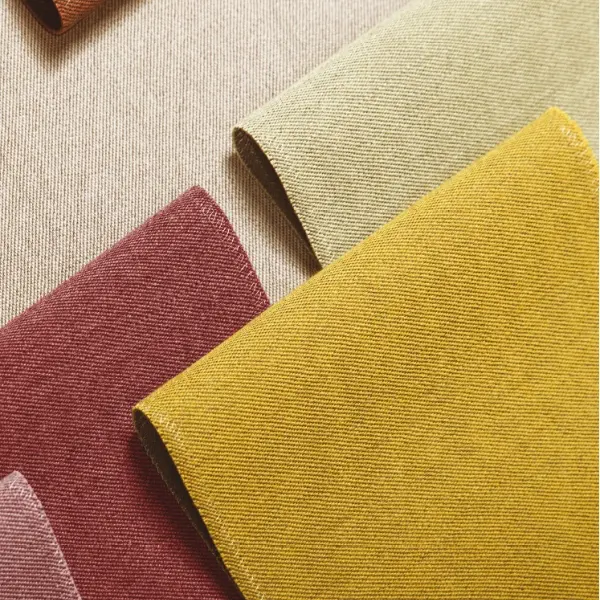
- High Quality Upholstery: Durable fabrics and leathers often made from recycled or organic materials resist wear and tear and maintain their look and feel over time.
Repairable:
- Modular Components: Furniture designed with modular components allows for easy replacement of damaged parts so extends the life of the product.
- Standardized Parts: Using standardized sizes and fittings makes it easier to find replacement parts so repairs can be done quickly and cost effectively.
- Accessible Design: Furniture that is easy to disassemble and reassemble makes maintenance and repairs simpler and promotes longevity and sustainability.

Modular and Flexible
Sustainable office furniture often has modular and flexible designs that can adapt to changing needs and office layouts. This flexibility extends the life of the furniture and maximizes its use.
Adaptable:
- Reconfigurable Workstations: Modular desks and workstations can be rearranged for different team sizes, project needs or office layouts.
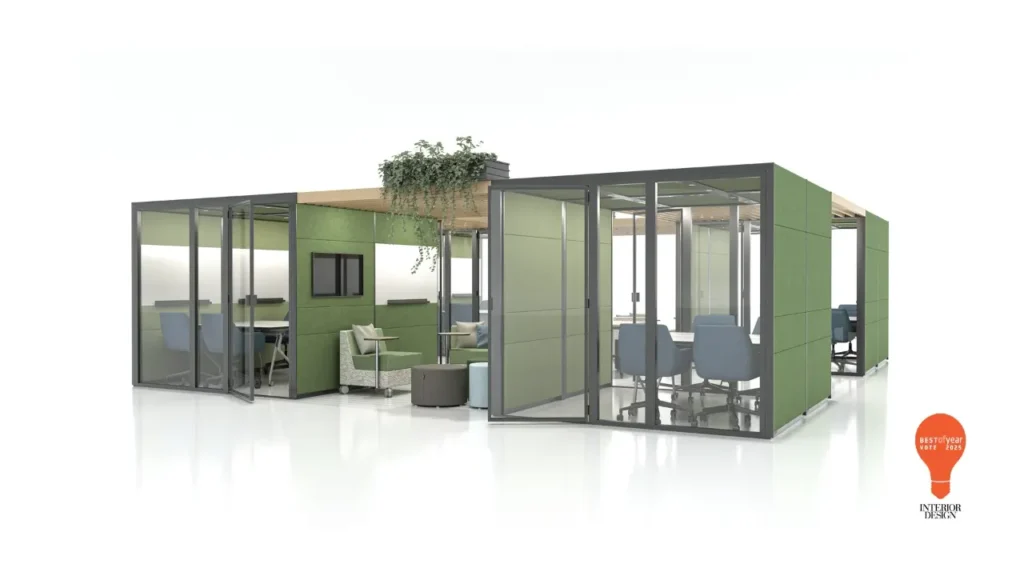
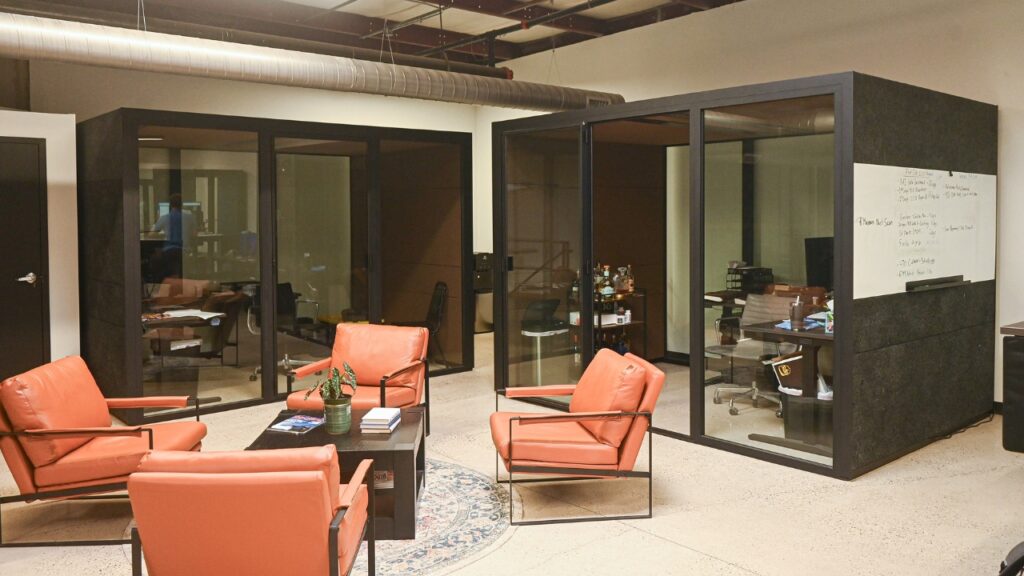
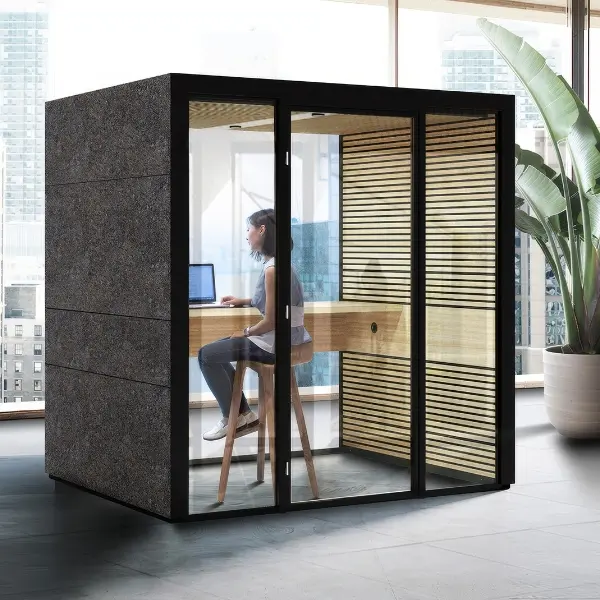
- Scalable Solutions: Modular furniture systems, work pods and meeting pods, allow businesses to grow or downsize their office as needed a cost effective solution for growth or reduction.
Multi-Purpose Furniture:
- Convertible Desks and Tables: Furniture that serves multiple purposes like a desk that can convert into a meeting table maximizes space and use. Modern sit-to-stand desks are a great example of multi-purpose furniture that is both stylish and functional, aligning with contemporary design trends and suitable for modern home offices and collaborative spaces.
- Storage Solutions: Modular storage units can be customized to fit specific needs whether it’s for personal storage, office supplies or collaborative spaces.
Aesthetic Flexibility:
- Customizable Finishes: Many sustainable furniture options have various finishes and materials so businesses can match the look and feel to their brand and office décor.
- Timeless Design: Sustainable furniture often has timeless classic designs that remain stylish and functional over time so reduces the need for frequent updates.
Look
Sustainable office furniture is functional and durable but also looks good. The use of natural materials and high quality finishes makes office spaces beautiful and inspiring.
Natural:
- Wood Grain and Texture: The natural variations in wood grain and texture makes each piece of furniture unique.
- Organic Shapes: Sustainable furniture often has organic shapes and designs that are visually pleasing and ergonomic.
- Design Consistency: Matching finishes and materials across different pieces of furniture creates a cohesive look in the office.
- Attention to Detail: High quality craftsmanship and attention to detail means each piece of furniture adds to the overall look of the workspace.
Ergonomic:
- Back Support: Ergonomic chairs and seating options provide lumbar support and adjustability for employee comfort and productivity. Ergonomic office chairs are essential in providing comfort and support, especially for prolonged use.
- Adjustable Workstations: Desks and tables that can be adjusted for height and angle accommodate different working styles and postures for health and wellbeing.
By focusing on quality, modular and flexible design and aesthetic appeal, sustainable office furniture meets the functional needs of the modern workspace and the positive and productive office.
End of Life and Recycling
Recyclable
Planning for the end of life is a key part of sustainable office furniture design. Sustainable furniture is made with materials and construction methods that can be recycled so it doesn’t end up in a landfill when it’s no longer needed.
Recyclable Materials:
- Metals and Plastics: Furniture made with recyclable metals like aluminum and steel and certain plastics can be processed and reused in new products.
- Natural Materials: Wood and natural fibers can be recycled or composted depending on the finish and treatment.
Design for Disassembly:
- Easy Separation: Furniture designed to be easily disassembled into its component parts makes the recycling process simpler. This means materials can be sorted and processed correctly.
- Standard Fixings: Using standard screws and bolts instead of glue or permanent fixings makes disassembly easy and allows components to be recycled or repurposed.
Upcycling and Repurposing
Upcycling and repurposing are two ways to extend the life of office furniture and reduce waste. Sustainable furniture lends itself to creative reuse and adds value even when its original purpose has been fulfilled.
Creative Reuse:
- Furniture Transformation: Old desks can be turned into storage units and filing cabinets into planter boxes. These transformations extend the life of the furniture and reduce the need for new resources.
- DIY Projects: Get employees involved in upcycling projects and foster creativity and community in the workplace.
Community Donations:
- Charitable Giving: Donate used office furniture to schools, non-profits or community organizations and the furniture will continue to be used for its purpose.
- Social Impact: Such donations have social impact, providing essential resources to those who need them and promoting a culture of sustainability.
Circular Economy
The circular economy is an economic system that seeks to eliminate waste and continuous use of resources. Sustainable office furniture is designed with circular economy principles in mind so the materials used can be fully reclaimed or re-used.
Take-Back Schemes:
- Manufacturer Initiatives: Many sustainable furniture manufacturers have take-back schemes where they accept old furniture for recycling or upcycling. This means the materials are processed responsibly and don’t end up in landfills.
- Customer Incentives: Some schemes offer incentives, such as discounts on future purchases, to encourage customers to return their old furniture.
Cradle-to-Cradle Design:
- Closed Loops: Cradle-to-cradle design means every part of a product can be reclaimed and reused, creating a closed loop that minimizes waste.
- Sustainable Production: Products are designed from the start to be disassembled and repurposed so the materials can re-enter the production cycle.
Life Cycle Analysis:
- Environmental Footprint: Life cycle analysis helps manufacturers and consumers understand the environmental impact of furniture from production to disposal. This informs better choices and practices.
- Continuous Improvement: Feedback from life cycle analysis can lead to continuous improvement in product design and further sustainability.
By designing for recyclability, upcycling and circular economy principles businesses can ensure their office furniture is sustainable throughout its life. This reduces waste and promotes a culture of responsibility and sustainability.
Key Aspects to Eco Friendly Office Furniture
To create modern and environmentally responsible workspaces you need to understand the key aspects of sustainable office furniture. Here’s a summary:
- Materials and Production: Sustainable office furniture uses renewable and recycled materials like bamboo, reclaimed wood and recycled metals. These materials reduce the environmental impact of furniture production. Non-toxic and low-VOC finishes like water-based and natural oil finishes improve indoor air quality and health.
- Durability and Design: High quality craftsmanship and robust construction means sustainable furniture is built to last. Modular and flexible design means furniture can adapt to changing office needs, maximize its use and life. Ergonomic features and aesthetics improve employee wellbeing and productivity.
- End-of-Life and Recycling: Sustainable office furniture is designed to be recyclable and easy to disassemble, for responsible disposal and recycling. Upcycling and repurposing extends the life of the furniture, take-back schemes and circular economy principles mean the materials are continually reused and waste is minimized.

Get in Touch
When you’re refreshing your office space or starting a new project consider all the benefits of sustainable office furniture. By choosing environmentally friendly options you can create a healthier, more productive workspace and reduce your carbon footprint. Look for furniture with certifications like FSC, GREENGUARD and BIFMA LEVEL to know you’re making the best choice for your business and the planet.
Browse our brochures or the Ecolution Design collection of high quality eco-friendly office meeting pods to see how it can work for you.
A Sustainable Future
Sustainable office furniture is the first step to a sustainable future. The decisions we make today will have long lasting effects on our environment and society. By putting sustainability first businesses can lead the way in responsible practice and set the example for others to follow. Let’s do this together and create spaces that are functional, beautiful and good for the planet.