
Materials Revolution: New Textiles to Future-Proof Our Planet
The materials revolution is ushering in a new era of sustainable design, with a particular focus on textiles and the innovative reuse of old clothing. As we face unprecedented environmental challenges, the adoption of recycled and recyclable textile materials in furniture design is more critical than ever. This movement not only addresses the pressing need to reduce waste but also aligns with the principles of the circular economy, creating a future where resources are continuously repurposed and minimized.
In this post, we'll take a look at:
The Rise of the Textile and Clothing Industry in Sustainable Design
Textiles have become a central component in the materials revolution, offering versatile and sustainable solutions for modern furniture design. The shift towards using recycled fabrics—particularly those sourced from discarded clothing—marks a significant step forward in reducing the environmental impact of the fashion industry, one of the biggest polluters globally. The textile industry is also playing a crucial role in sustainability, with new regulations promoting recycling and sustainable practices to address waste and pollution. Fast fashion, known for its rapid turnover and wastefulness, is being reimagined as a valuable resource, providing raw materials that can be transformed into innovative, eco-friendly furniture.
Designers are increasingly turning to these recycled textiles, which not only divert textile waste from landfills but also breathe new life into materials that were once considered disposable. By repurposing old clothing and textiles, designers are creating unique, sustainable pieces that challenge the conventional norms of furniture design. This approach is both a creative and responsible response to the growing demand for environmentally conscious products.

Transforming Old Clothing into New Creations through Textile Recycling
The process of transforming old clothing into new materials to recycle textiles is at the heart of this textile revolution. Through techniques such as shredding, weaving, and reconstituting, discarded garments are given a second life as upholstery, cushions, and other fabric-based elements in furniture. This not only reduces the need for virgin materials but also significantly cuts down on the energy and resources required for production.
Textile reuse extends the lifespan of products, reduces landfill contributions, and contributes to energy savings, thereby promoting more sustainable textile management practices.
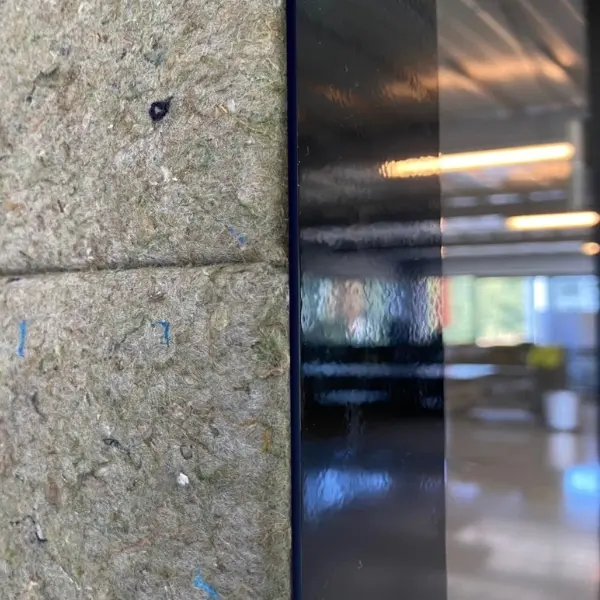
One of the most exciting aspects of this transformation is the ability to maintain, or even enhance, the aesthetic qualities of the original materials. Designers are experimenting with blending different recycled textiles and used textiles to create new textures, patterns, and colors, resulting in furniture that is as visually striking as it is sustainable.
Recycled Textiles: Closing the Loop in the Circular Economy
The emphasis on recycled textiles is closely linked to the broader adoption of recyclable materials in furniture design. By creating products that can be easily disassembled and repurposed at the end of their life cycle, designers are contributing to a circular economy where waste is minimized, and materials are kept in circulation for as long as possible. Recycled textiles often serve as raw material for various industries, including automotive manufacturing, highlighting their importance in sustainable practices.
Recycling companies play a critical role in establishing sustainable systems for post-consumer textile waste. Collaboration among various stakeholders, including these companies, is essential to address environmental challenges and combat issues like greenwashing in the industry.
This approach extends beyond textiles to include other recycled materials such as plastics, metals, and wood. For example, recycled plastic bottles can be transformed into durable, weather-resistant fabrics, while reclaimed wood can be used to craft beautiful, one-of-a-kind furniture pieces. Textile recycling companies are increasingly investing in innovative recycling technologies, contributing significantly to the circular economy. These innovations not only conserve natural resources but also reduce the environmental footprint of furniture production.
Challenges and Innovations in Sustainable Textiles and Textile Waste
Despite the progress, there are challenges in fully integrating recycled textiles into mainstream furniture design. One of the primary obstacles is the perception of recycled materials as being of lower quality or less desirable than their new counterparts. However, this view is rapidly changing as designers demonstrate that recycled textiles can be just as luxurious, durable, and stylish as new materials.
Innovations in textile production are also helping to overcome these challenges. For instance, advancements in fabric recycling technology are improving the quality and consistency of recycled textiles, making them more attractive to both designers and consumers. Additionally, the development of new, recyclable materials that mimic the properties of traditional textiles is expanding the possibilities for sustainable furniture design.

The Future of Sustainable Design: A Call to Action
The materials revolution, with its emphasis on textiles and recycled materials, represents a significant shift in how we approach design and production. By prioritizing sustainability and innovation, we can create furniture that not only meets the needs of today’s consumers but also contributes to a healthier, more sustainable planet.
As designers, businesses, and consumers, it is our responsibility to embrace these new materials and practices. By doing so, we can help to future-proof our planet, ensuring that resources are used wisely and waste is minimized. The materials revolution is not just about adopting new materials; it is about adopting a new mindset—one that values the preservation of our environment through creative, sustainable design.
The integration of recycled textiles and materials into furniture design is not merely a trend but a vital step towards a more sustainable future. As the materials revolution continues to evolve, it will play a crucial role in shaping a world where innovation and sustainability go hand in hand, paving the way for a greener, more resilient planet.