
Understanding the Shift: Circular Economy vs. Linear Economy
Sustainability is no longer a buzzword, it’s a must. The shift from linear to circular economies is the focus for industries worldwide and nowhere is this more apparent than in office furniture. The old linear models of take, make, dispose are being replaced by circular principles of resource efficiency, waste reduction and environmental care.
In this post, we'll take a look at:
This is most apparent in the design and manufacture of office furniture, work pods, meeting pods, or phone pods where the environmental impact of materials and production is under the spotlight. In an open plan office, the need for sustainable and functional solutions is critical to address challenges such as noise and privacy. Ecolution Design is leading the way with sustainable solutions that meet the functional needs of modern offices and the principles of a circular economy.
We will look at the differences between circular and linear economies with a focus on office furniture and the rise of office work pods. We’ll explore how adopting circular economy practices means more sustainable, adaptable, and cost-effective workspaces for businesses and the planet.
Linear Economy
The linear economy has been the standard model in industrial production for decades, especially in office furniture design and manufacture. A simple take, make, dispose approach where raw materials are extracted, turned into products and then disposed of as waste. This has driven economic growth and industrialization for years but its inefficiencies and environmental impacts are now becoming more apparent. For instance, traditional office setups often lack features like office phone booths or pods, which are essential for maintaining privacy and reducing noise in open-plan offices.
In the office furniture industry the linear economy is a major contributor to environmental degradation. Traditional manufacturing processes use non-renewable resources and at the end of life of the product, they become waste. For example many office tables, desks, and chairs, designed for modern workspaces are made from fast-furniture materials that can’t be recycled or repurposed and add to the landfill waste problem. Traditional manufacturing processes can take a long time, whereas circular economy solutions can be implemented in a few hours.
Moving from Linear to Circular
The linear economy’s focus on continuous consumption creates a culture of disposability. Ecolution Design’s office phone pods, with their soundproofing, eco-friendly materials, and stylish design, are excellent examples of how modern solutions can enhance productivity in open office environments while supporting a circular economy. As new designs and technology emerges older office furniture is discarded and added to the growing waste problem. This not only depletes resources but also creates a large environmental footprint from production and disposal.
The linear economy is becoming unsustainable as businesses and consumers realize the need for more sustainable practices. The office furniture industry with its environmental impact is a prime candidate for change. By moving from linear to circular companies can reduce waste and conserve resources and create more adaptable and long lasting products that meet the changing needs of modern workspaces.

What is a Circular Economy?
The circular economy is a fundamental shift from traditional linear models, focused on sustainability and resource efficiency. Unlike the linear approach where resources are extracted, used and discarded, the circular economy closes the loop by keeping products and materials in use for as long as possible. This is done through practices like recycling, refurbishing and reusing which reduce waste and conserve resources. Creating a quiet space can also be an essential component in circular economy practices, as it promotes productivity and creativity in distraction-free environments.
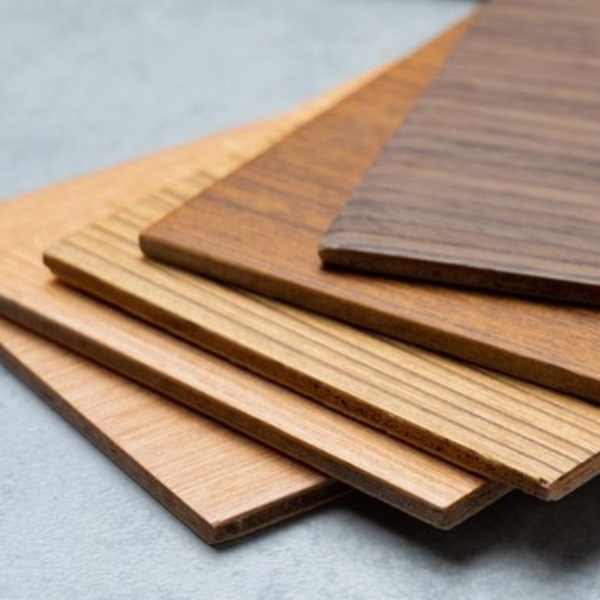
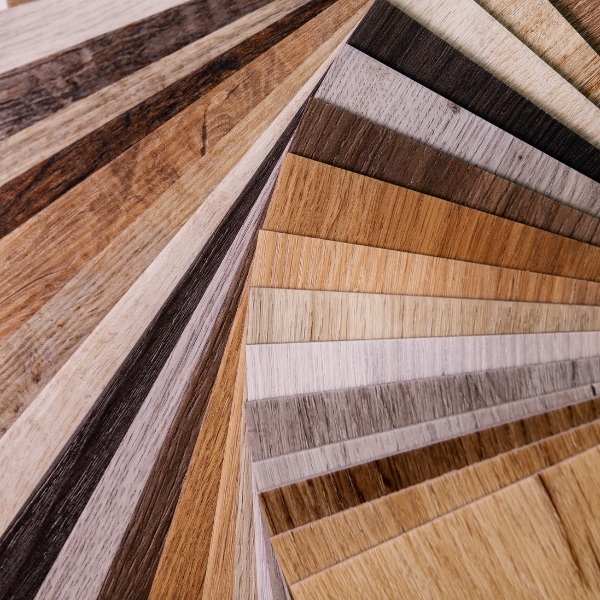
In the furniture industry the circular economy is gaining momentum as businesses realize the need for sustainable practices. Furniture designed with circular principles is often modular, meaning it can be easily adapted, repaired or upgraded to meet changing needs. This extends the product’s life and minimizes waste. Circular economy practices often involve the use of recycled materials to minimize environmental impact, like our use of felt in our acoustic panels, made from recycled clothing.
Office Pods
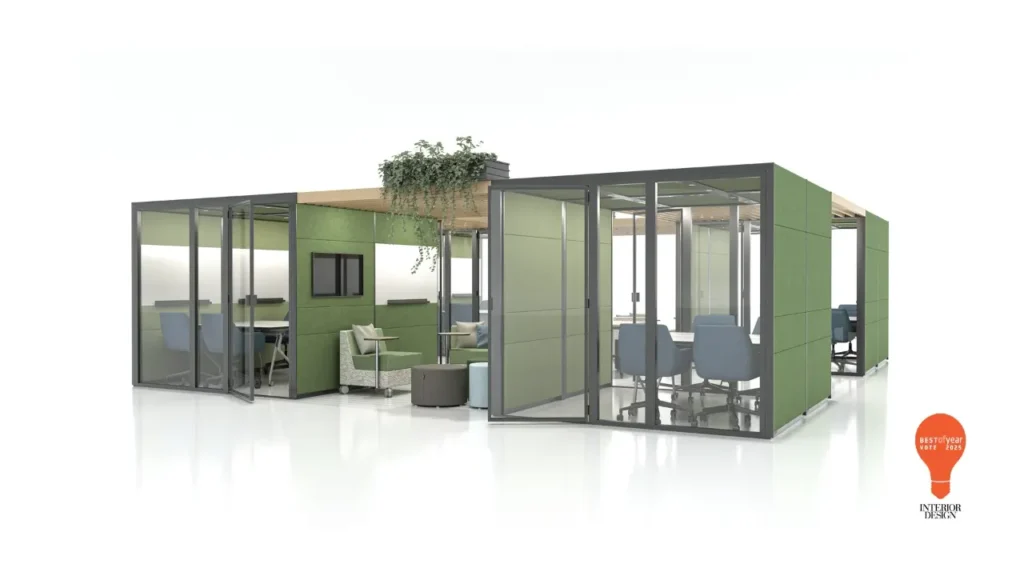
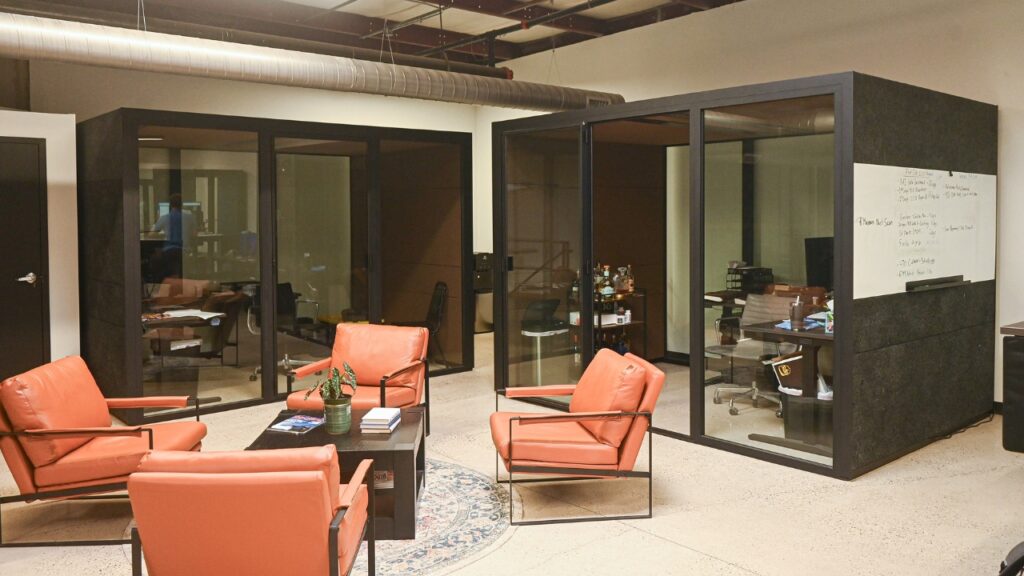
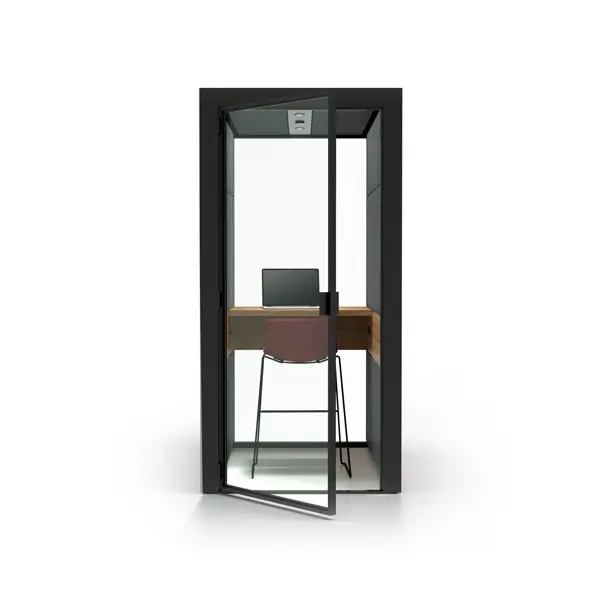
Ecolution Design are leading the way with a collection of sustainable office work pods, meeting pods, and phone pods that meet circular economy principles. These products are made from sustainable materials, are durable and adaptable, and can be easily disassembled for recycling at end of life. Additionally, our modern office pods feature a built-in LED lighting system, with motion sensors, providing maximum light while minimizing energy consumption.
The benefits of the circular economy in office furniture are obvious: reduced environmental impact, cost savings over time and a more sustainable approach to design and production. By adopting circular economy practices businesses can create spaces that are functional, beautiful and sustainable.
Circular Economy vs Linear Economy
When comparing the circular economy to the traditional linear economy the differences are clear, especially in office furniture design. The linear economy with its “take, make, dispose” model is all about short term use and quick disposal and creates significant environmental degradation. The circular economy is about sustainability and keeping products and materials in use for as long as possible. Circular economy solutions can also provide additional space for focused work and collaboration. Additionally, modular office solutions like prefab office pods and meeting rooms offer versatile and cost-effective options without lengthy construction processes.
Specifically in furniture manufacturing this difference translates into how products are designed, manufactured and disposed of. In a linear economy office furniture is often designed with no thought to end of life impact and creates a lot of waste. In a circular economy office furniture is designed for longevity and adaptability. Materials are chosen for recyclability and products like Ecolution Design’s office pods are designed to be modular and flexible so they can be reused and easily disassembled when no longer needed.
The long term benefits of adopting a circular economy in office environments are huge. Businesses can reduce their environmental impact, lower costs of frequent replacements and contribute to a more sustainable economy. As consumers and businesses become more environmentally aware, businesses that adopt circular economy principles will gain a competitive edge as they appeal to a market that is increasingly valuing sustainability.
Sustainable Office Furniture in the Circular Economy
Office furniture has a key role to play in the transition to a circular economy. Traditionally office furniture has been designed with a short life and creates a lot of waste when pieces are discarded after a short period. Workspace pods are an essential solution for optimizing workflow in both office and remote settings. By adopting circular economy principles businesses can design and use office furniture in a way that extends its life, reduces waste and increases sustainability.
Circular economy office furniture can also create environments conducive to focused work, providing distraction-free spaces that enhance concentration and productivity. Ecolution Design demonstrates this with our collection of pods which are made from sustainable materials and designed to be modular and long lasting. These pods are built to last but are also adaptable so they can be reconfigured or upgraded as the workplace changes. This reduces the need for frequent replacements and the environmental impact of new furniture production.
Plus circular economy office furniture uses recycled and recyclable materials. By designing products that can be easily disassembled at end of life Ecolution Design are contributing to a more sustainable life cycle for office furniture so materials are reintroduced into the production cycle not the landfill.
By adopting these principles businesses can create workspaces that are functional and beautiful and aligned to their overall sustainability goals. This benefits the environment and also reflects a commitment to responsible business practices that can enhance brand reputation and appeal to environmentally aware clients and employees.
Ecolution Design’s Circular Economy
Ecolution Design has set the bar high in the office furniture industry by putting circular economy at the heart of our office work pods, meeting pods, or phone pods. These pods are not only functional but are also designed with sustainability as a core value. Ecolution Design’s office pods are composed of 98% recycled or biodegradable materials. These pods, whether used as individual workspaces, meeting areas, or phone booths, demonstrate that high-performance office furniture can be both functional and environmentally responsible.
Eco Passports
Our Eco Passports go beyond transparency, they are a tool to drive sustainability and responsible consumption in every product we make. We are proud to take ownership of the environmental impact of our products, from raw material sourcing to manufacturing and distribution. This awareness makes us accountable and our customers responsible for Ecolution Design and them.
Ecolution’s circular design means products can be disassembled and recycled, reducing waste and conserving resources. This is in line with global sustainability goals and gives businesses a practical way to create eco friendly workspaces. By choosing products like Ecolution’s work pods businesses can reduce their environmental impact and invest in durable long lasting office solutions.
This shows the real benefits of a circular economy in office design, a model for other businesses to move away from a linear economy to more sustainable ways of working.
Circular Economy Transition with Recycled Materials
Moving from a linear economy to a circular economy presents challenges and opportunities particularly in the office furniture industry. One of the biggest challenges is the upfront cost of redesigning products and systems to align to circular principles. Many businesses will struggle to justify these costs especially when the benefits of long term cost savings and environmental impact reduction are realized over time.
However, businesses can expect to see benefits within a business day when adopting circular economy practices. Another challenge is changing consumer behavior and perceptions. For years the market has been conditioned to value newness and disposability so it’s hard to shift to a mindset that values durability, repairability, and sustainability. This requires education and awareness but also design solutions that meet consumer demand for style and functionality while adhering to circular economy principles.
These challenges also present opportunities. Businesses that get the circular economy vs linear economy decisions right can differentiate themselves in a crowded market by offering products that are not only sustainable but also innovative and adaptable. Ecolution Design’s approach to modular office work pods, meeting pods, or phone pods is a great example of how businesses can lead in this space and offer practical and eco friendly solutions.
Plus as sustainability becomes a bigger factor in purchasing decisions businesses that adopt circular economy principles will see increased brand loyalty and customer satisfaction. Being able to market products as sustainable, recyclable and designed for longevity will be a major competitive advantage as consumers and businesses become more environmentally aware.
The circular economy presents challenges but also opportunities for innovation, differentiation and long term sustainability. Businesses that get this right can reduce their environmental impact and be market leaders.
Circular Economy Future
The circular economy vs linear economy conversation in the furniture industry shows the long term benefits of sustainable practices. Moving from a disposable mindset to one that values longevity, adaptability and resource efficiency is not just an environmental imperative but a business opportunity.
By applying circular economy principles to office furniture especially in the design of modular work pods like Ecolution Design’s businesses can reduce waste, save costs and create functional and eco friendly workspaces. These work pods can also create private spaces conducive for video calls, ensuring concentration and productivity. The transition may be a challenge but the rewards – from brand reputation to tangible environmental benefits – are worth it.
As sustainability becomes more central to business strategy those who get the circular economy right will not only be helping a healthier planet but also be market leaders. The future of office design and furniture manufacturing is in this new sustainable way and the businesses that act now will be in great shape for the future.